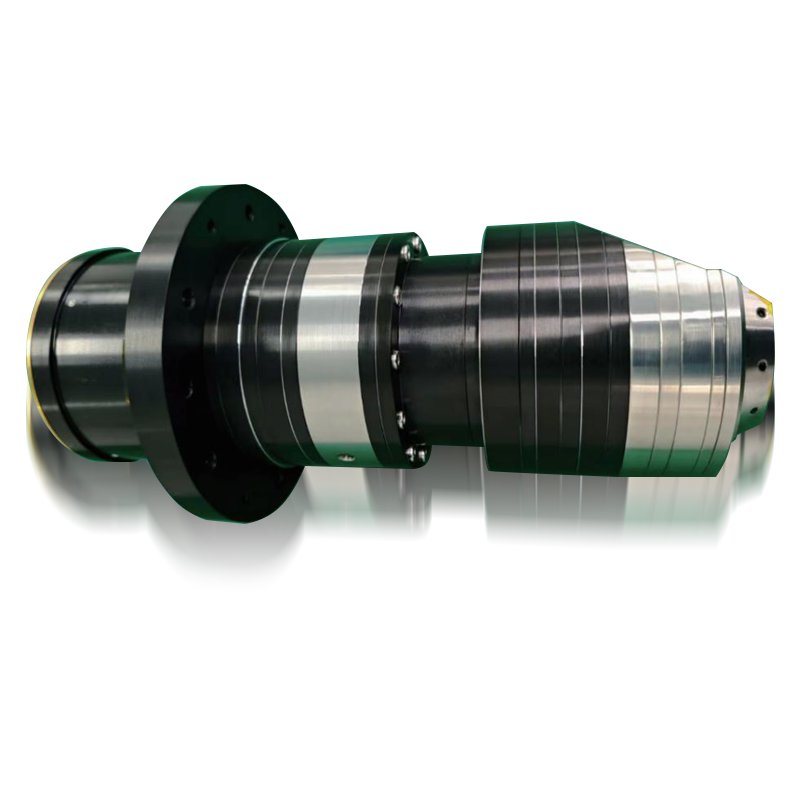
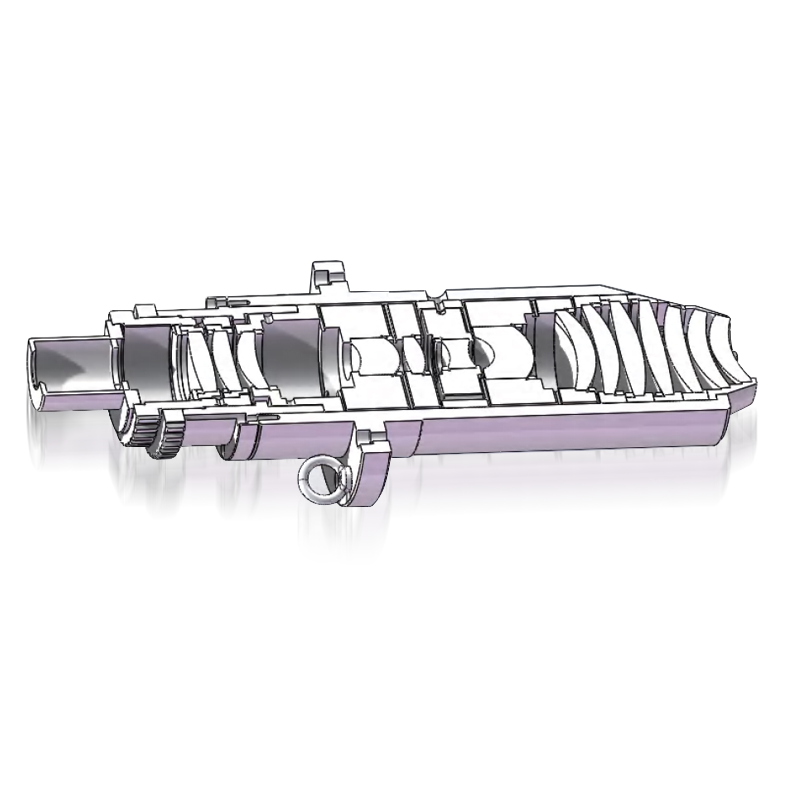
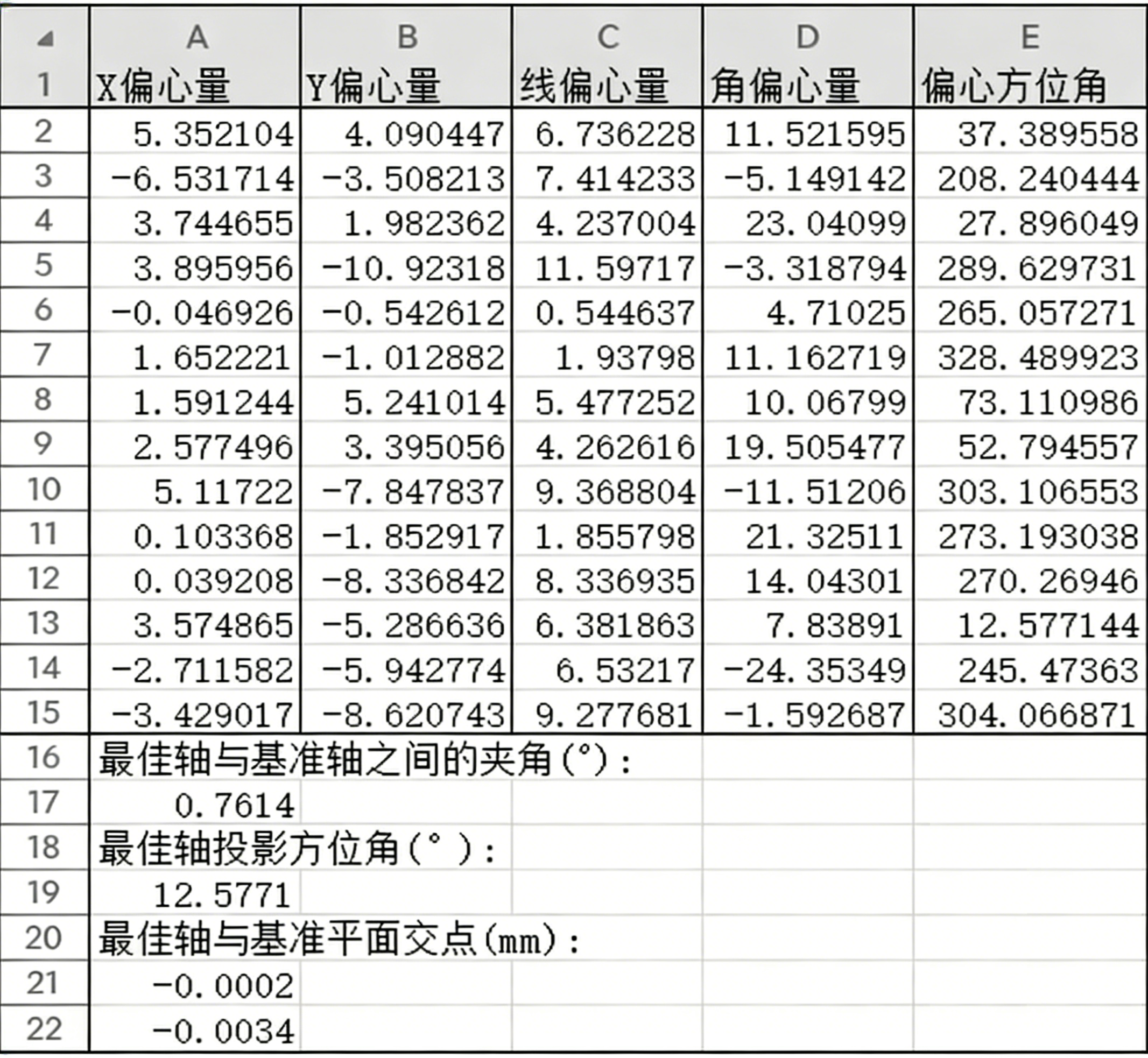
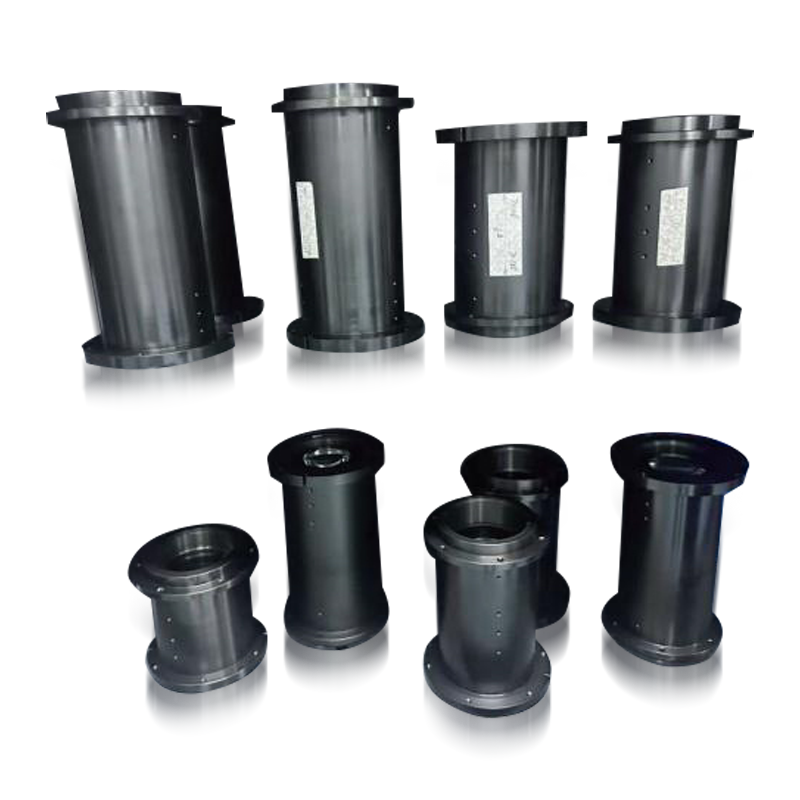
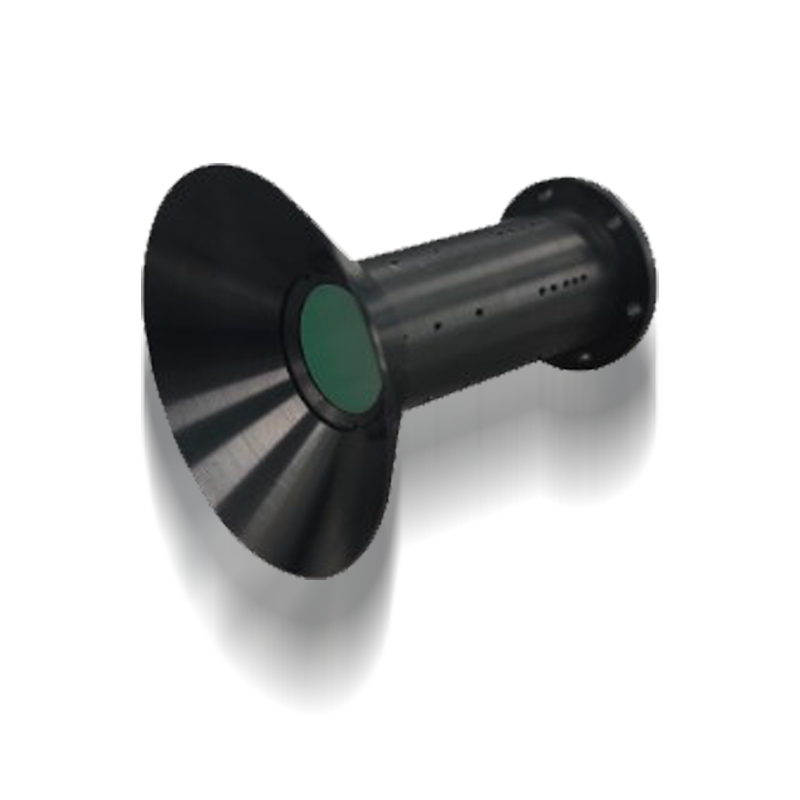
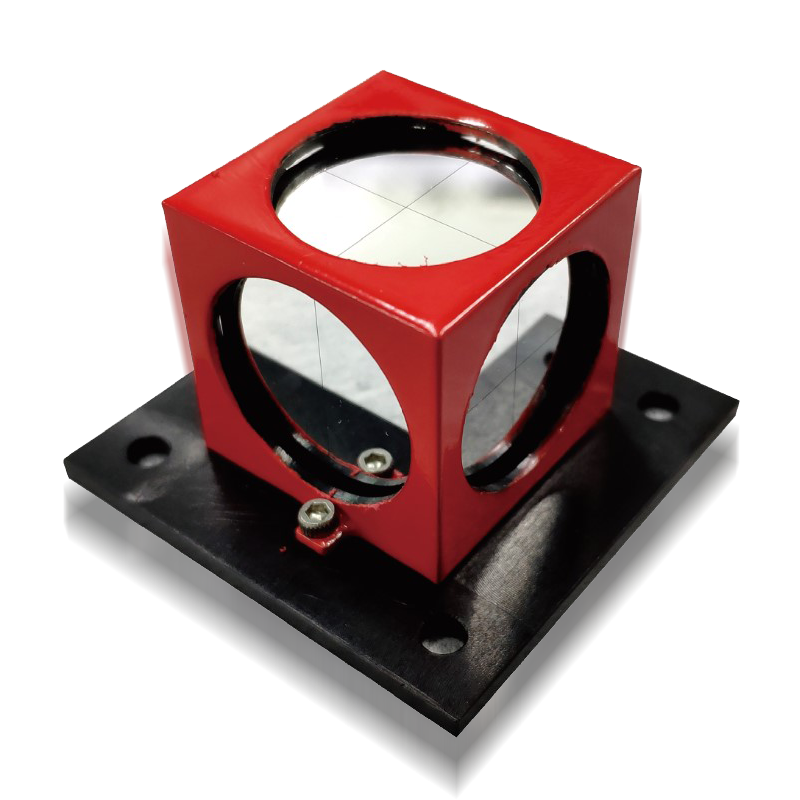
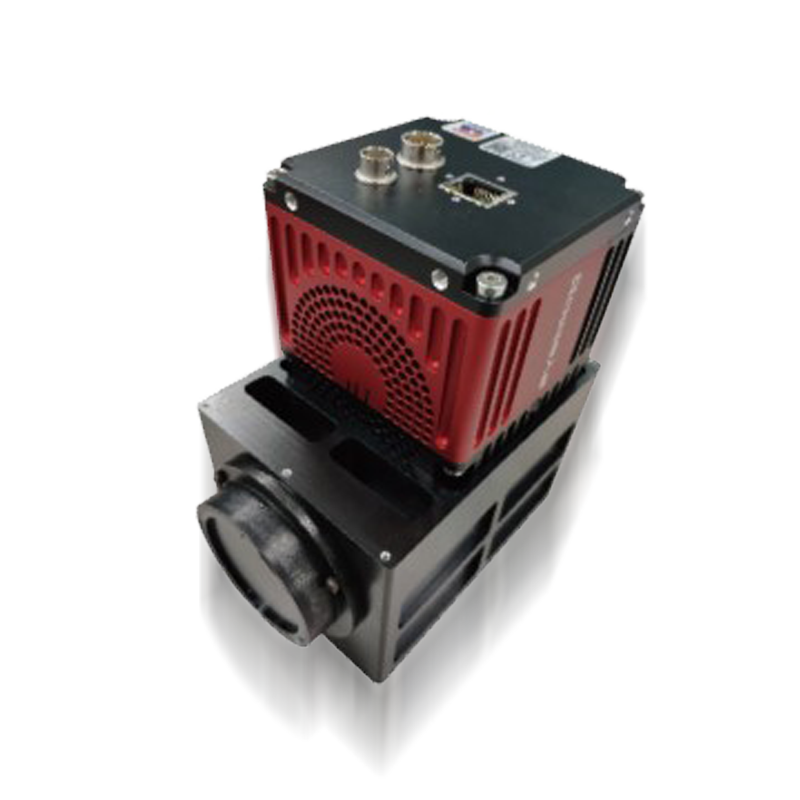
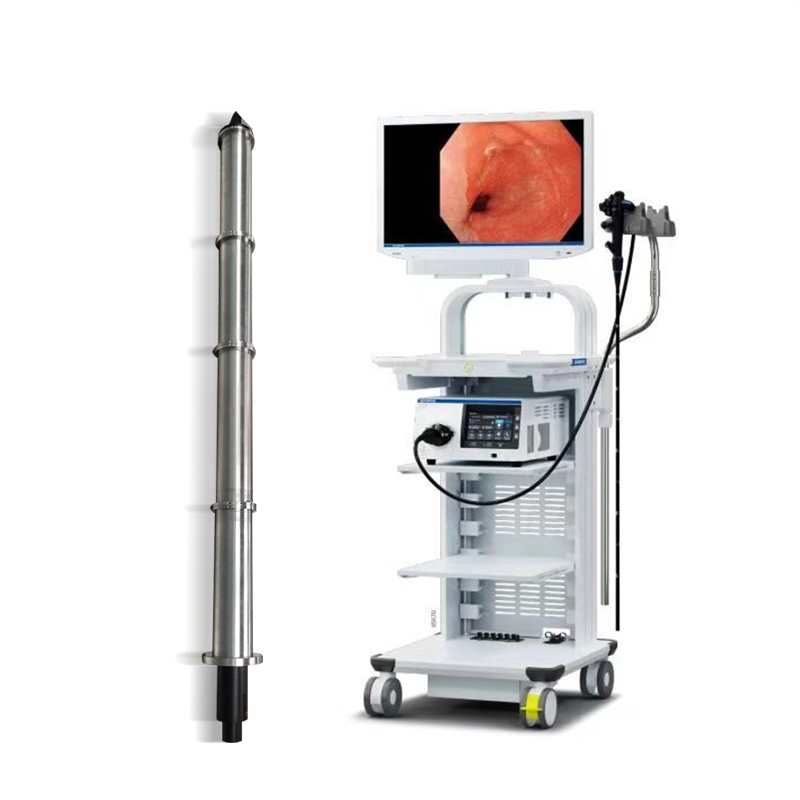
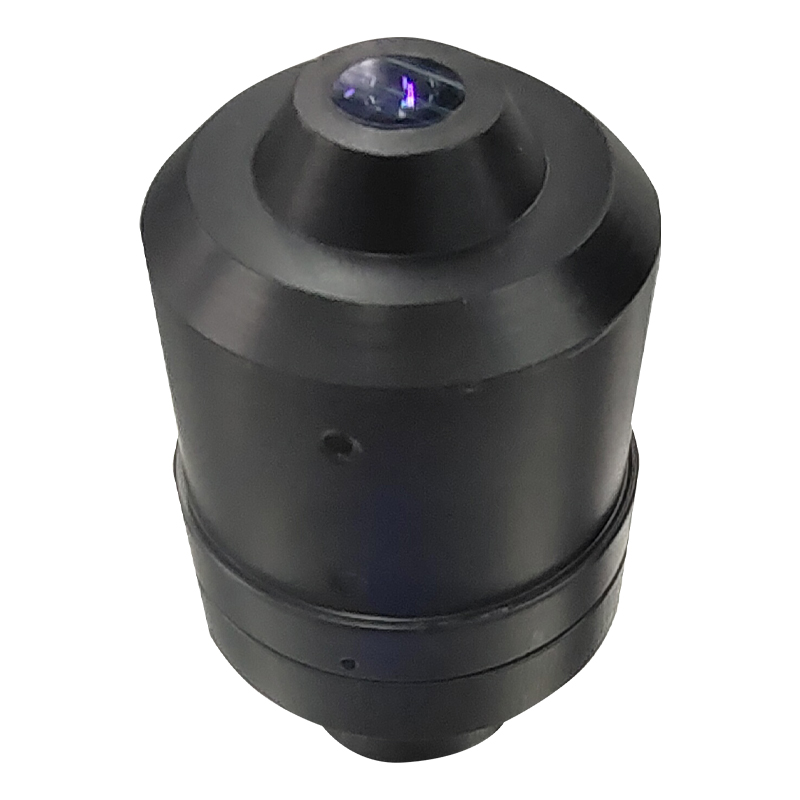
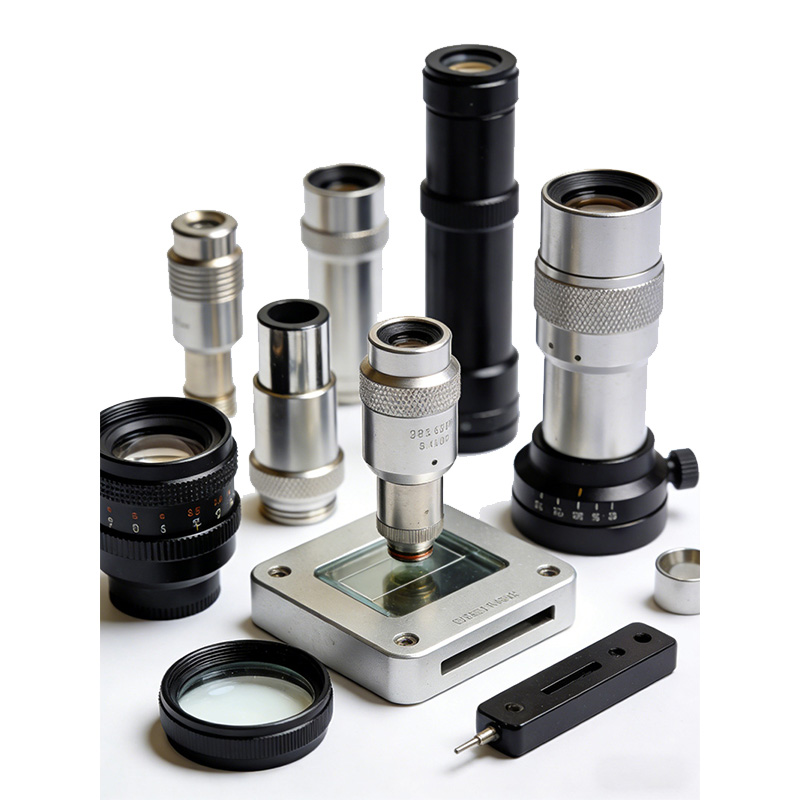
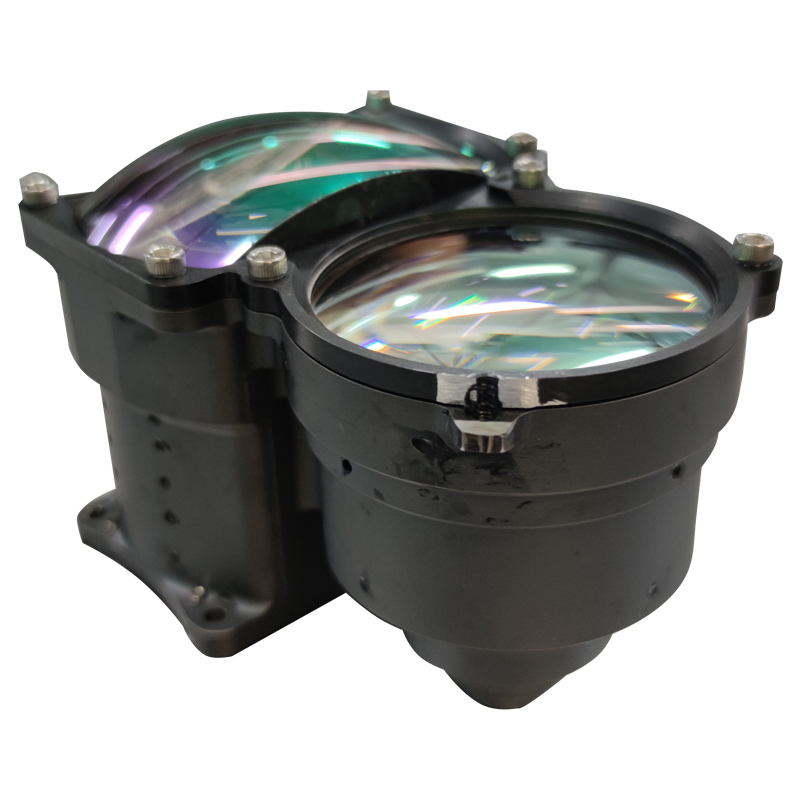
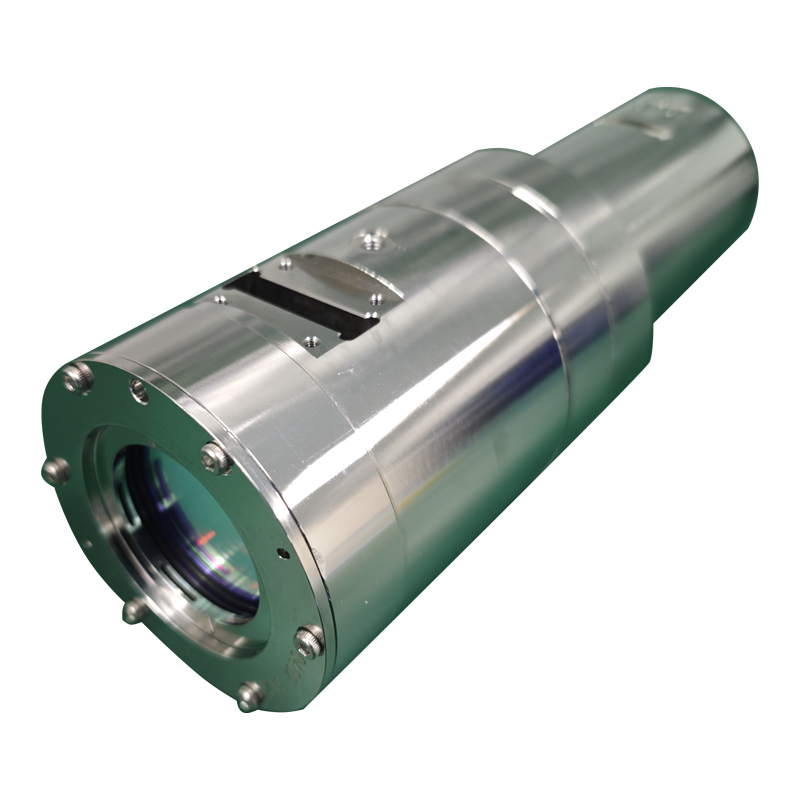
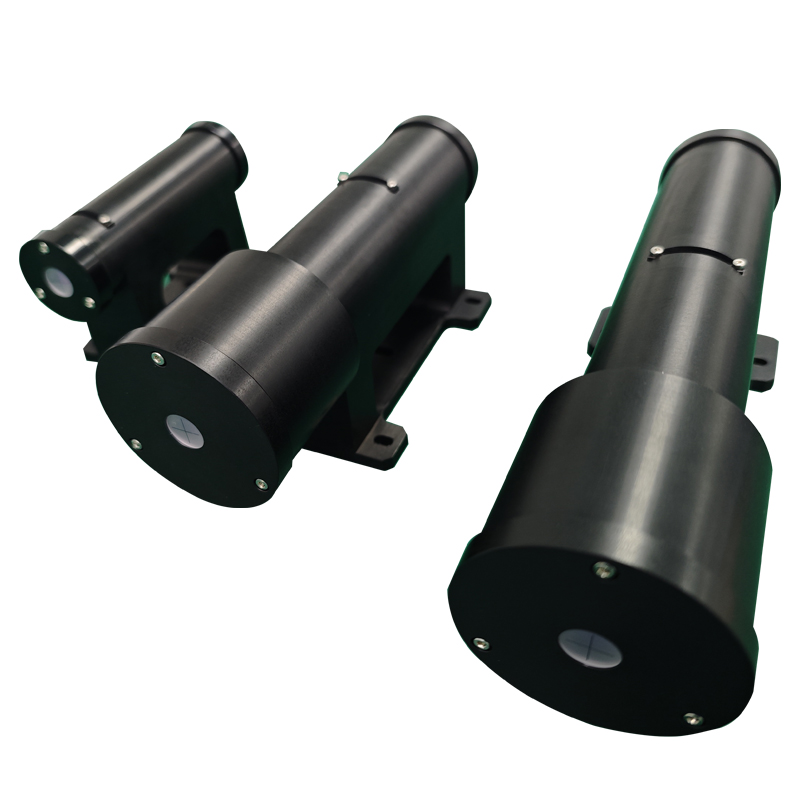
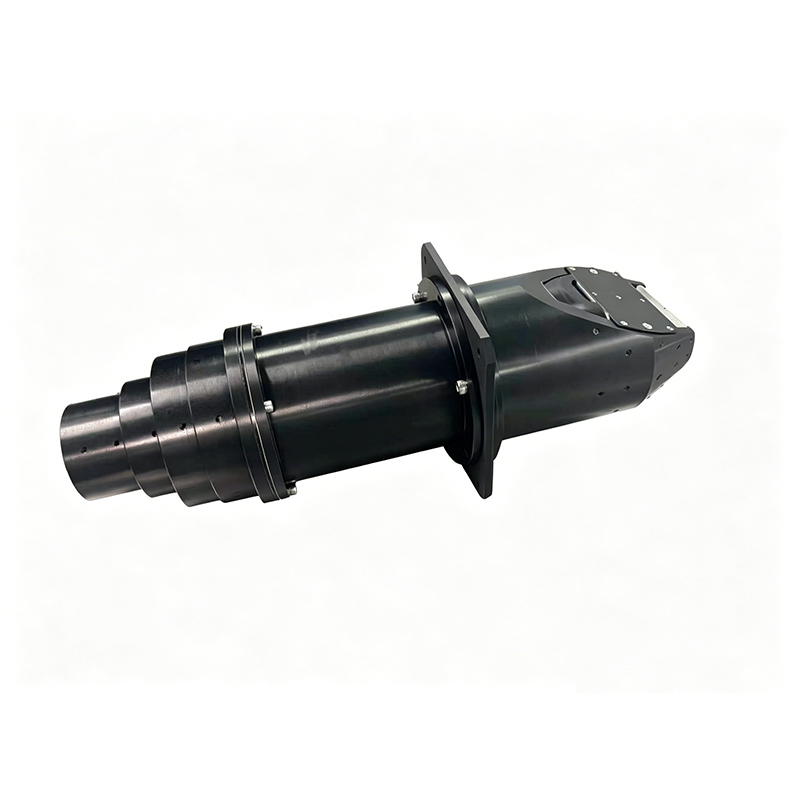
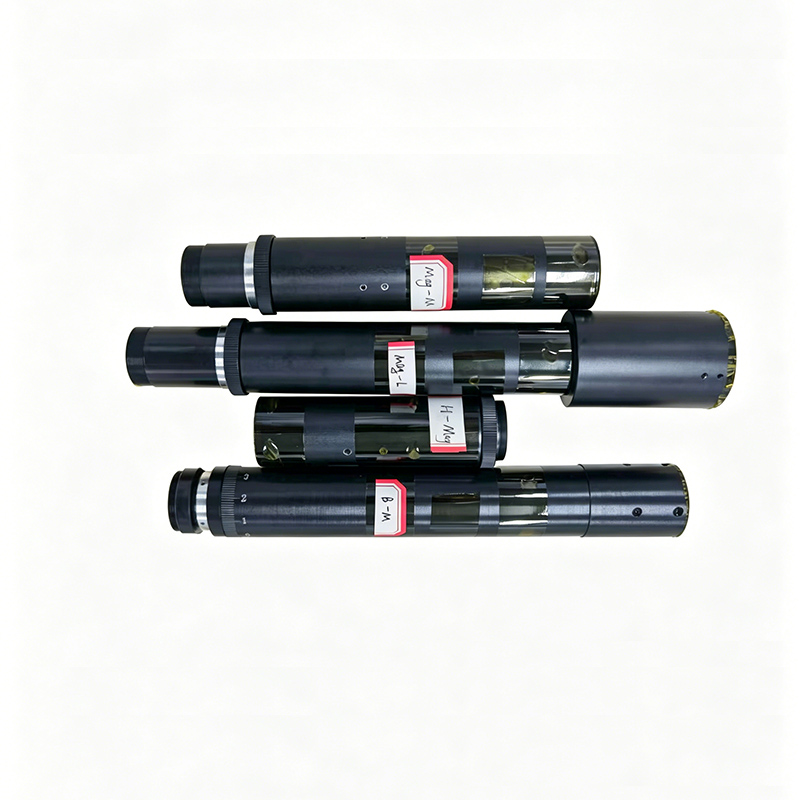
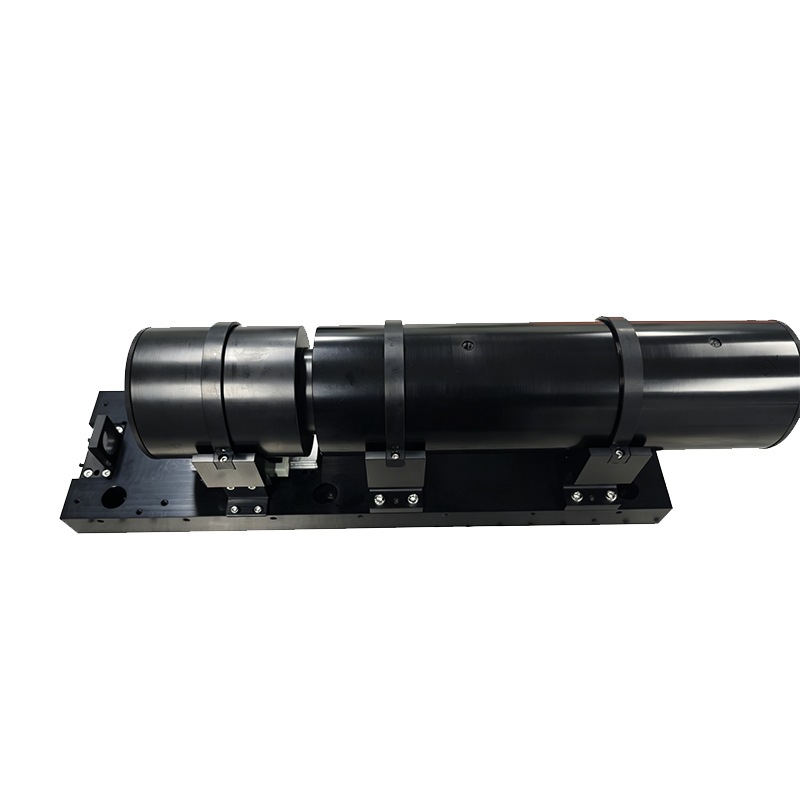
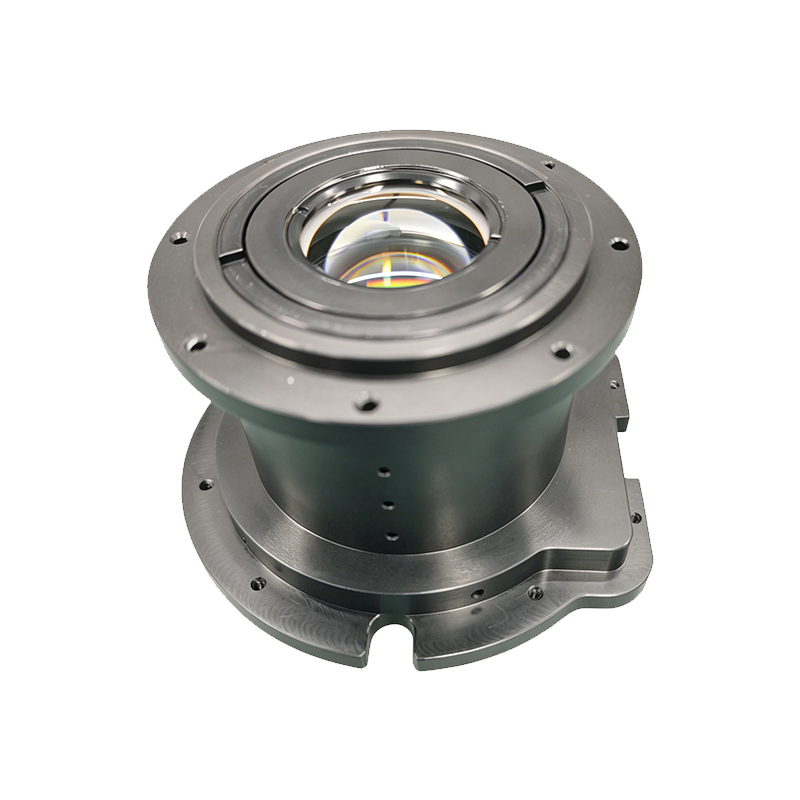
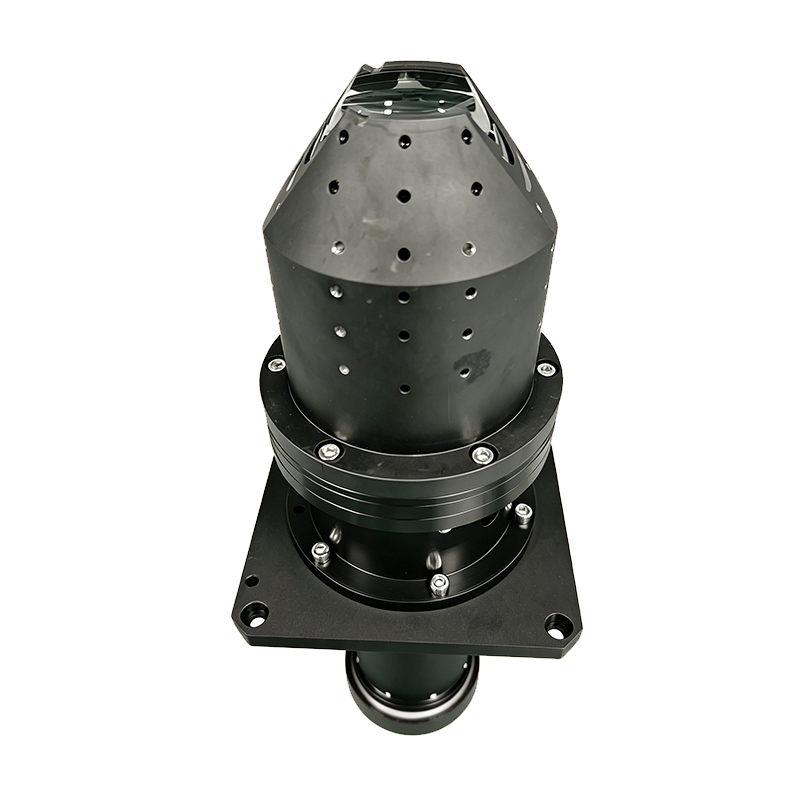
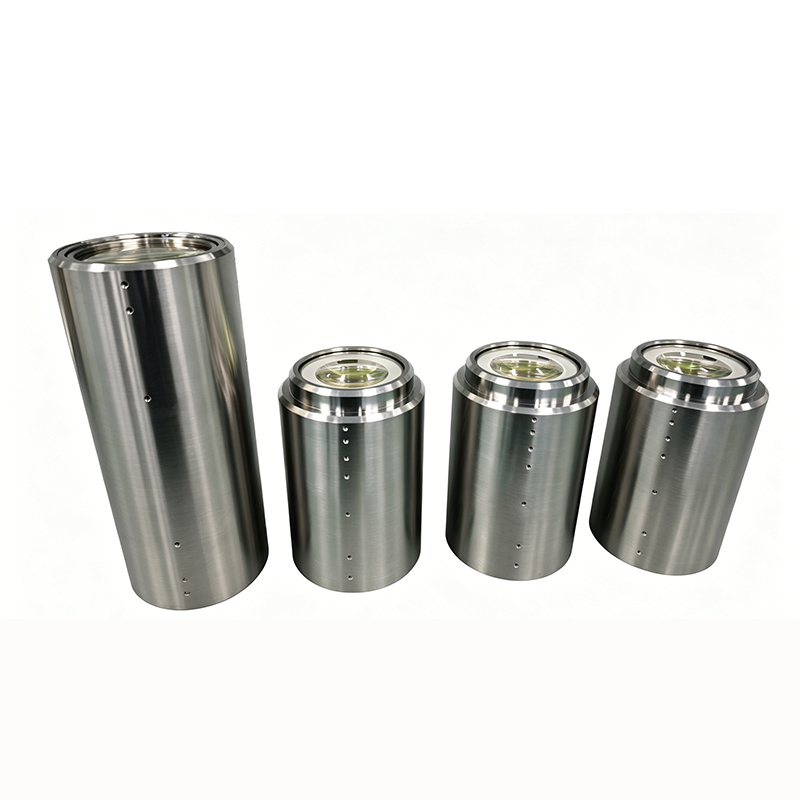
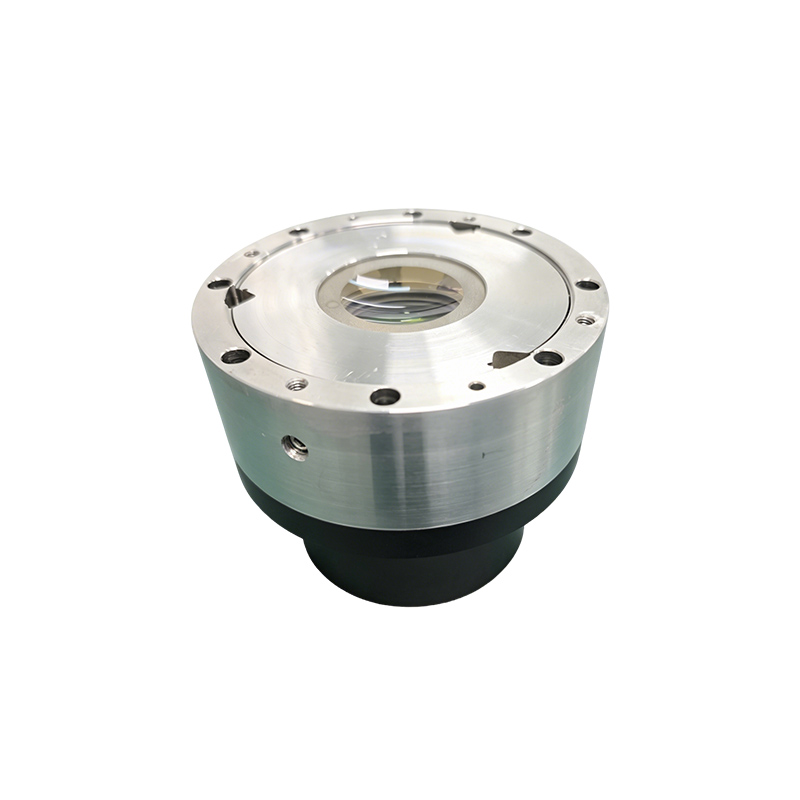
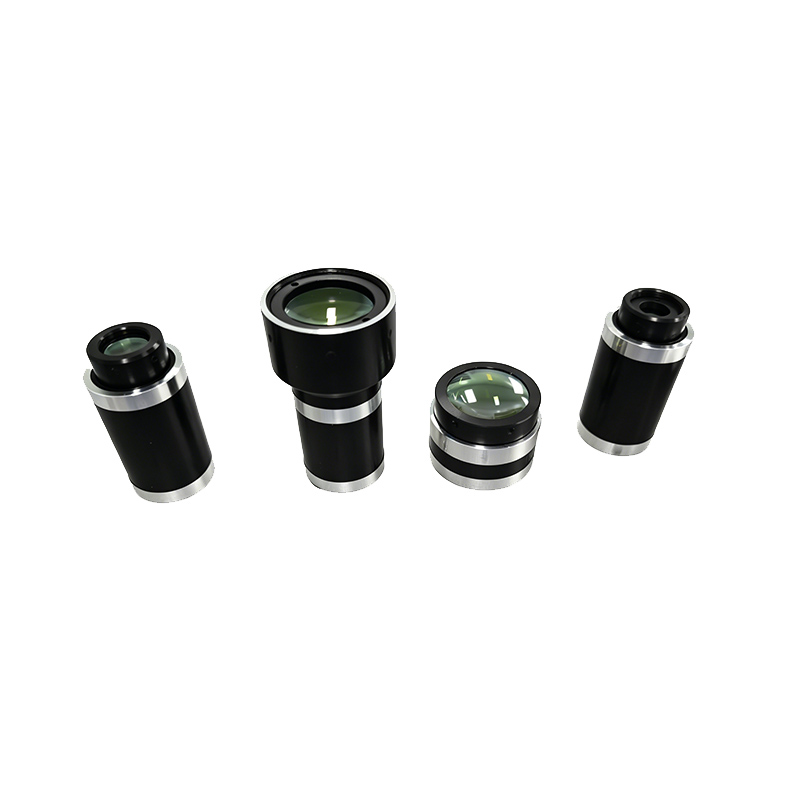
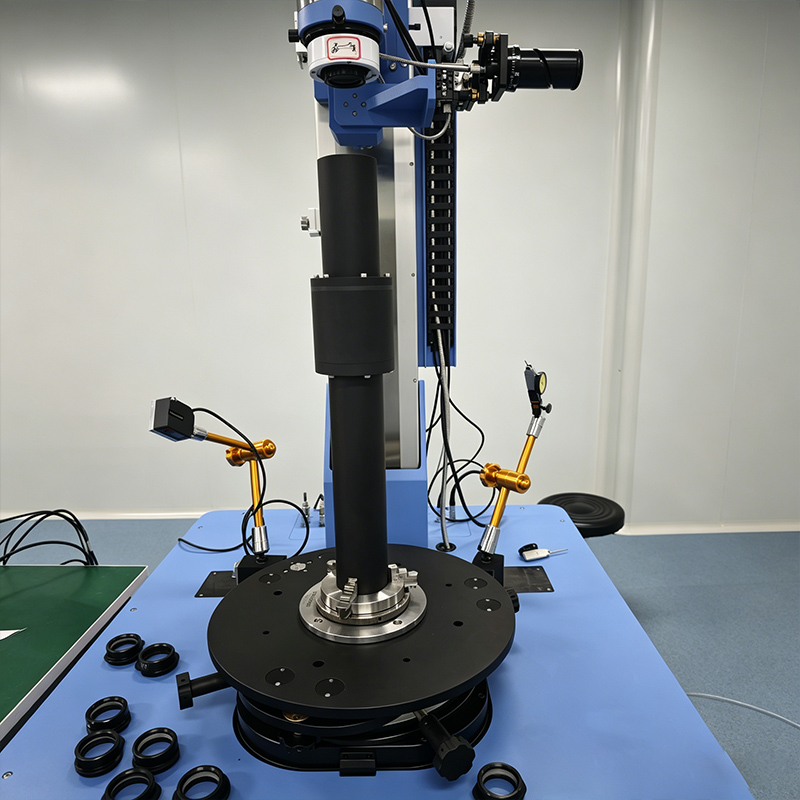
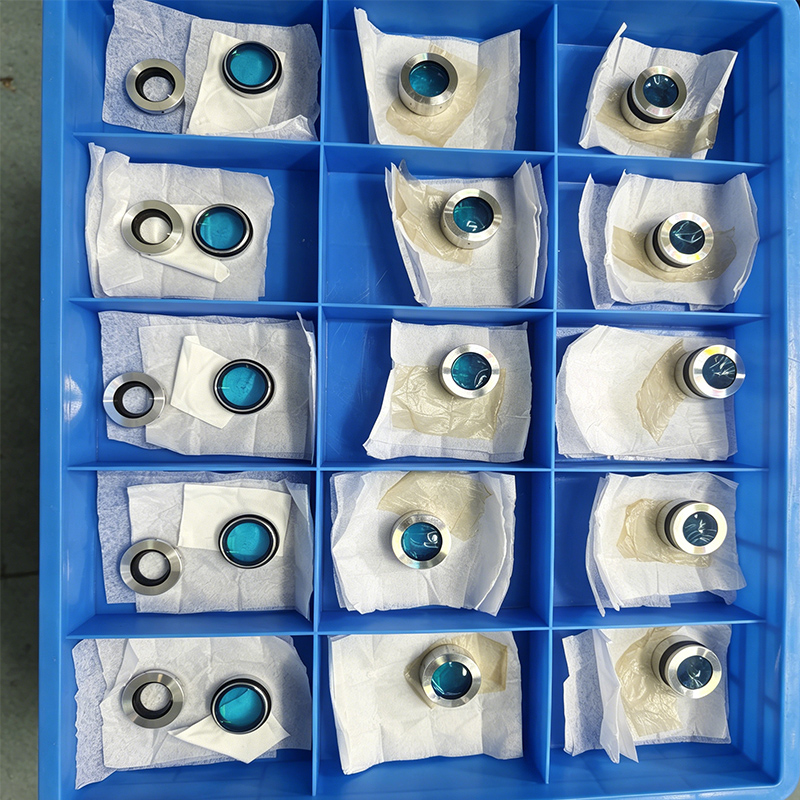
The 355nm UV objective lens is a precision optical objective designed specifically for the 355nm near‑ultraviolet band (the third harmonic of Nd:YAG laser). It is mainly used in precision UV laser processing, microscopic observation and UV imaging. With key characteristics including high transmittance, high resolution, low aberration and laser damage resistance, it serves as the core imaging and focusing component in ultraviolet optical systems.
I. Core Definition and Band Positioning
Operating wavelength: Centered at 355nm, compatible with multiple wavelengths including 266nm (deep UV) and 532nm (visible light), covering the near‑ultraviolet to visible light range.
Optical design: Mostly infinity‑corrected and plan apochromatic (Plan APO); some models are specialized for long working distance (LWD) and high resolution (HR).
Core applications: Focusing 355nm pulsed laser for micro‑processing, or performing microscopic observation and coaxial imaging inspection on UV‑sensitive samples.
II. Key Technical Features
Optical Design and Aberration Correction
Apochromatic correction: Accurately compensates chromatic aberration, spherical aberration and field curvature between 355nm UV and 532nm visible light, ensuring sharp edge imaging across the full field of view without blurring.
High numerical aperture (NA): NA typically ranges from 0.4 to 0.65, which directly determines the resolution (up to 0.4–0.7μm at 355nm) and focused spot size, suitable for precision micro‑processing.
Long working distance (WD): 5–15mm for standard versions, and over 65mm for extended‑range versions, adapting to thick samples, processing with protective glass or non‑contact observation.
Infinity conjugate: Compatible with microscope bodies and laser scanning systems, and can be flexibly matched with tube lenses, cameras, galvanometers and other components.
Material and Coating Performance
UV‑high‑transmission materials: Made of UV‑grade optical glass or fused silica, with transmittance ≥50% at 355nm, avoiding strong ultraviolet absorption of ordinary glass.
Laser‑resistant coating: Coated with broadband UV anti‑reflection (AR) coating, with a typical laser‑induced damage threshold of 0.05J/cm² at 355nm (10ns pulse), suitable for high‑power pulsed lasers.
Non‑cemented structure: High‑end models use air‑spaced non‑cemented lenses to improve laser durability and reduce aging and damage risks of cemented layers.
Resolution and Imaging Performance
Theoretical resolution: At 355nm, the resolution reaches approximately 0.42μm when NA=0.65, meeting the requirements of semiconductor processing, micro‑nano fabrication and biological UV fluorescence observation.
Coaxial observation compatibility: Corrected for both ultraviolet and visible light, enabling laser processing with real‑time coaxial imaging and in‑process inspection to improve manufacturing accuracy.
Large sensor compatibility: Supports C‑mount and M4/3‑mount interfaces, adapting to 1/2‑inch to 1.2‑inch high‑resolution CMOS/CCD cameras (pixel size ≤3μm).