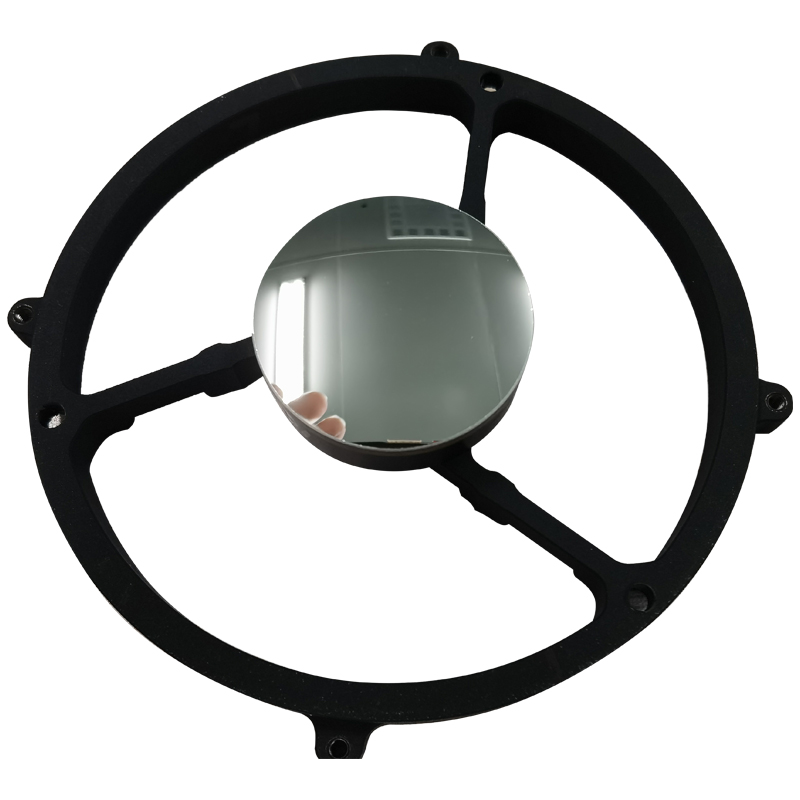
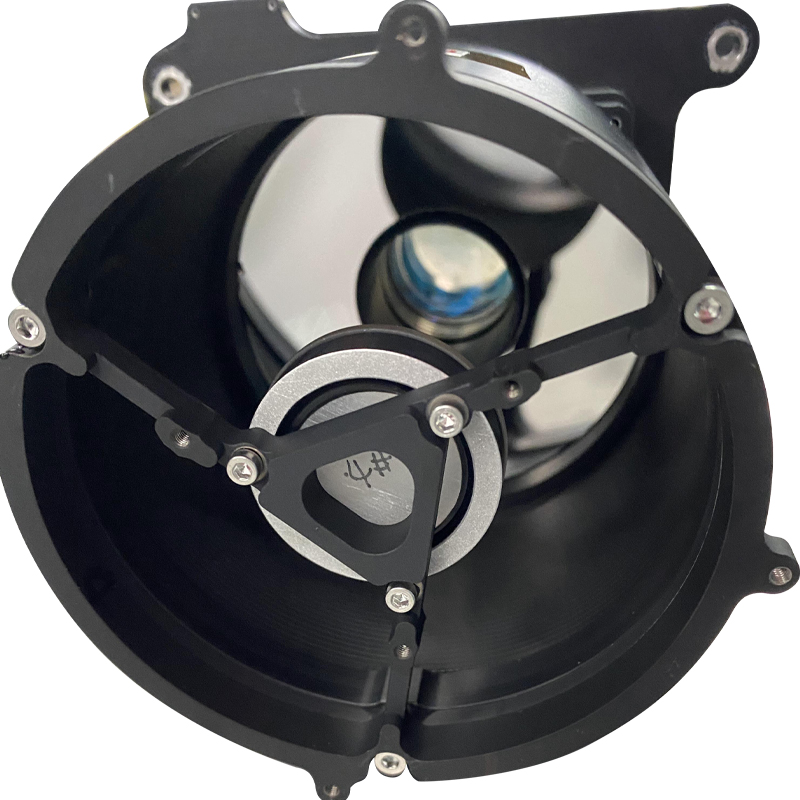
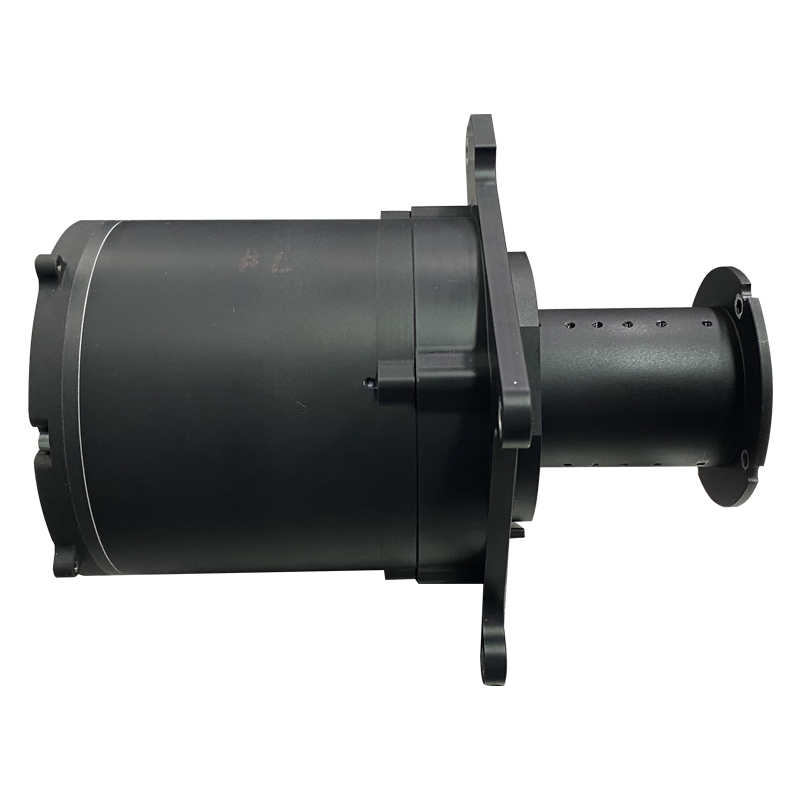
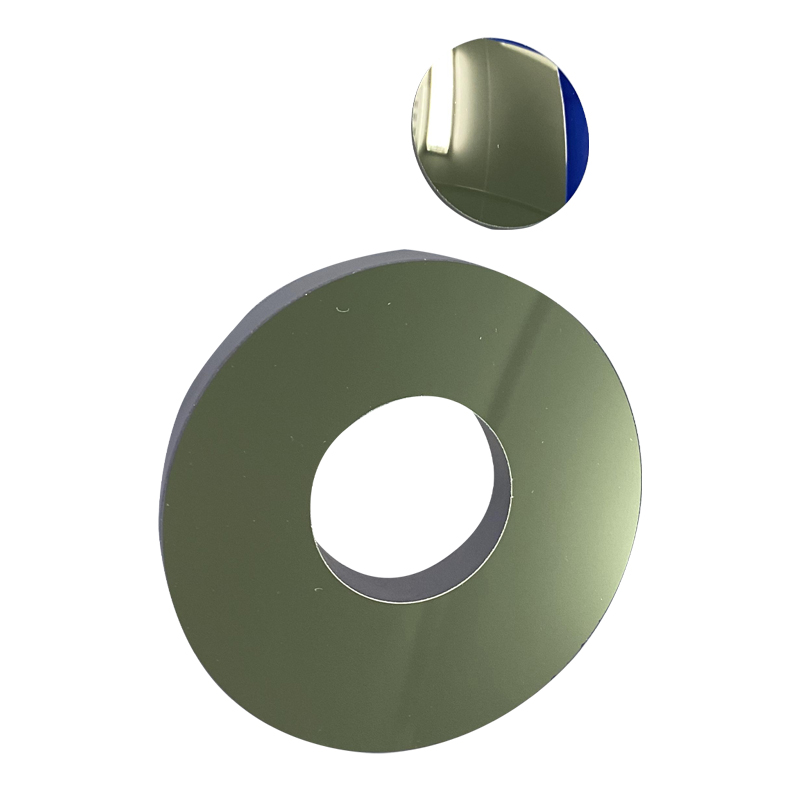
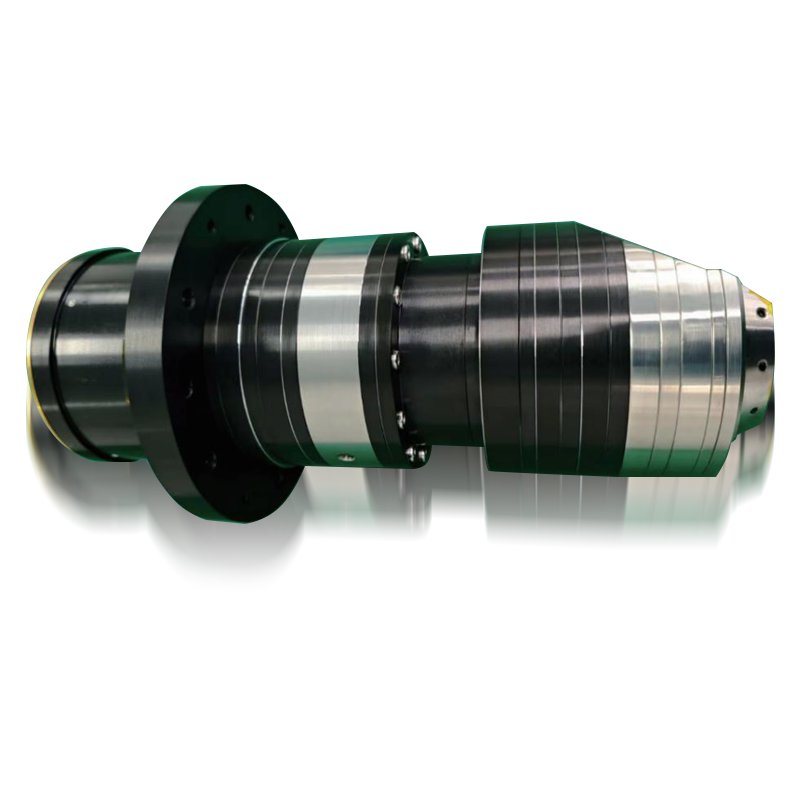
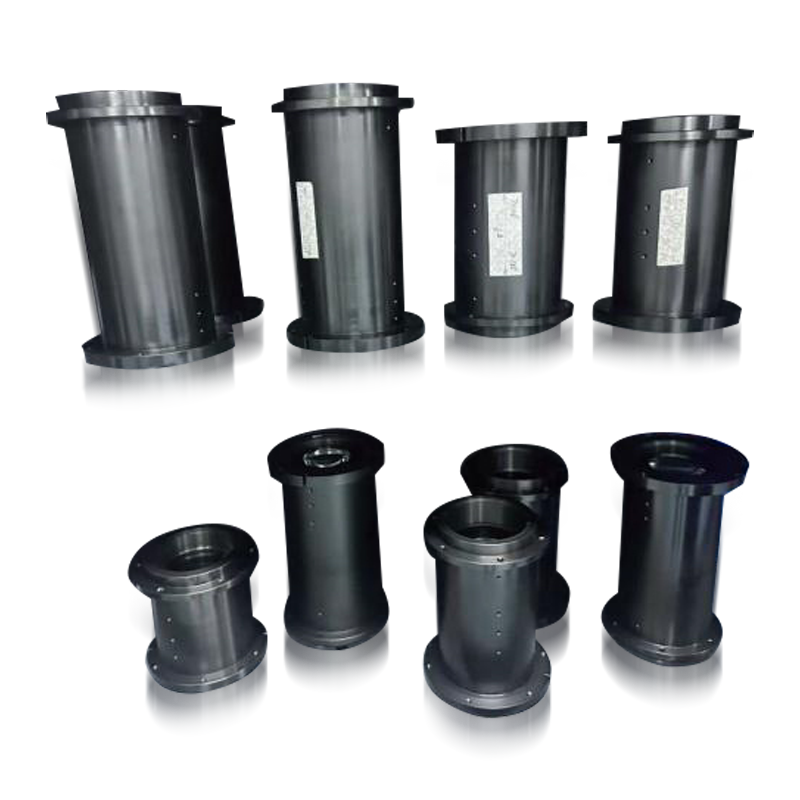
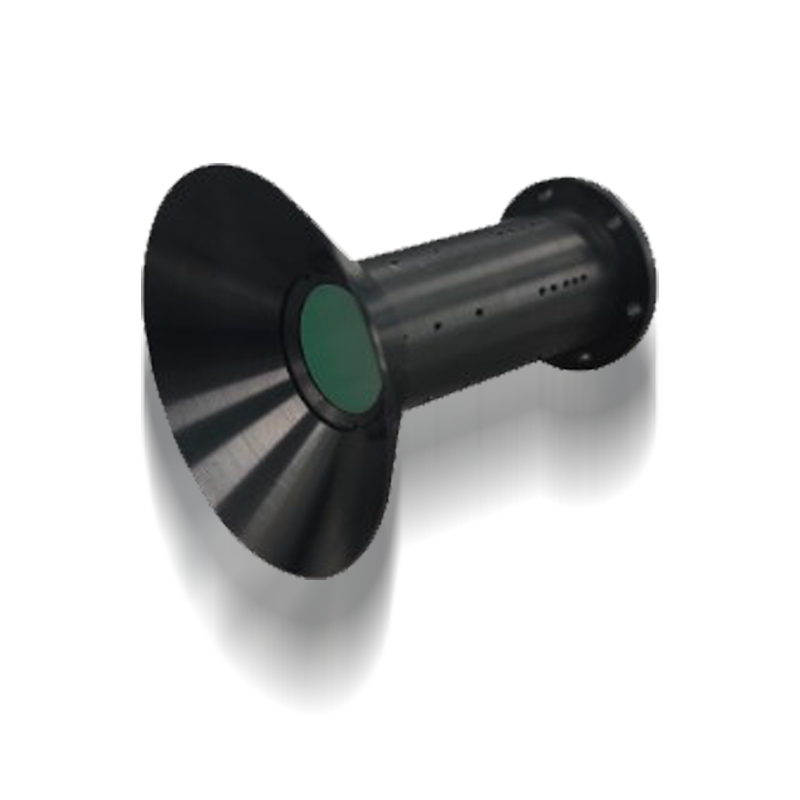
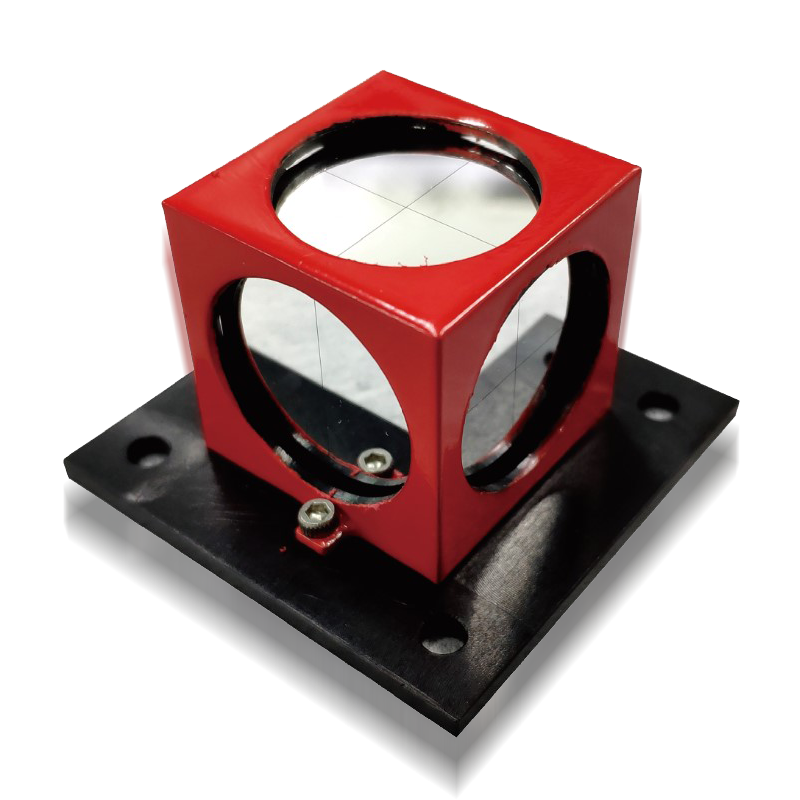
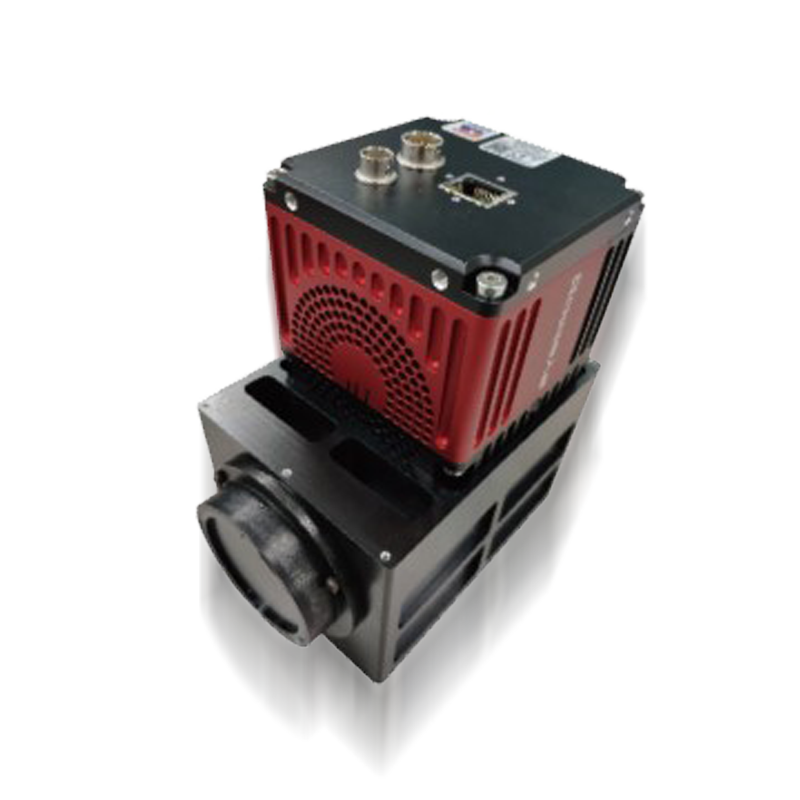
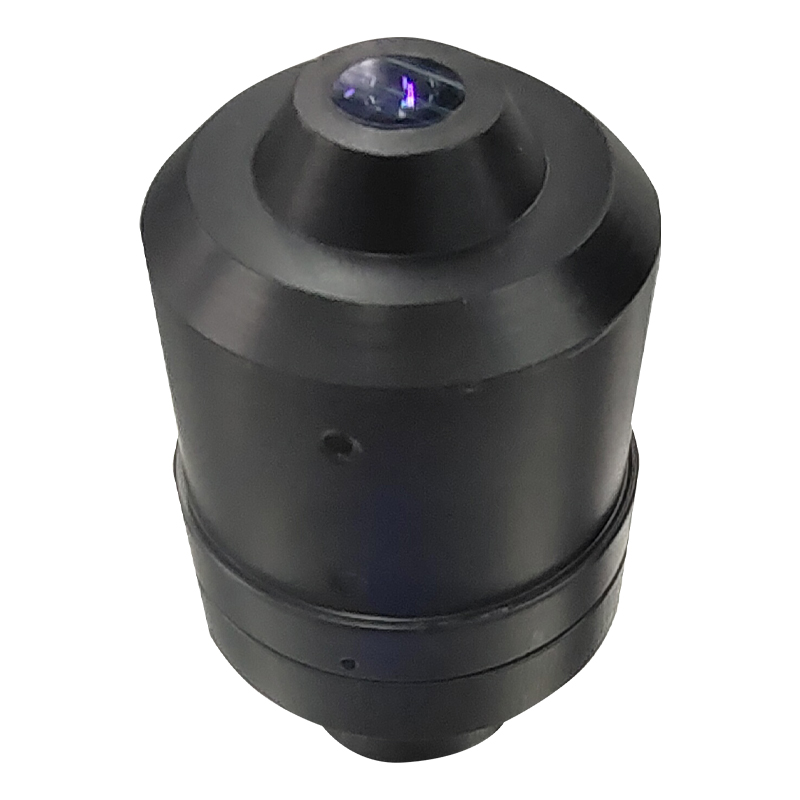
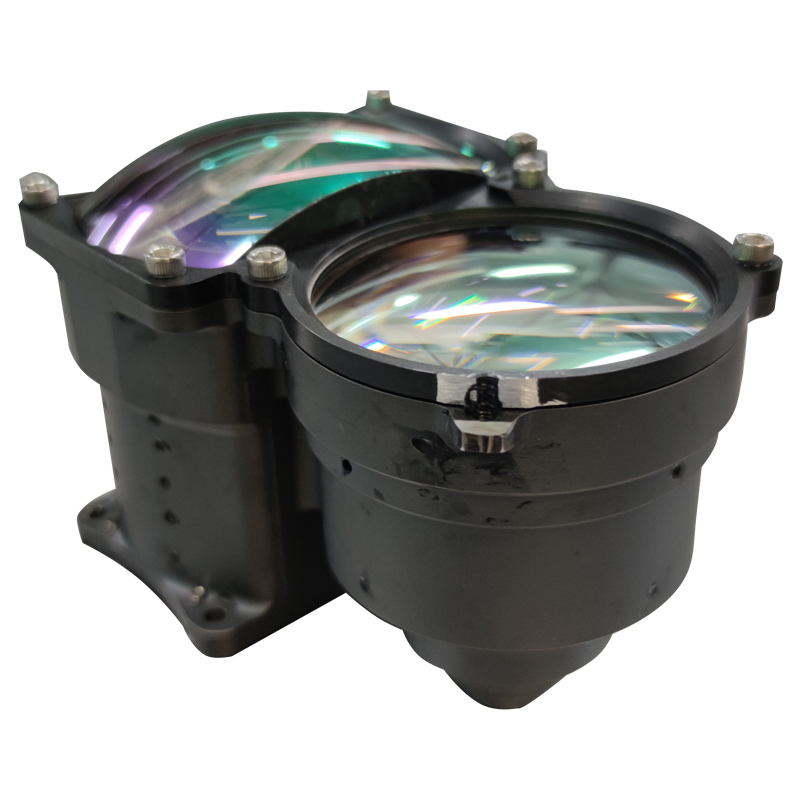
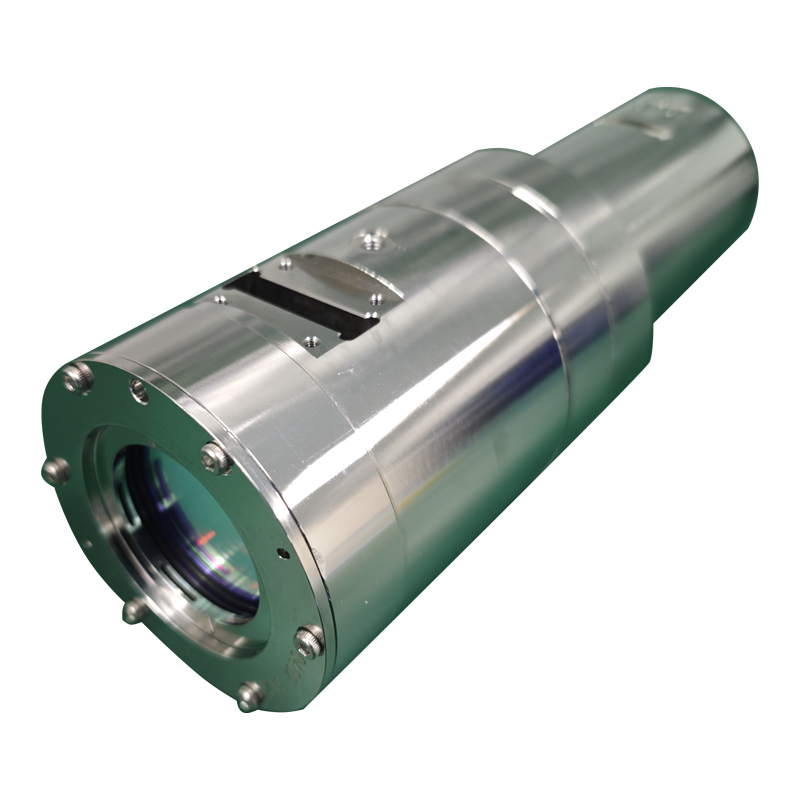
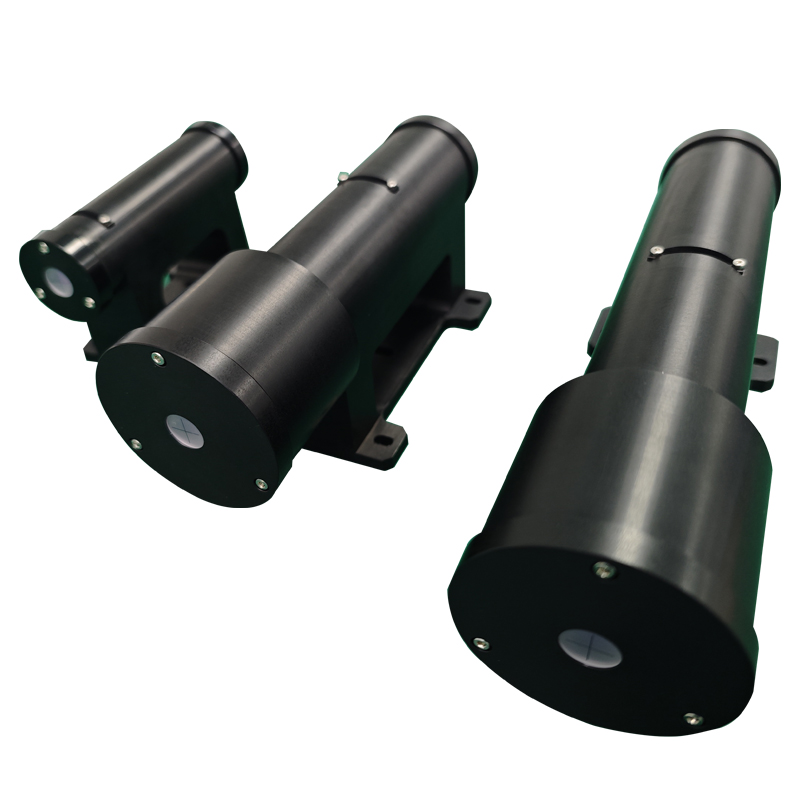
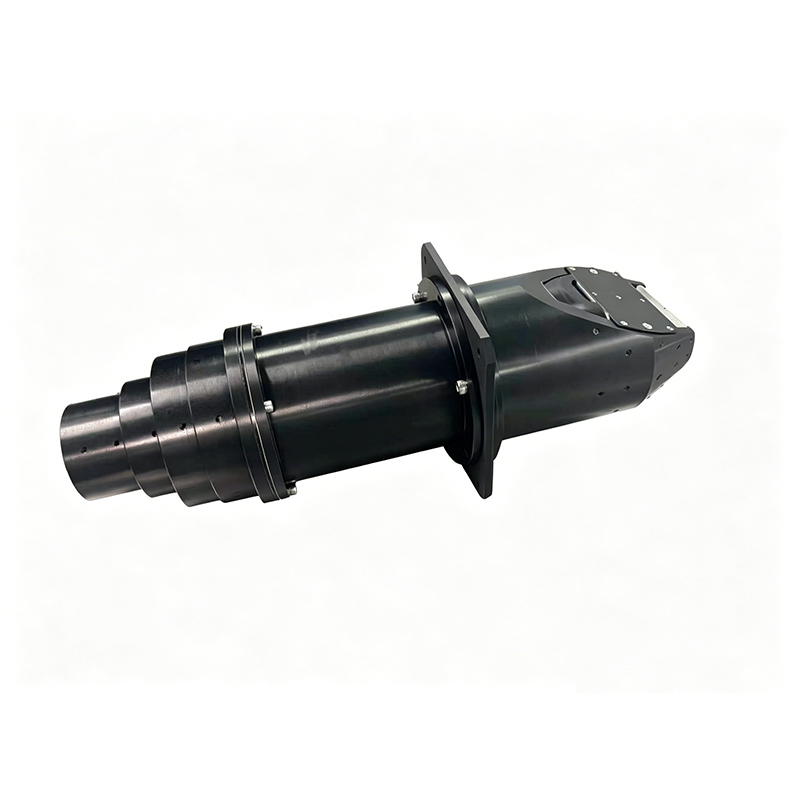
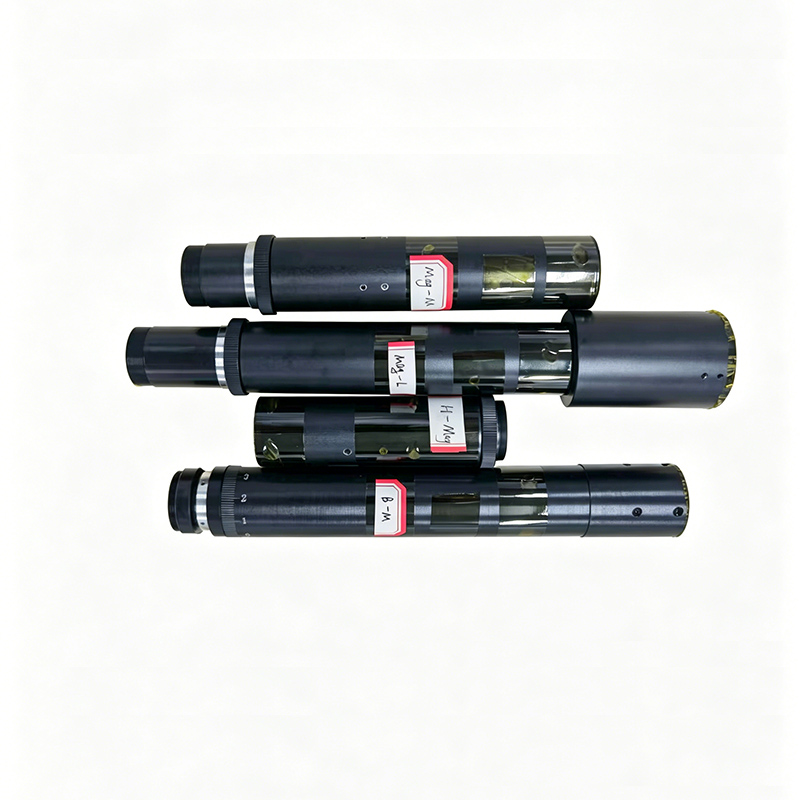
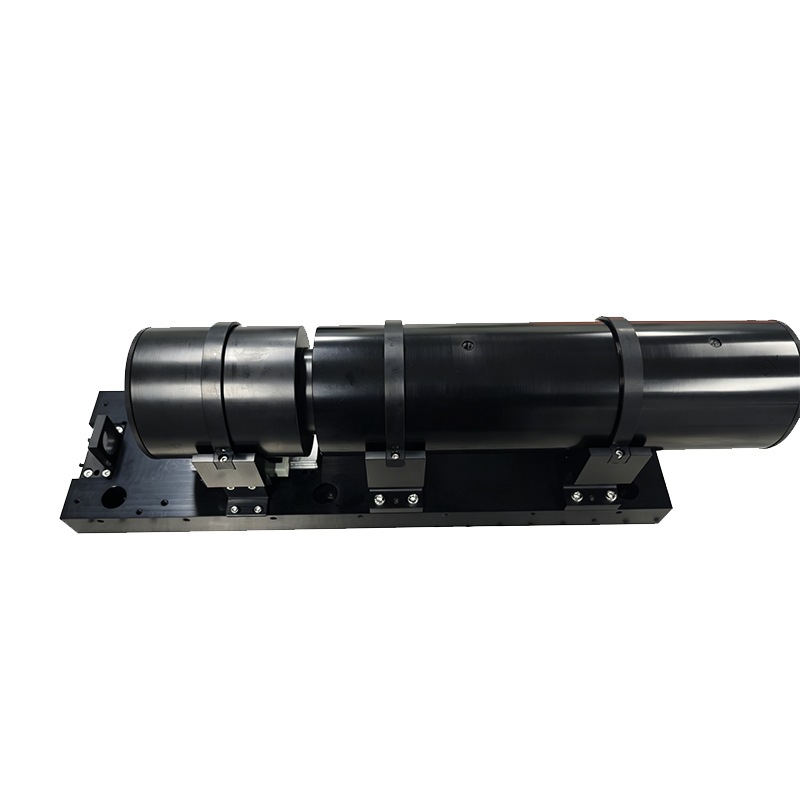
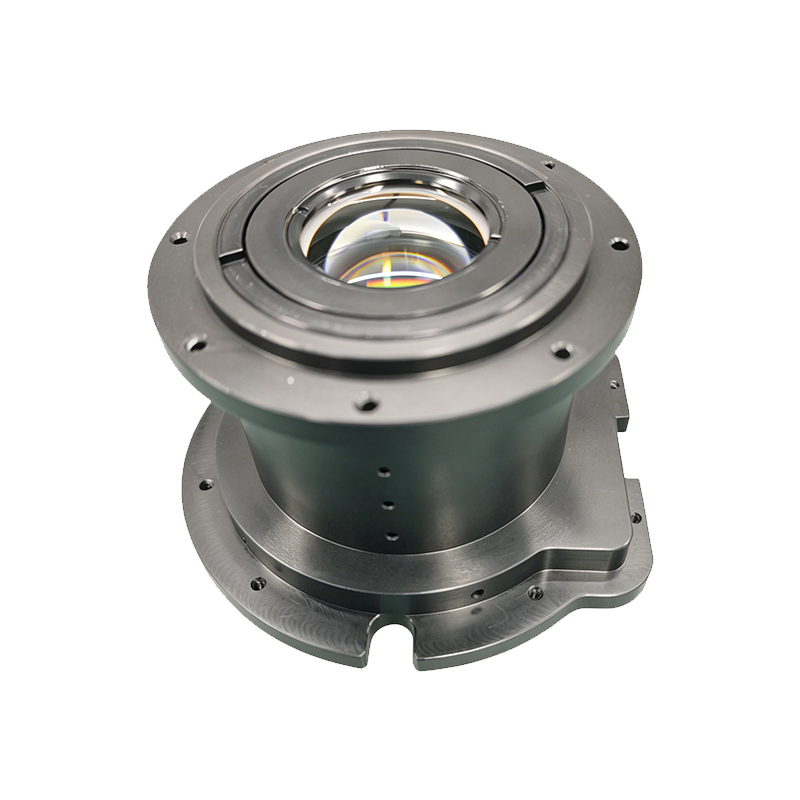
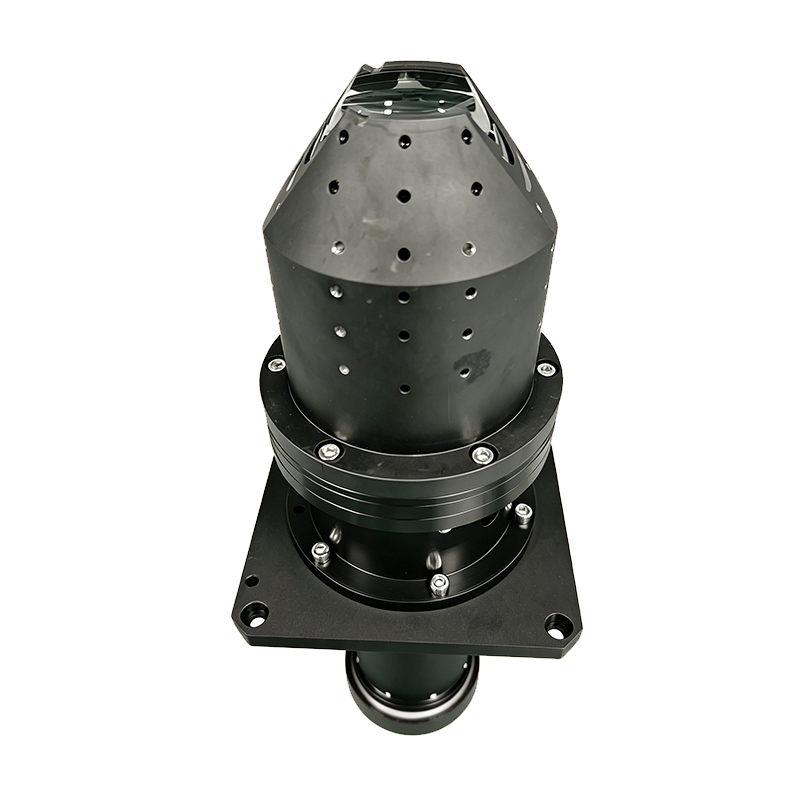
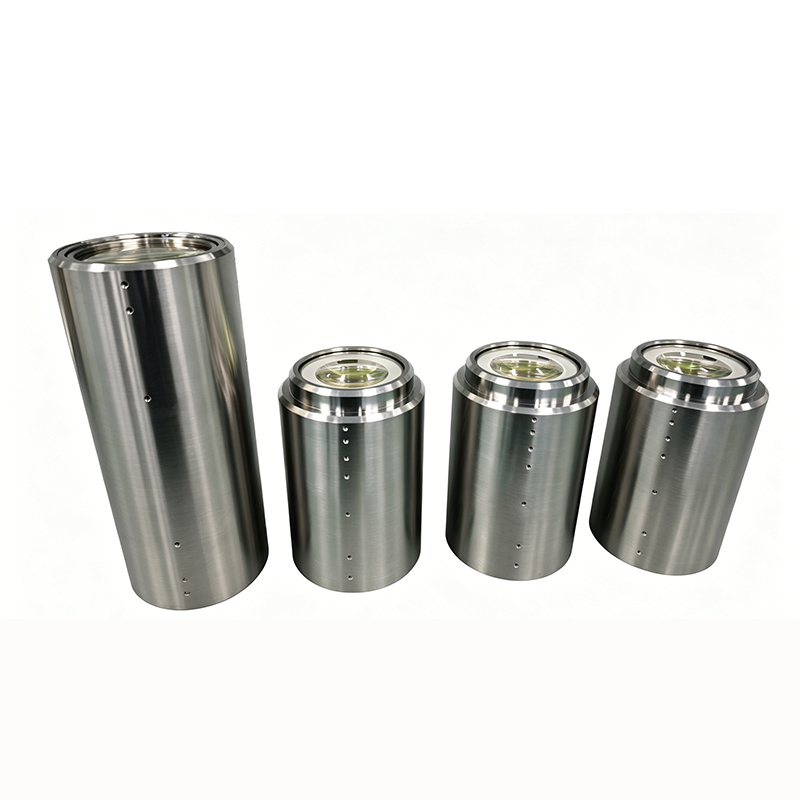
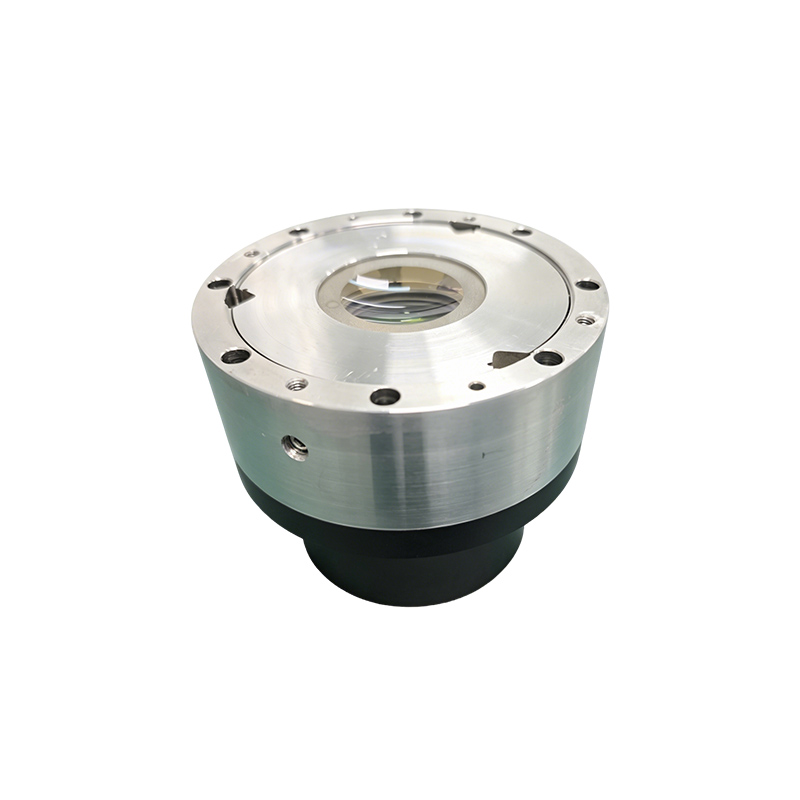
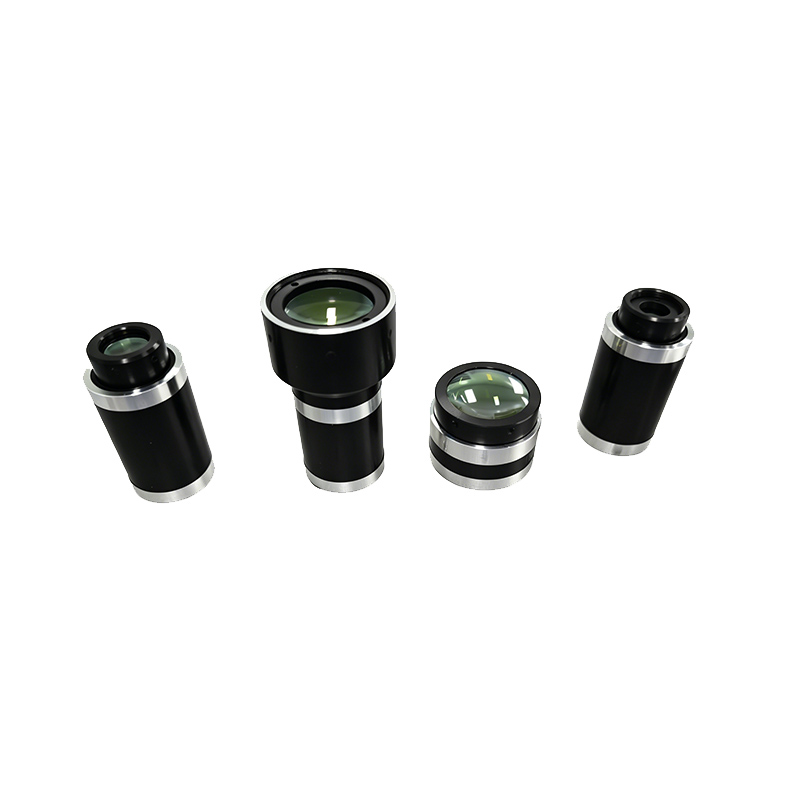
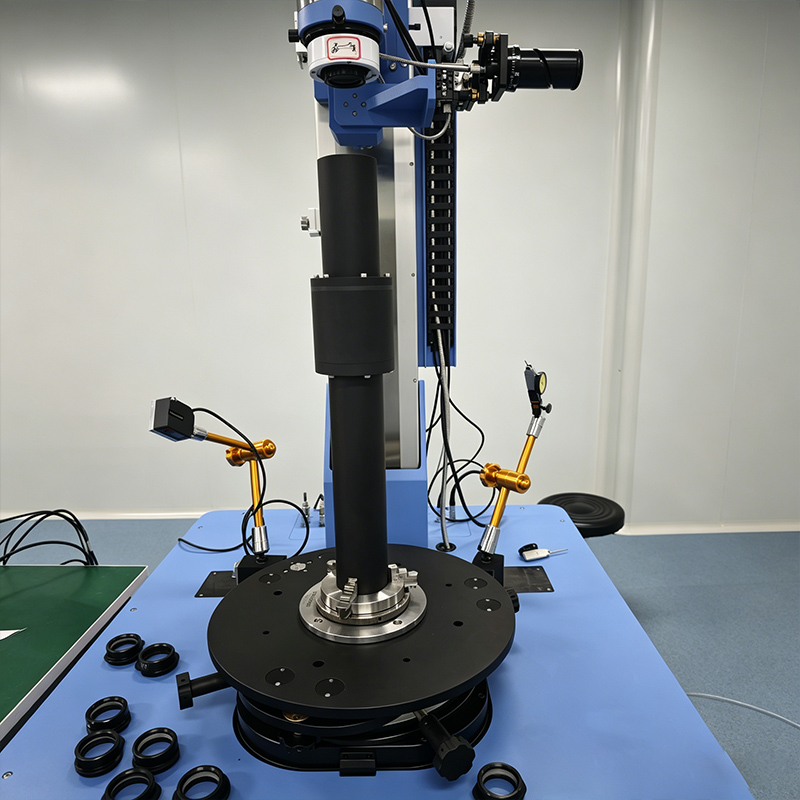
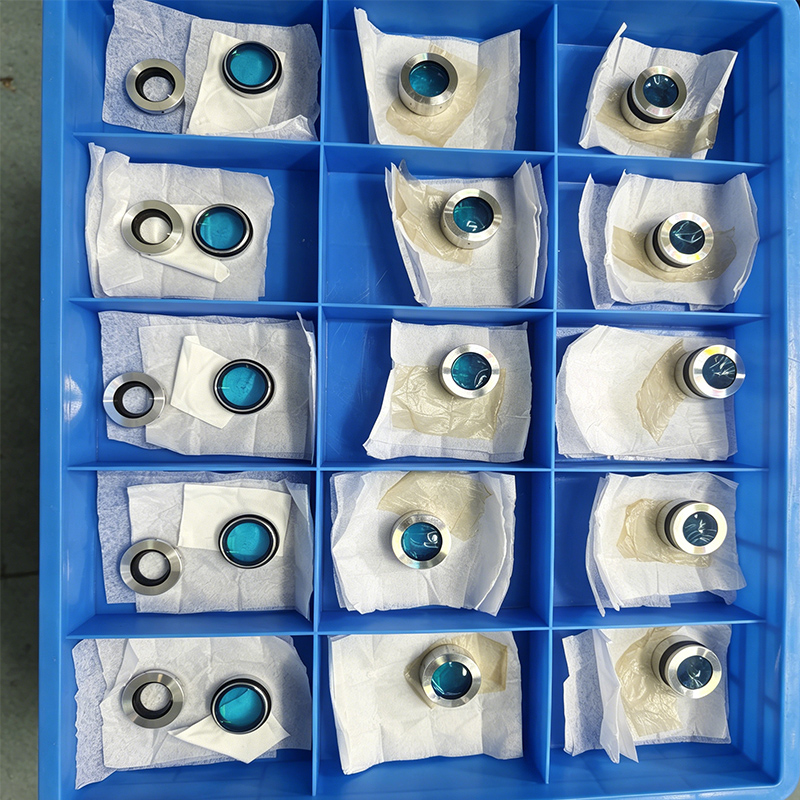
This two-mirror optical system is designed with a reflective afocal structure. It forms a coaxial optical assembly composed of a primary mirror and a secondary mirror, featuring high image quality, high stability and low distortion. The system is compact in structure and has strong stray light suppression capability, making it suitable for applications such as laser collimation, beam shaping and long-distance transmission. The integrated mechanical structure incorporates mounting interfaces and adjustment mechanisms, enabling high-precision alignment and long-term stable operation to meet the requirements of scientific research, industrial inspection and optoelectronic system integration.
Two-mirror system, namely dual-mirror optical system, consists of a primary mirror and a secondary mirror as the core imaging/collimating structure. It is a classic solution for high-resolution, achromatic, large-aperture optical systems, widely used in astronomical telescopes, lidars, deep-space exploration, precision measurement and industrial optical lenses.
I. Basic Structure and Principle
Primary mirror: usually parabolic, hyperbolic or ellipsoidal, responsible for collecting light and reflecting it to the secondary mirror.
Secondary mirror: located in front of the primary mirror, reflects light again to fold the optical path and shorten the total length of the system.
Core advantages:
Completely achromatic (reflection is wavelength-independent), suitable for wide-spectrum and multi-band applications.
Folded optical path, system length much shorter than focal length, compact structure.
Large aperture and lightweight, favorable for high light-gathering capacity and high resolution.
II. Classic Types of Two-Mirror Systems
Newtonian system
Parabolic primary mirror + flat secondary mirror
Simple structure, low aberration, mostly used in astronomical observation.
Cassegrain system (most commonly used)
Parabolic primary mirror + hyperbolic secondary mirror
Long focal length, short barrel, high imaging quality, mainstream structure for telescopes, remote sensing and spotting scopes.
Ritchey-Chrétien system (R-C)
Hyperbolic primary mirror + hyperbolic secondary mirror