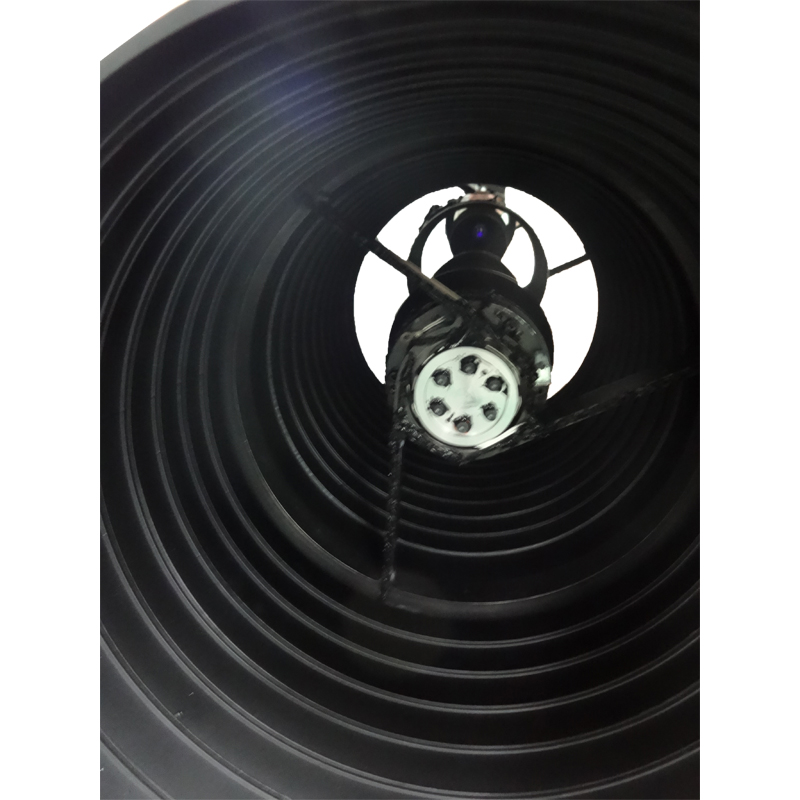
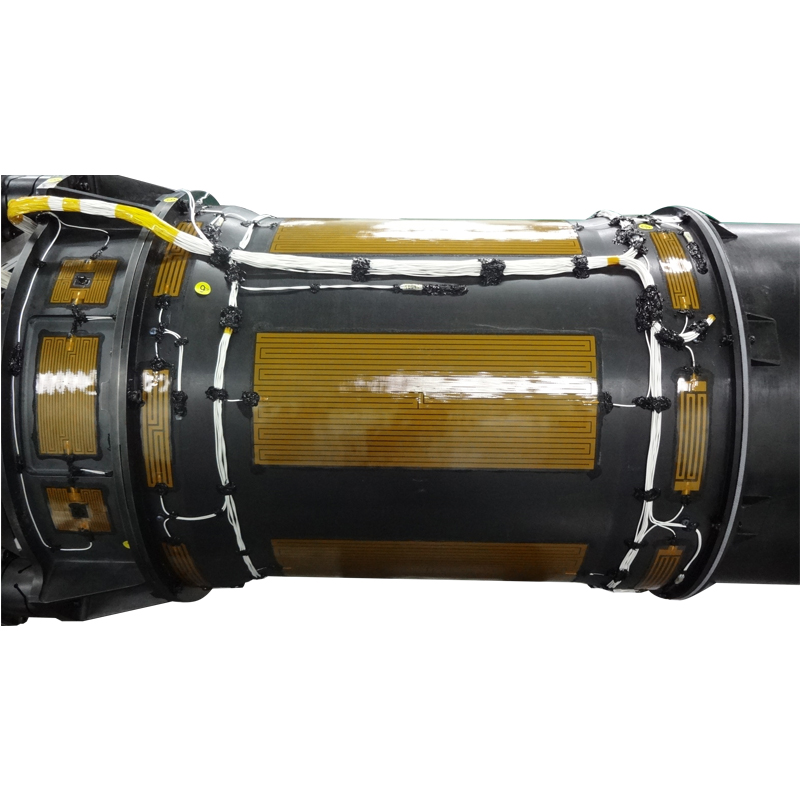
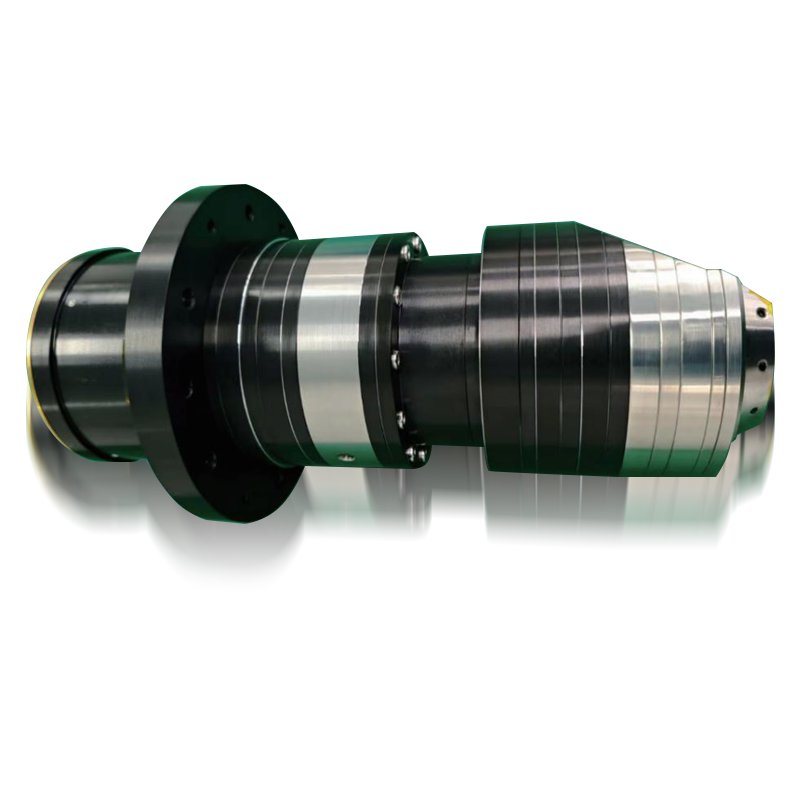
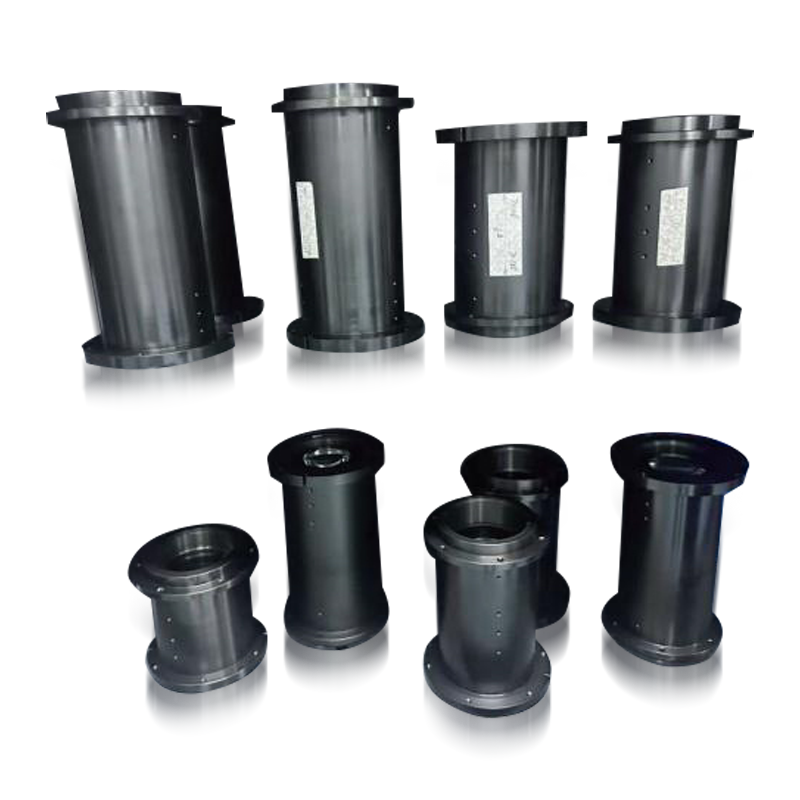
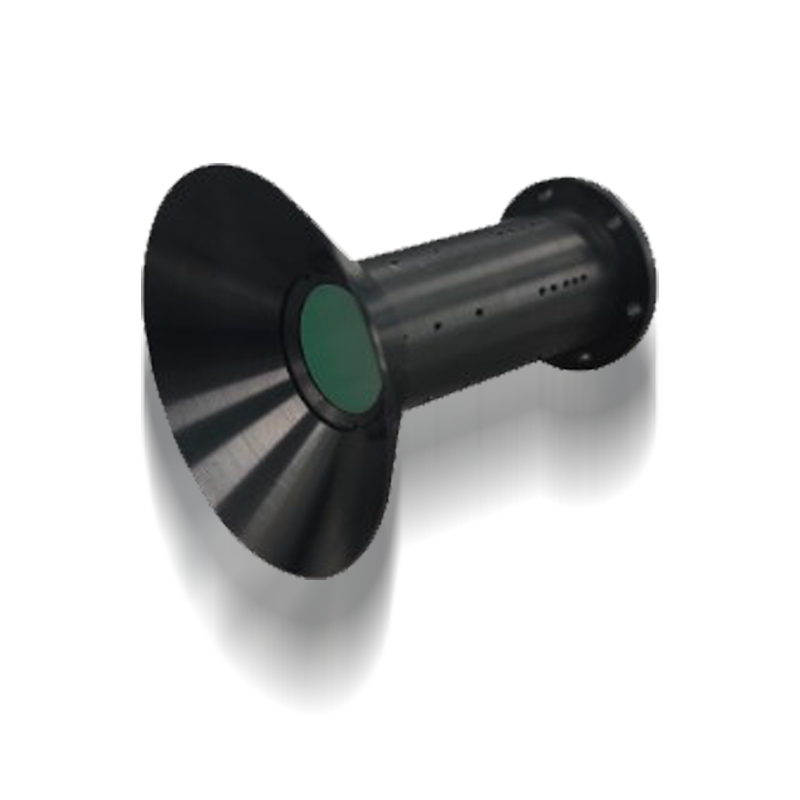
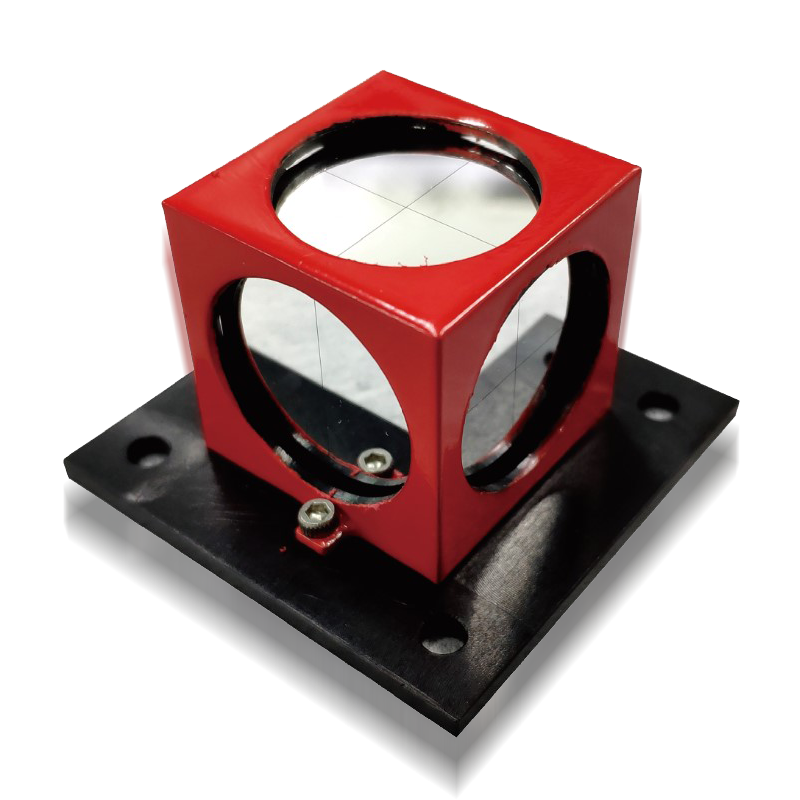
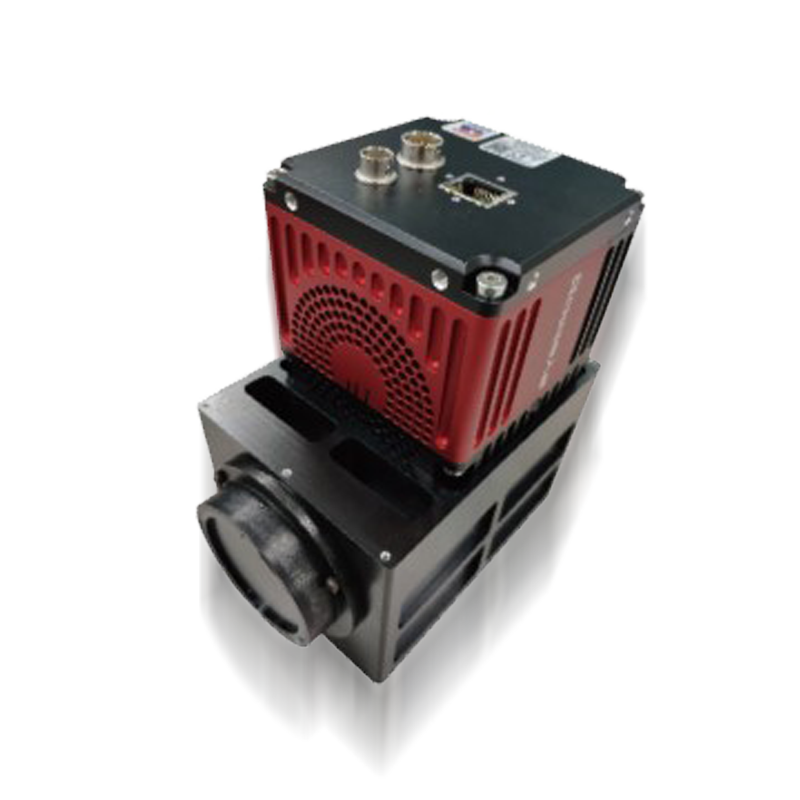
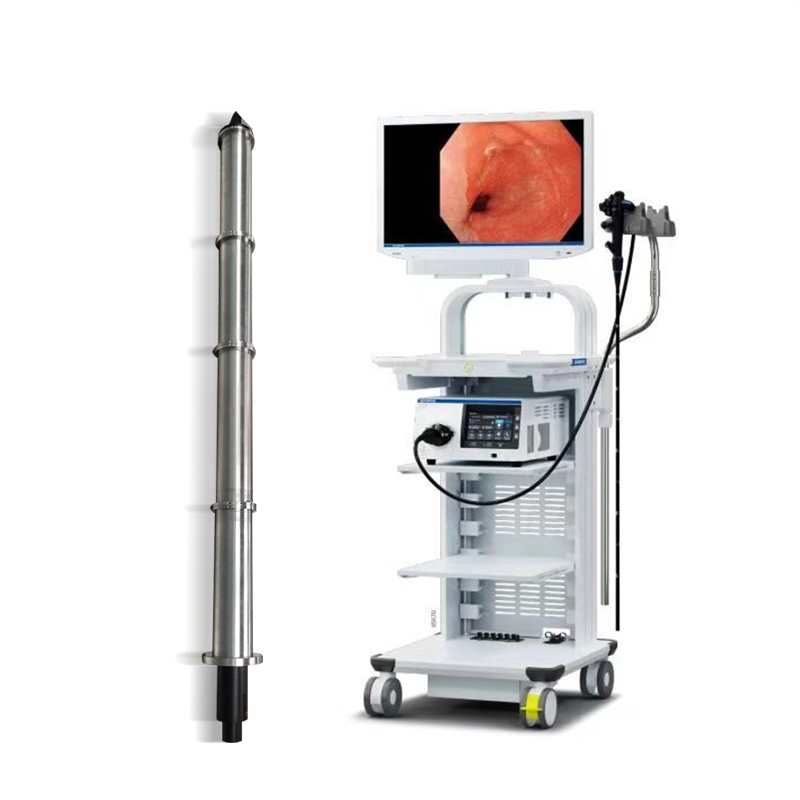
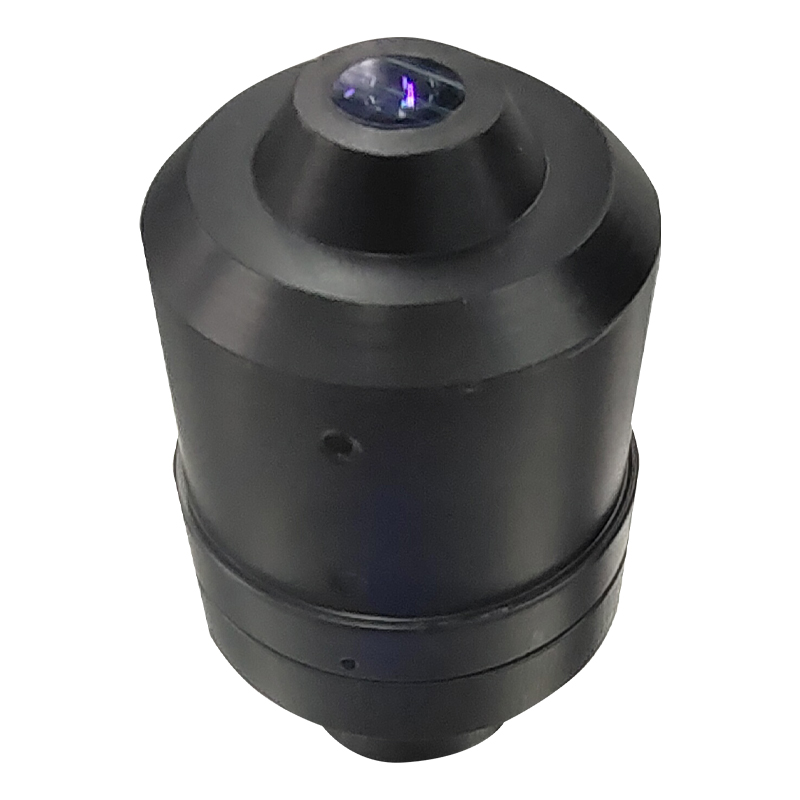
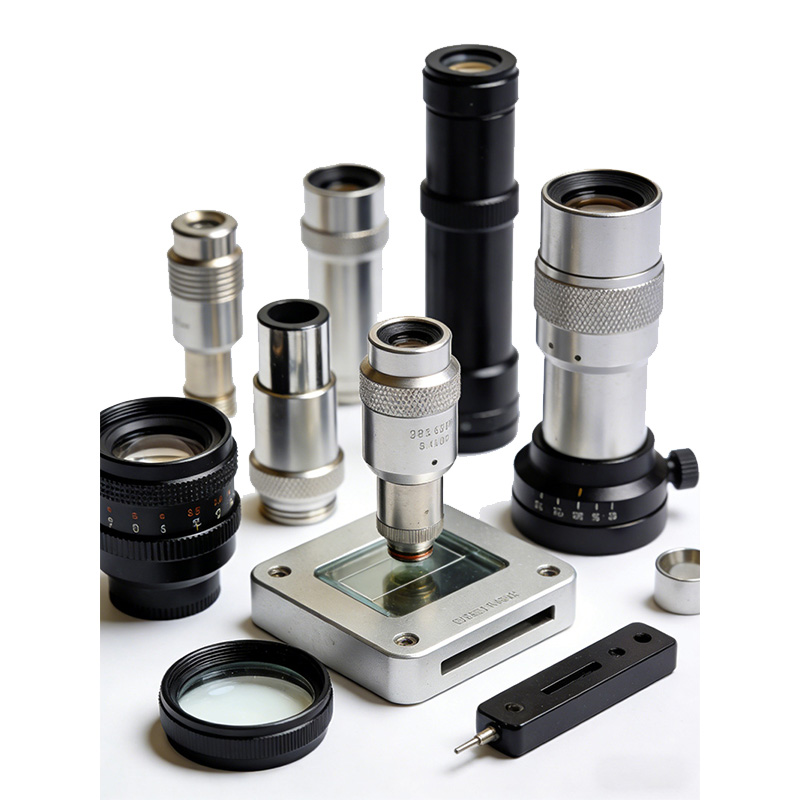
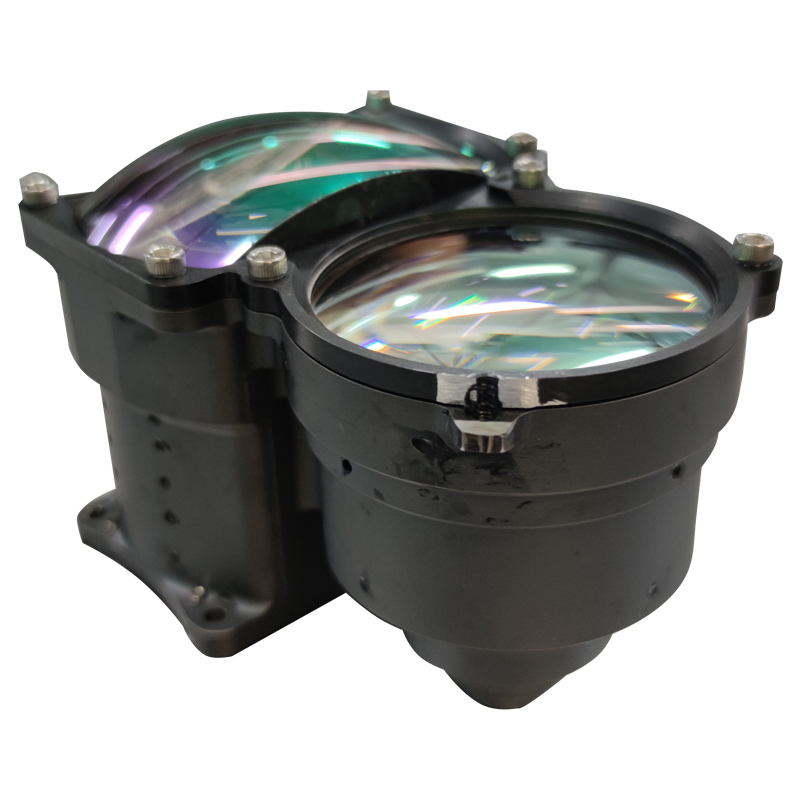
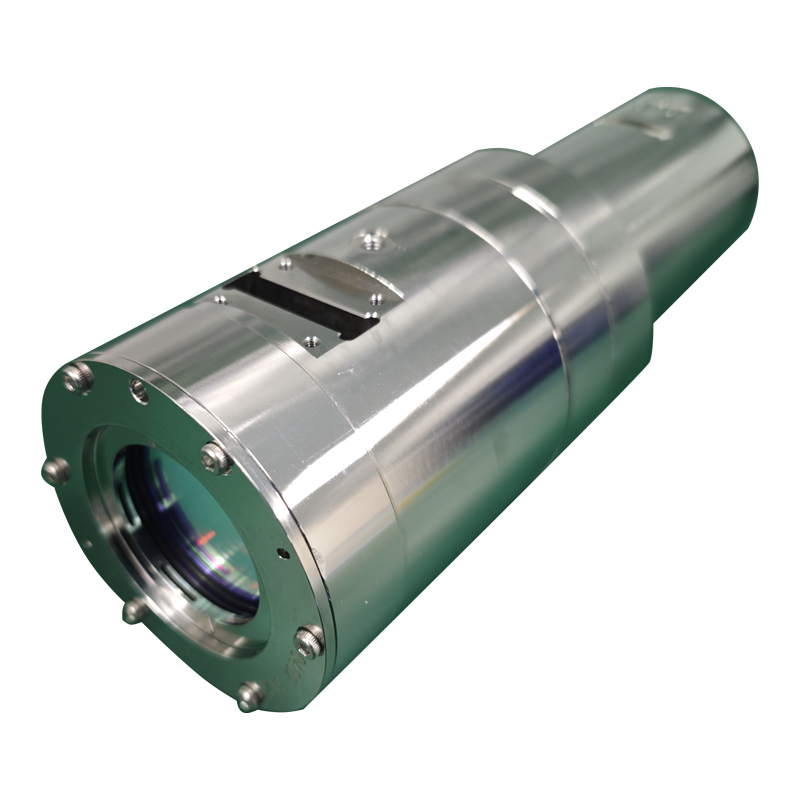
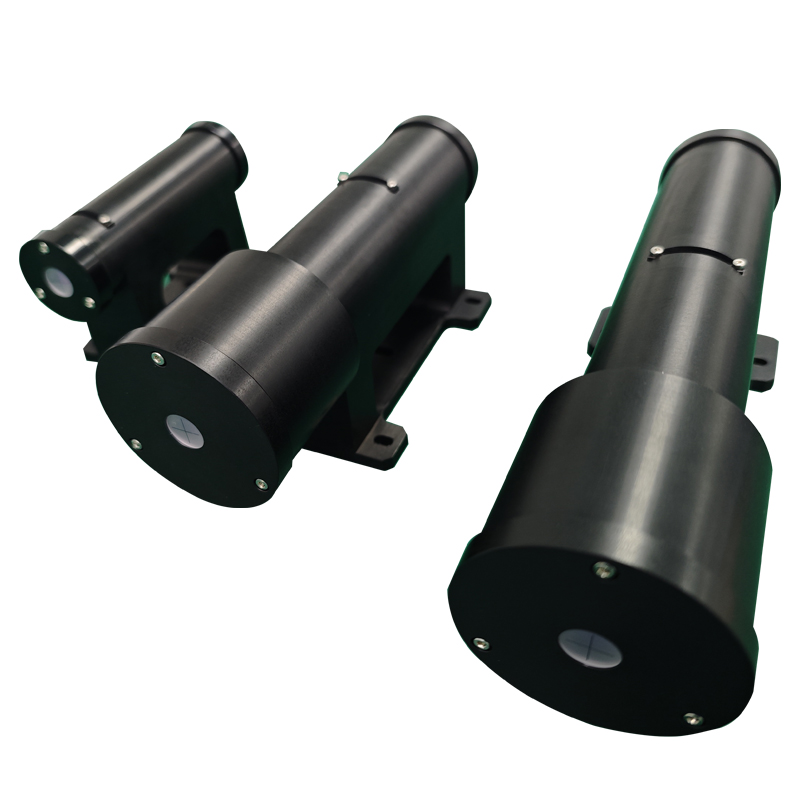
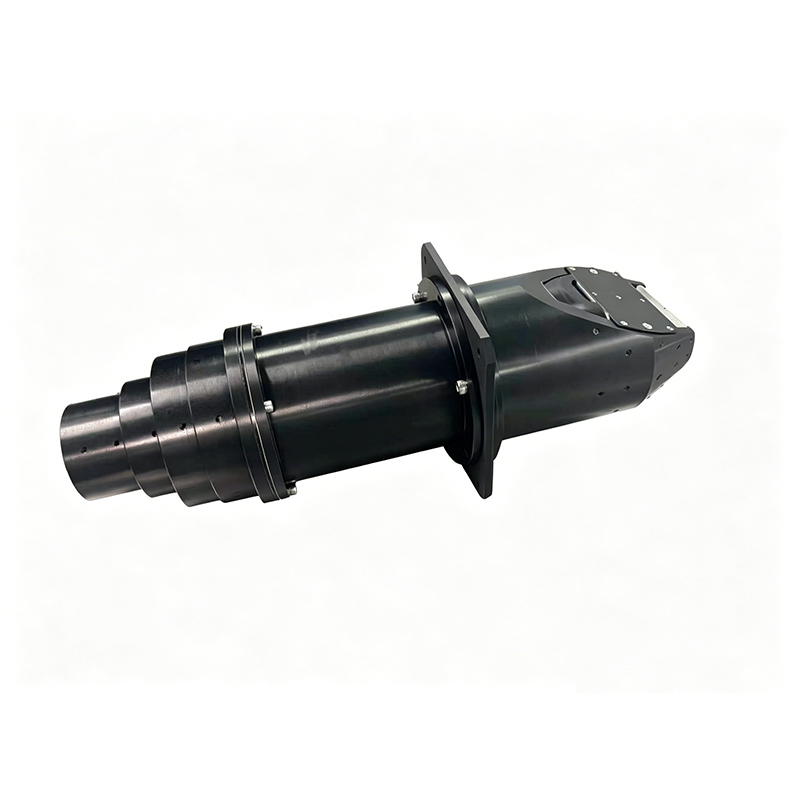
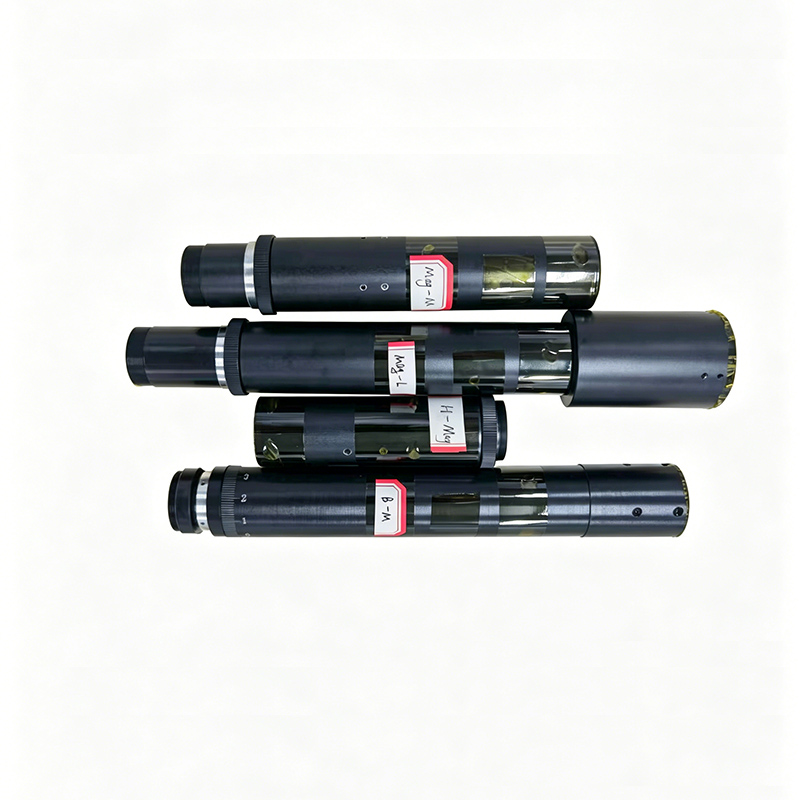
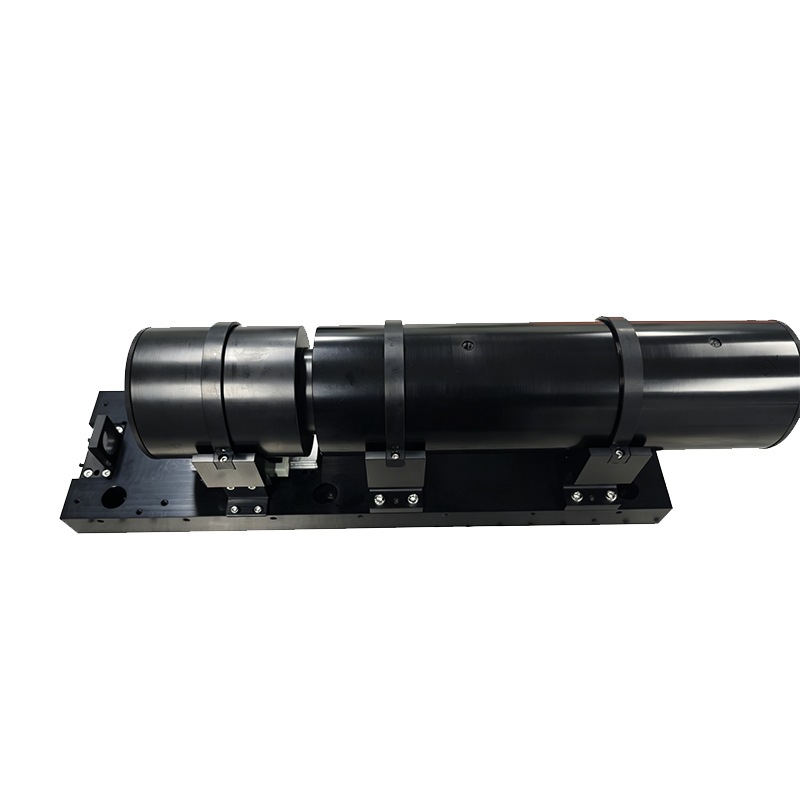
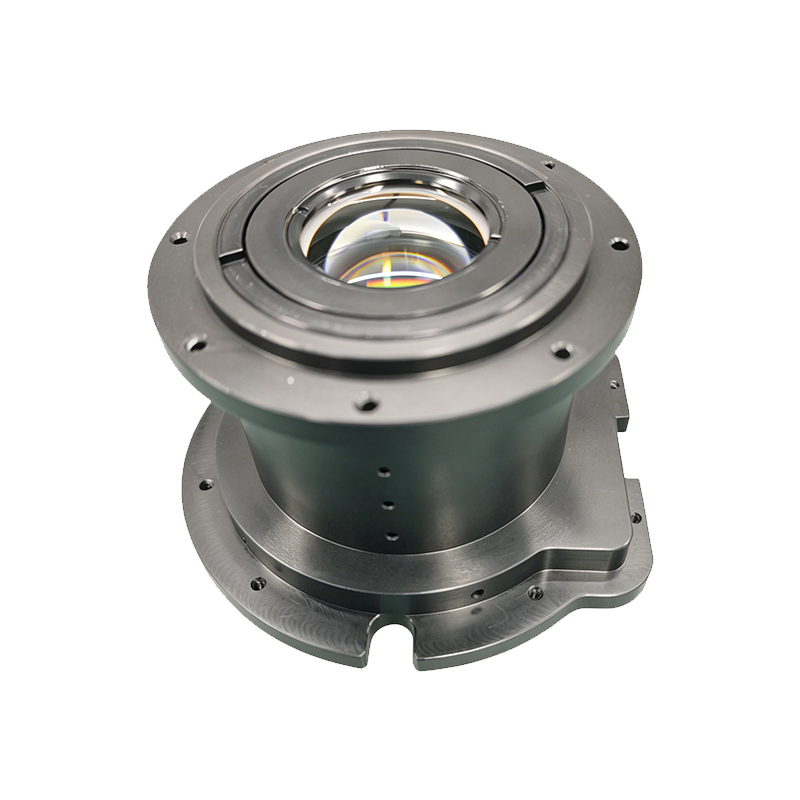
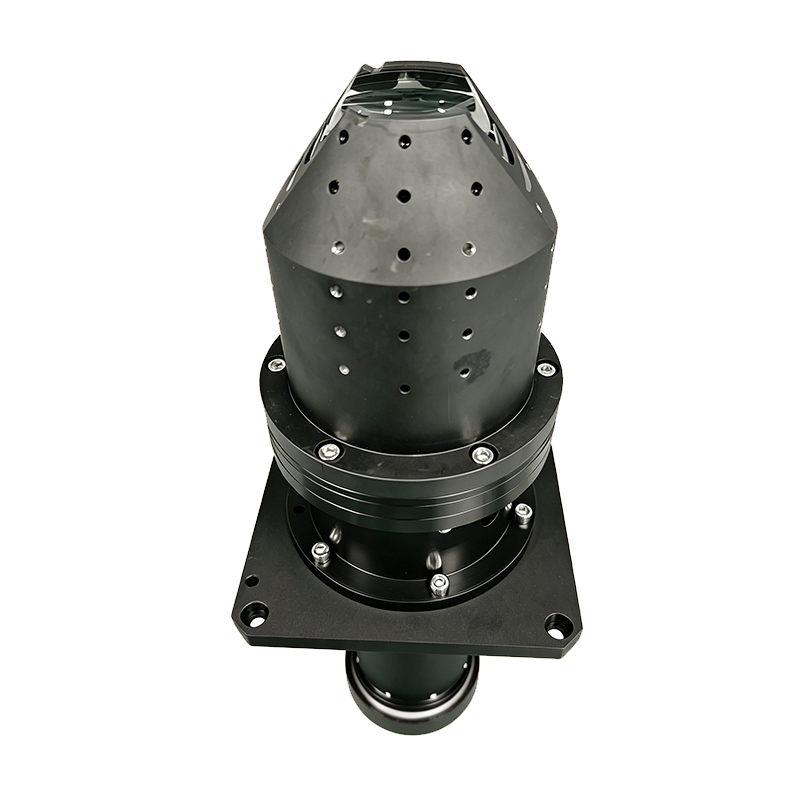
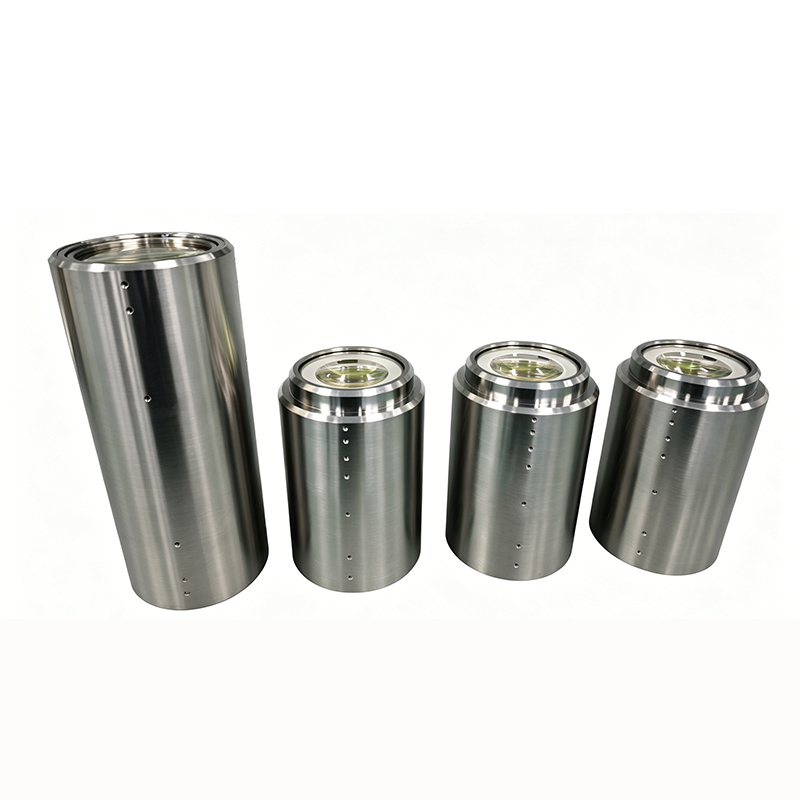
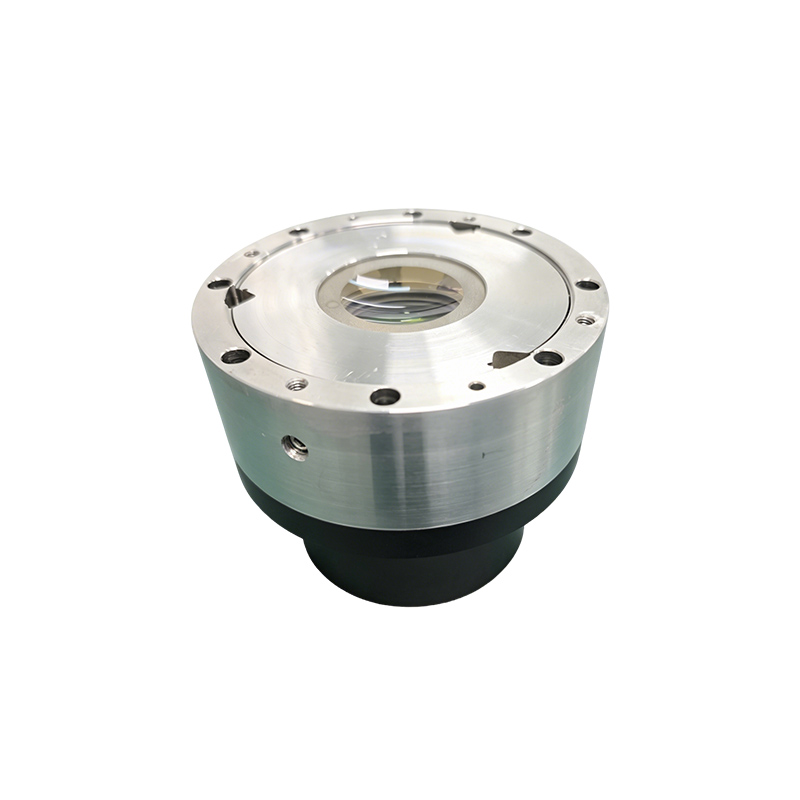
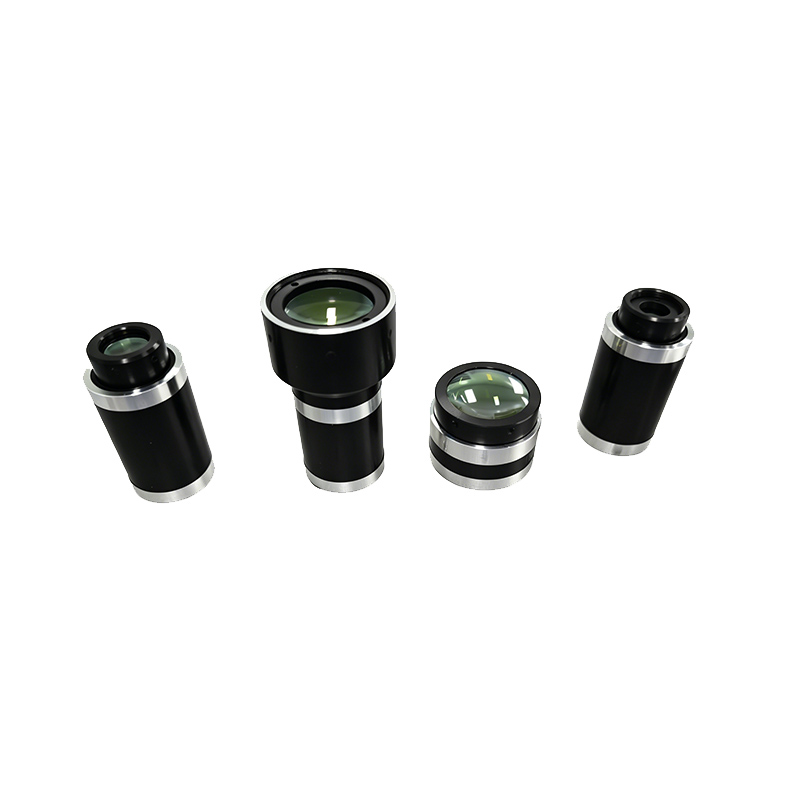
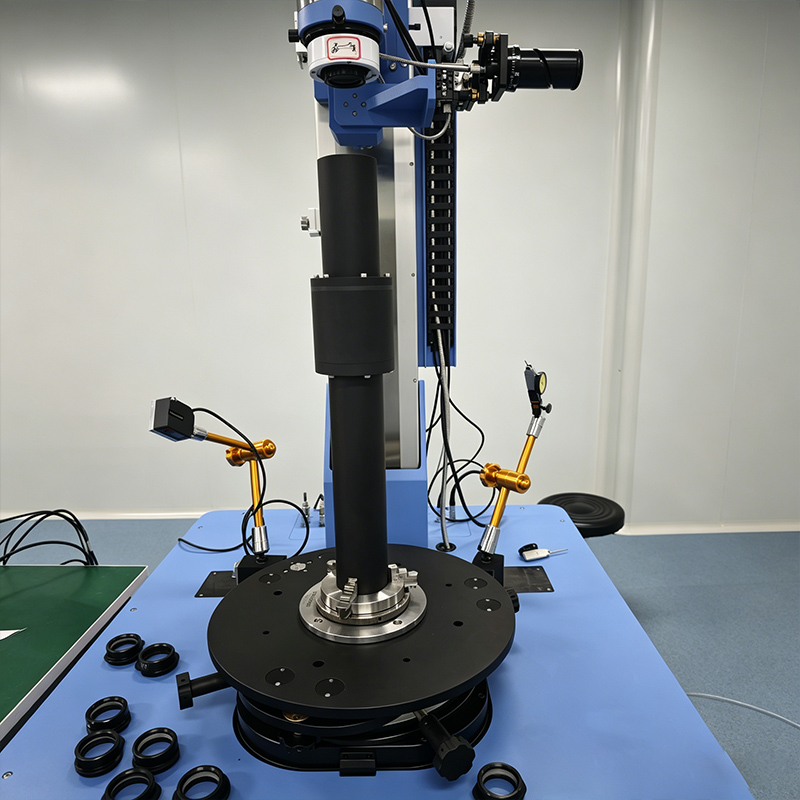
Two-mirror system, or dual-reflector optical system, consists of a primary mirror and a secondary mirror forming the core imaging/collimating structure. It is a classic solution for high-resolution, achromatic, large-aperture optical systems, widely used in astronomical telescopes, lidars, deep-space exploration, precision measurement and industrial optical lenses.
I. Basic Structure and Principle
Primary mirror: usually parabolic, hyperbolic or ellipsoidal, responsible for collecting light and reflecting it to the secondary mirror.
Secondary mirror: located in front of the primary mirror, reflects light again to fold the optical path and shorten the total system length.
Core Advantages:
Completely achromatic (reflection is wavelength-independent), suitable for wide-spectrum and multi-band applications.
Folded optical path, system length much shorter than focal length, compact structure.
Large aperture and lightweight, favorable for high light-gathering capacity and high resolution.
II. Classic Types of Two-Mirror Systems
Newtonian System
Parabolic primary mirror + flat secondary mirror
Simple structure, low aberration, mainly used in astronomical observation.
Cassegrain System (most commonly used)
Parabolic primary mirror + hyperbolic secondary mirror
Long focal length, short barrel, high imaging quality, mainstream structure for telescopes, remote sensing and spotting scopes.
Ritchey-Chrétien System (R-C)
Hyperbolic primary mirror + hyperbolic secondary mirror
Large field of view, minimal off-axis aberration, preferred for professional astronomy, space telescopes and high-resolution remote sensing.
III. Key Features
Achromatic and wide-spectrum: applicable to visible light, infrared and ultraviolet.
Large aperture and high resolution: lighter and more capable than refractive lenses at the same aperture.
Compact structure: suitable for precision equipment with limited space.
Easy coating, high transmittance/reflectivity: obvious advantages in laser and weak light detection scenarios.
IV. Typical Applications
Astronomical telescopes, space observation cameras
Lidars, laser collimation, beam shaping
Remote sensing satellites, aerial surveying and mapping
High-precision measuring instruments, infrared imaging systems
Industrial lenses, long-distance monitoring, target observation optics