# Laser Communication System
A laser communication system is a new type of communication system that uses lasers as the information carrier to achieve high-speed, long-distance, high-security and large-capacity information transmission. Its core lies in the precise transmission of voice, data, images and other information through the modulation, emission, propagation and reception of laser beams. Combining the high directivity of optical systems with the efficient transmission characteristics of communication systems, it is a high-end segment in the field of optical communications.
It is widely used in scenarios such as space communication, national defense and security, industrial interconnection and emergency communication. Compared with traditional radio frequency (RF) communication, it has significant advantages including large bandwidth, strong anti-interference performance, small size and low power consumption.
## I. Core Working Principle
The laser communication system follows the core logic of **modulation–emission–transmission–reception–demodulation**. The complete link consists of a signal processing module, a laser modulation module, a transmitting optical system, a receiving optical system, a demodulation module and an auxiliary control module. The specific workflow is as follows:
- **Signal Processing**: Encode, filter and amplify electrical signals such as voice, data and images to be transmitted, converting them into signals that meet laser modulation requirements.
- **Laser Modulation**: Use a modulator to change the amplitude, frequency, phase or pulse width of the laser, load electrical signals onto the laser beam, and form a modulated laser carrying information.
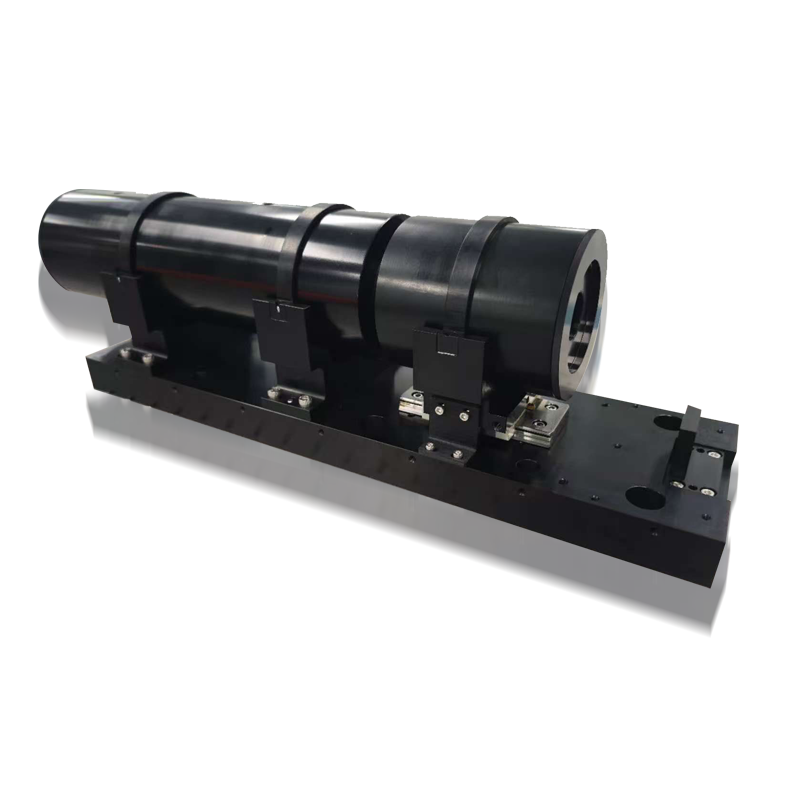
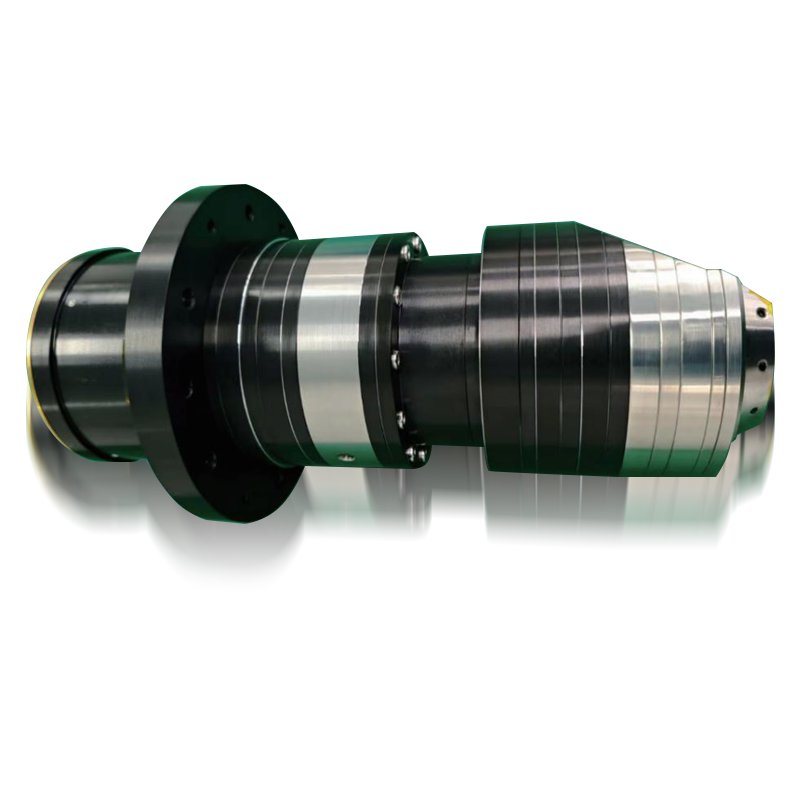
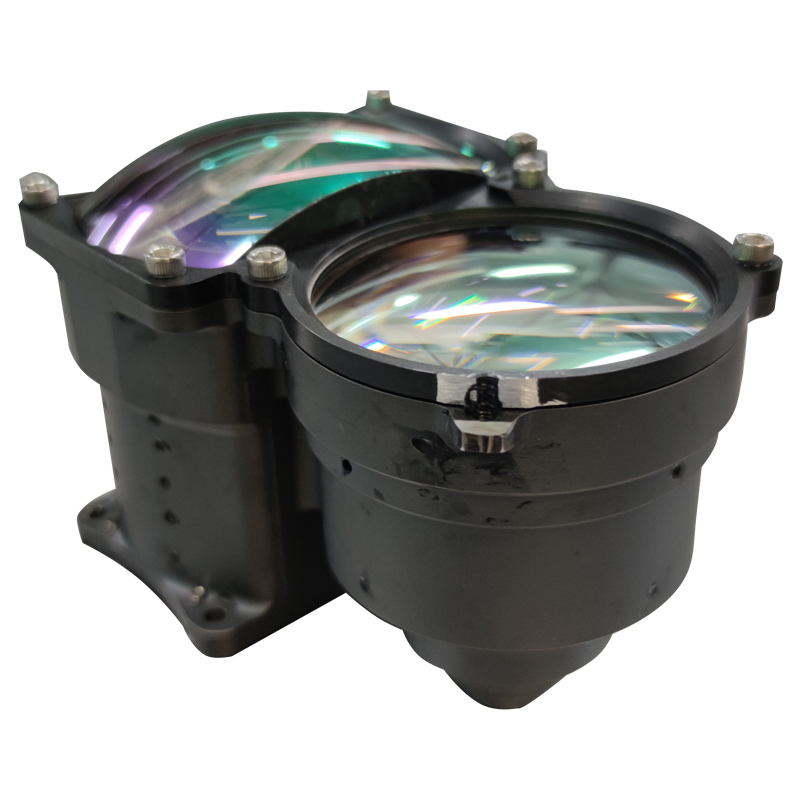
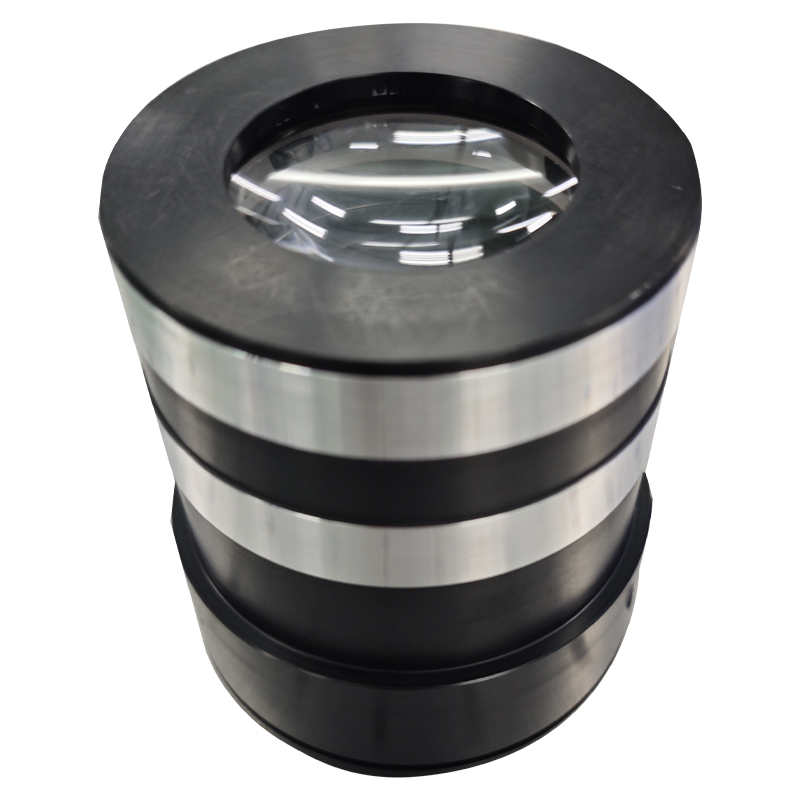
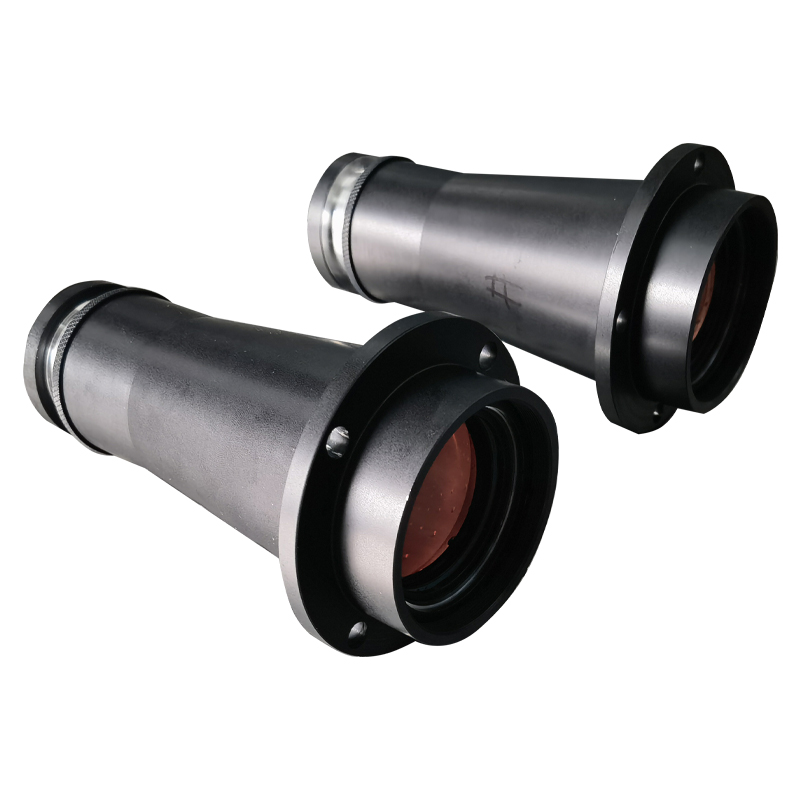
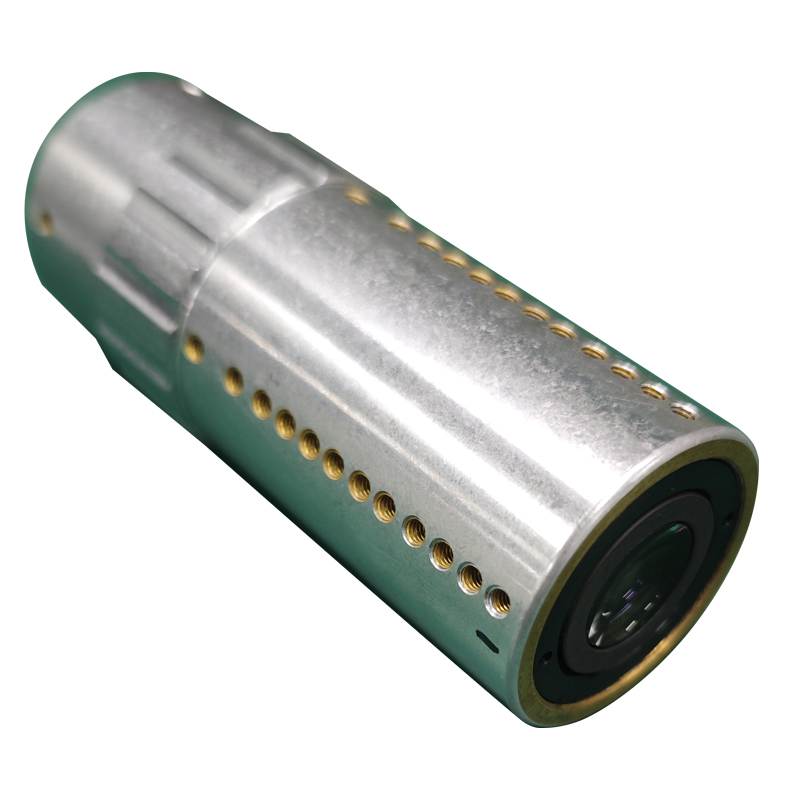
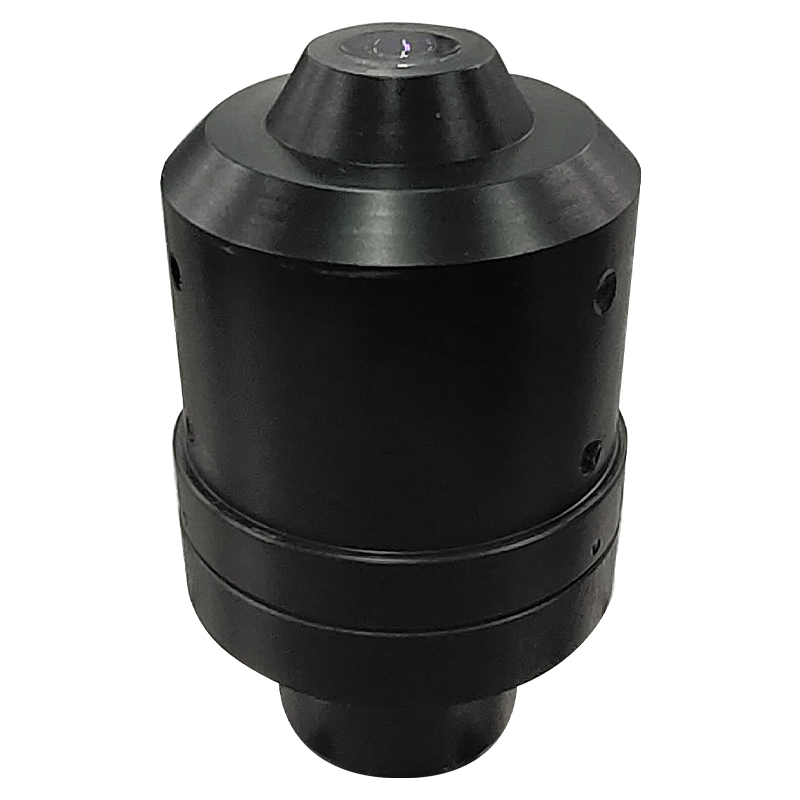
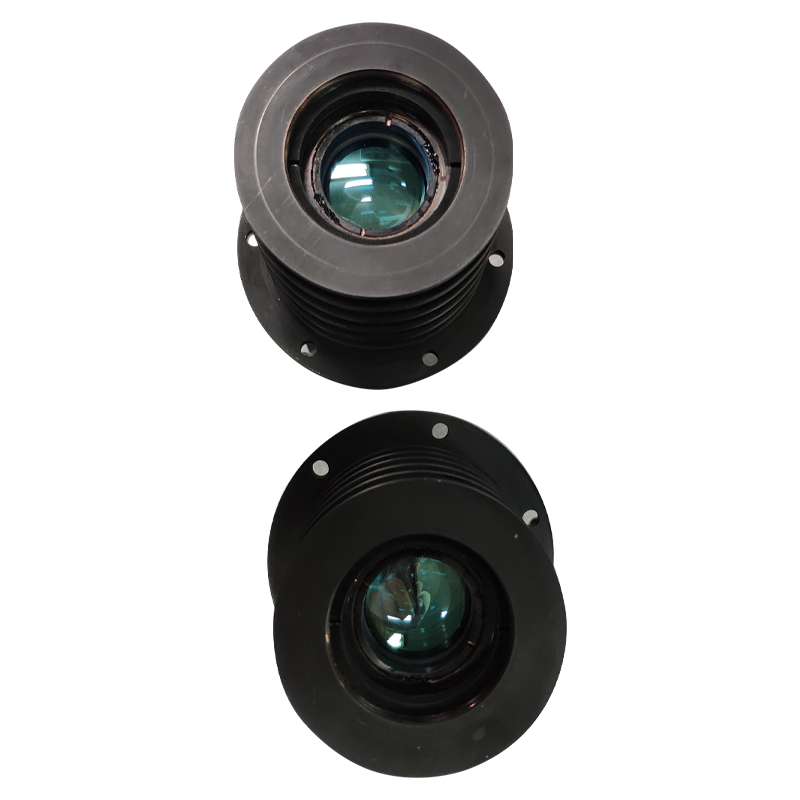
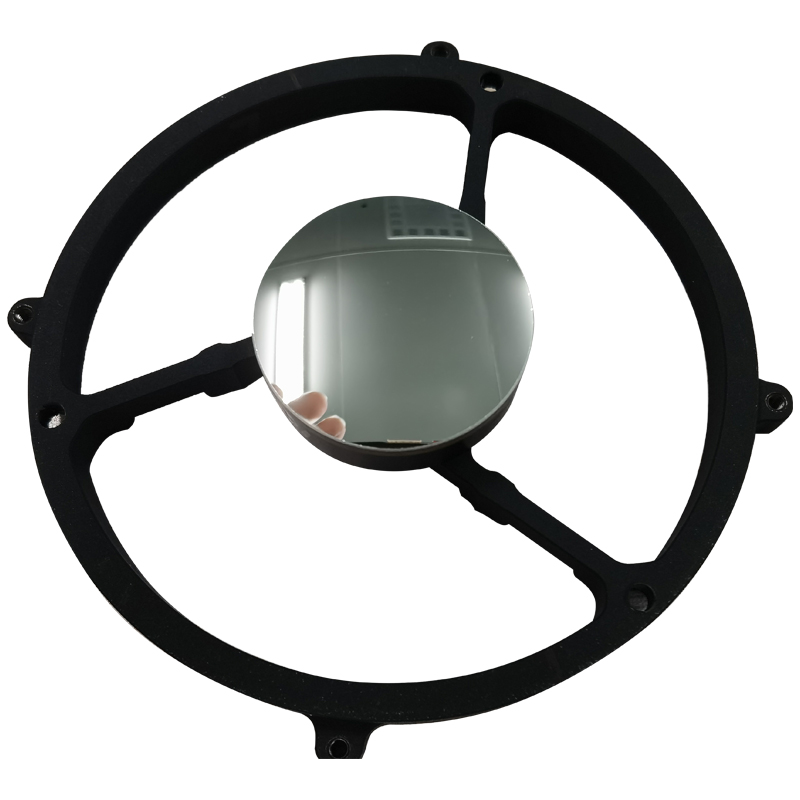
- **Laser Emission**: The laser emission assembly (including laser, collimating mirror, two-mirror/multi-mirror optical system) collimates the modulated laser into a parallel beam and transmits it directionally to the receiving end.
- **Signal Transmission**: The laser beam propagates through free space (atmosphere, outer space) or optical fiber media. Anti-interference designs suppress effects such as atmospheric attenuation, stray light and turbulence during transmission.
- **Reception and Demodulation**: The receiving optical system (including receiving lens, optical filter, detector) captures the laser signal, converts the optical signal into an electrical signal, and restores the original transmitted information through the demodulation module, completing the communication closed loop.
## II. Core Structural Composition
The laser communication system adopts a modular integrated design, with all components working in coordination to ensure communication stability and efficiency. The core components are as follows:
- **Signal Processing Module**: The core control unit responsible for signal encoding, decoding, filtering, amplification and synchronization. It supports multiple communication protocols, enables real-time processing of high-speed data, and adapts to transmission requirements ranging from Mbps to Gbps levels.
- **Laser Transmitter Module**: The core of the transmitting end, composed of a laser (commonly semiconductor laser or solid-state laser), modulator and collimating beam expander assembly. The laser outputs a stable laser beam, the modulator completes signal loading, and the collimating beam expander ensures parallel laser emission to reduce spot diffusion and energy loss during transmission.
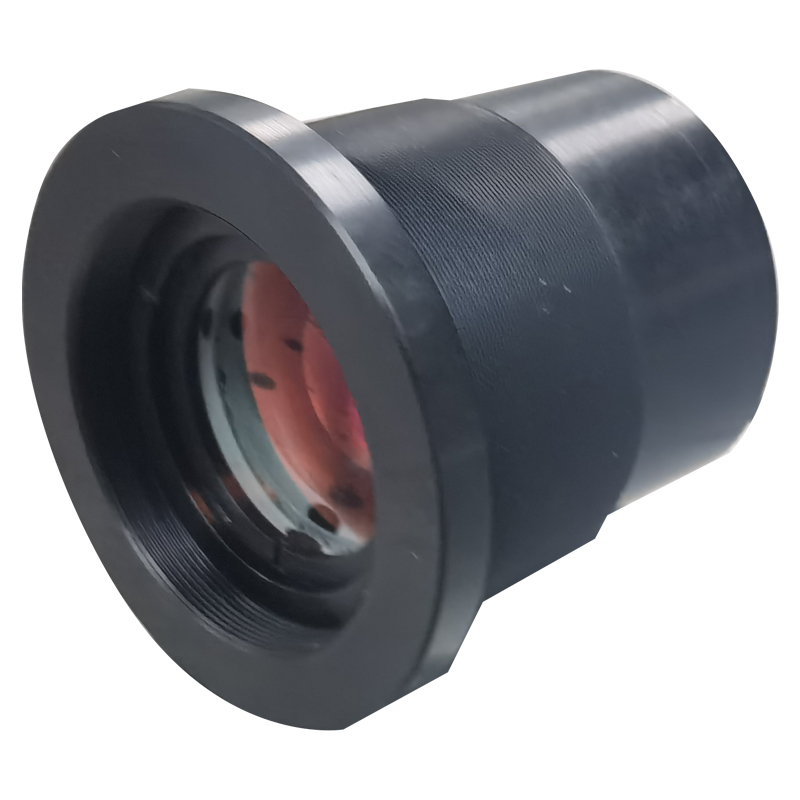
- **Laser Receiver Module**: The core of the receiving end, composed of a receiving lens, optical filter, photodetector and signal amplifier. The receiving lens captures weak laser signals, the filter suppresses stray light interference, the photodetector converts optical signals into electrical signals, and the amplifier amplifies weak electrical signals to ensure demodulation accuracy.
- **Auxiliary Control Module**: Includes a pointing and tracking system, adaptive optics system and environmental monitoring module. The pointing and tracking system achieves precise alignment between the transmitter and receiver (accuracy up to microradian level). The adaptive optics system compensates for interferences such as atmospheric turbulence and vibration during transmission. The environmental monitoring module feeds back real-time parameters including temperature, humidity and atmospheric visibility to ensure stable system operation.
- **Transmission Media**: Divided into free space (atmosphere, space orbit) and optical fiber. Free-space laser communication is suitable for long-distance, wiring-free scenarios, while fiber-optic laser communication is suitable for short-distance, high-stability, large-capacity transmission scenarios.
## III. Core Technical Characteristics
- **High-Speed Transmission**: Bandwidth far exceeds traditional RF communication, with transmission rates up to Gbps level. It enables real-time transmission of high-definition images and massive data, meeting high-end demands such as industrial interconnection and space communication.
- **High Confidentiality**: Lasers feature high directivity with a small beam divergence angle (usually milliradian level), making interception and eavesdropping difficult. Encrypted modulation further enhances security, suitable for classified scenarios such as national defense and government affairs.
- **Strong Anti-Interference**: Immune to electromagnetic and radio frequency interference, operating stably in complex electromagnetic environments. It has obvious anti-interference advantages over traditional communication, suitable for strong-interference scenarios such as national defense security and industrial plants.
- **Small Size & Low Power Consumption**: Modular and lightweight design with highly integrated core components, much smaller in size than traditional RF communication equipment and low in power consumption. It adapts to space-constrained scenarios such as airborne, vehicle-mounted, satellite and portable devices.
- **Long-Distance Transmission**: Free-space laser communication supports transmission from several kilometers to hundreds of kilometers. Space laser communication (between satellites, satellite-to-ground) reaches thousands of kilometers. Fiber-optic laser communication enables long-distance seamless connection to cover diverse transmission needs.
- **Strong Environmental Adaptability**: Through adaptive optical design and wide-temperature-range optimization, it operates stably in environments from -40℃ to +60℃, with shock and vibration resistance, adapting to complex environments such as outdoor, high-altitude and outer space.
## IV. Typical Application Scenarios
- **Space Laser Communication**: Inter-satellite communication, satellite-to-ground communication and deep-space exploration communication. It solves the pain points of insufficient bandwidth and high latency in traditional RF communication, realizing high-speed satellite data downlink and real-time feedback of deep-space exploration information, serving as a core development direction of aerospace communication.
- **National Defense & Security Communication**: Secure communication among military aircraft, naval vessels and ground equipment, real-time data transmission in border security and military exercises. Its high security and anti-interference features ensure the safety of military information.
- **Industrial Interconnection & Intelligent Manufacturing**: High-speed data transmission between workshop equipment, collaborative communication of industrial robots, and real-time transmission of high-definition monitoring images. It adapts to the high-speed and intelligent demands of intelligent manufacturing and solves electromagnetic interference in industrial scenarios.
- **Emergency Communication**: In disasters such as earthquakes, floods and typhoons where ground communication infrastructure is damaged, portable laser communication equipment can be quickly deployed to realize real-time transmission of emergency command and rescue data, ensuring efficient rescue operations.
- **Urban & Park Communication**: High-speed communication between urban high-rise buildings and within industrial parks. It replaces traditional optical fiber wiring, reduces construction costs, and achieves large-capacity, low-latency communication coverage to meet new communication demands such as 5G and the Internet of Things.
- **Scientific Research & Special Communication**: Scientific scenarios such as deep-space exploration, astronomical observation and short-distance underwater communication, as well as high-security communication in classified fields such as government affairs and finance, providing customized communication solutions.
## V. Core Value
The laser communication system breaks through the bandwidth bottlenecks and interference limitations of traditional RF communication, building a new communication model of **high speed, security, anti-interference and lightweight**. It fills technological gaps in fields such as space communication, high-end secure communication and emergency communication.
It not only drives the upgrading and iteration of optical communication technology, but also helps various industries achieve high-speed interconnection, secure transmission and intelligent collaboration. As a core development direction of future communication, it has irreplaceable strategic value and application prospects in key fields including aerospace, national defense, industry and emergency response.