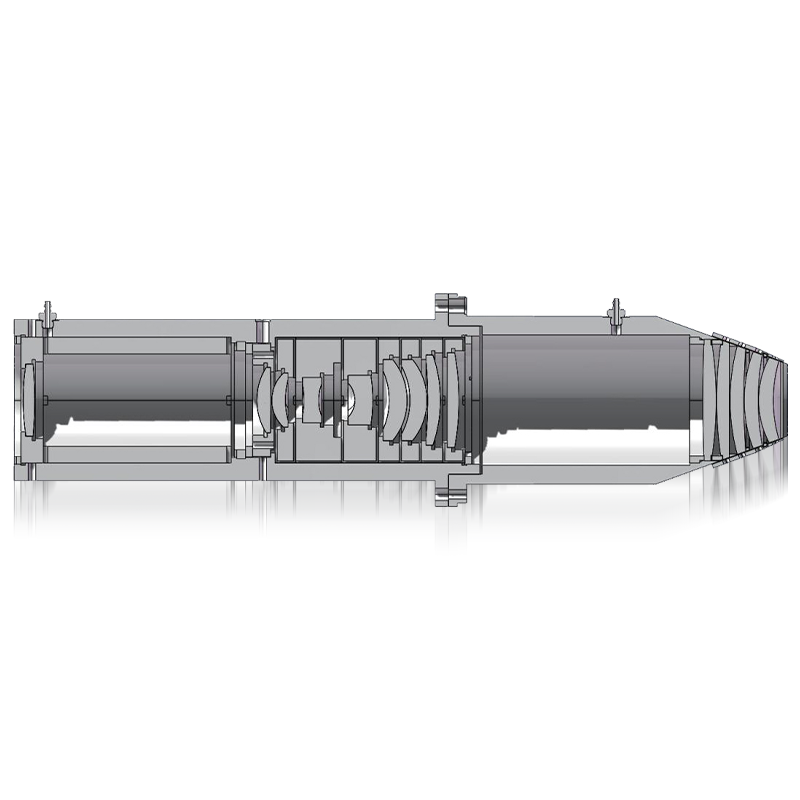
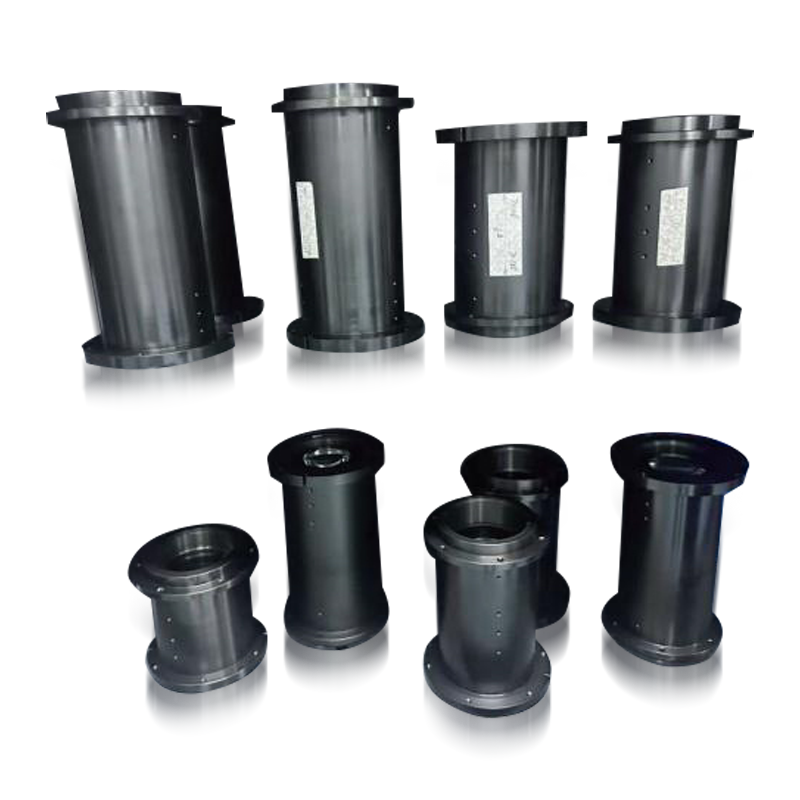
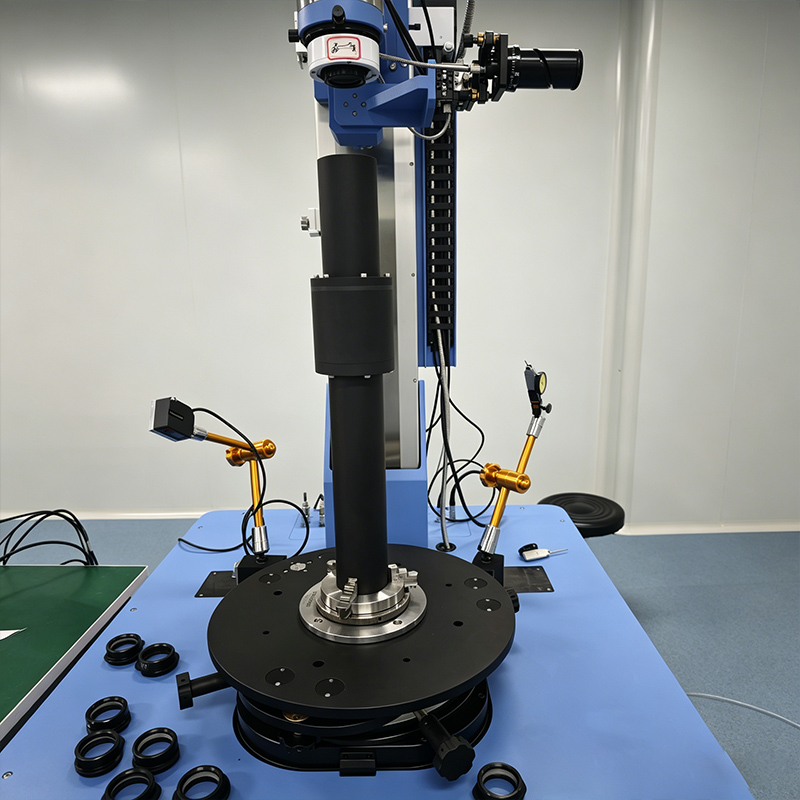
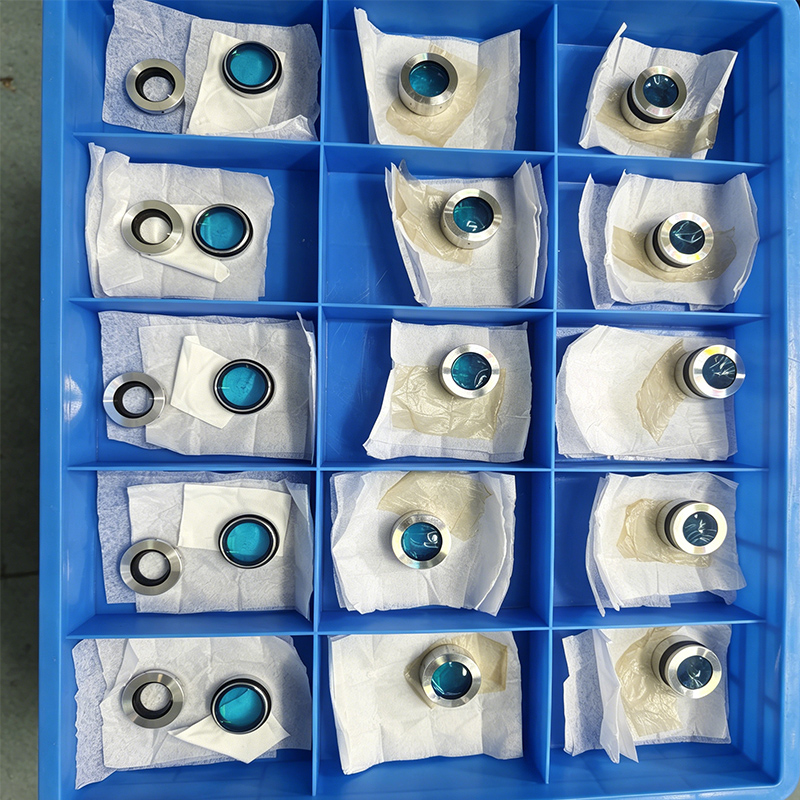
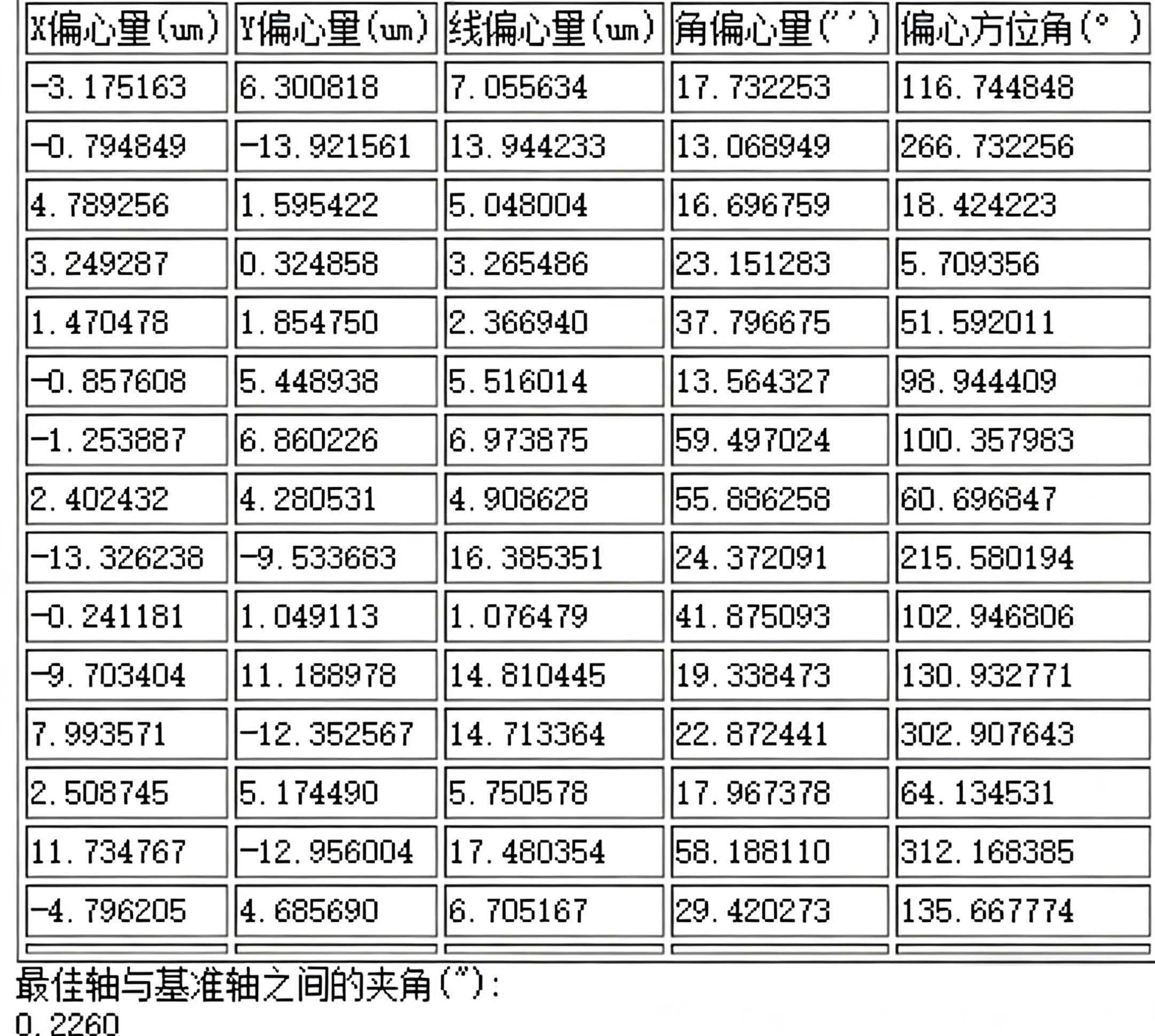
Overall lens decentration tolerance: 0.01 mm, with some sections tightened to 0.005 mm.
Overall lens tilt tolerance: 1 arcminute, with some sections tightened to 30 arcseconds.
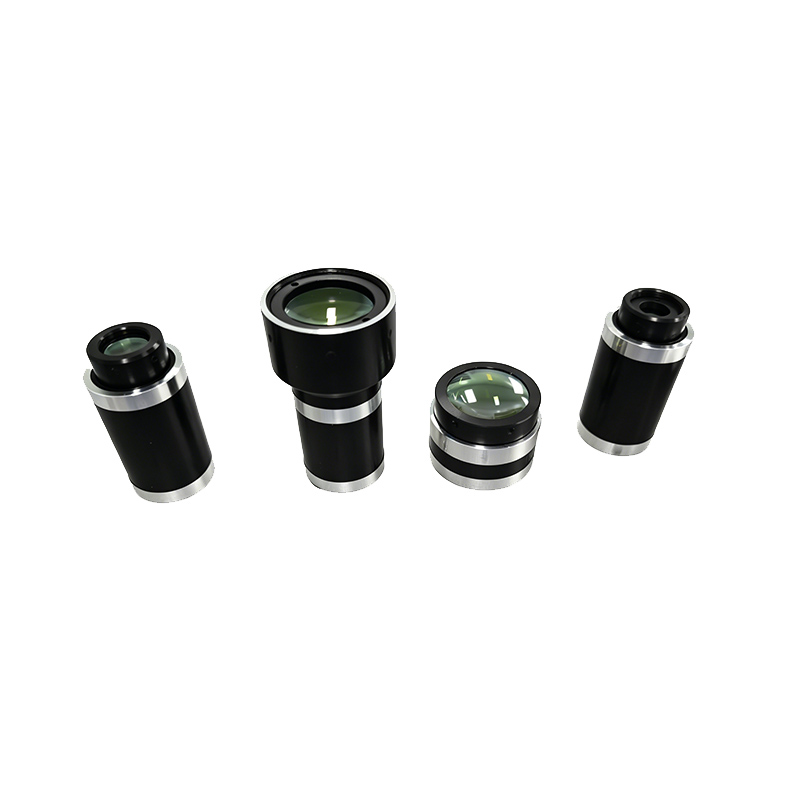
# 266 nm UV Objective Lens
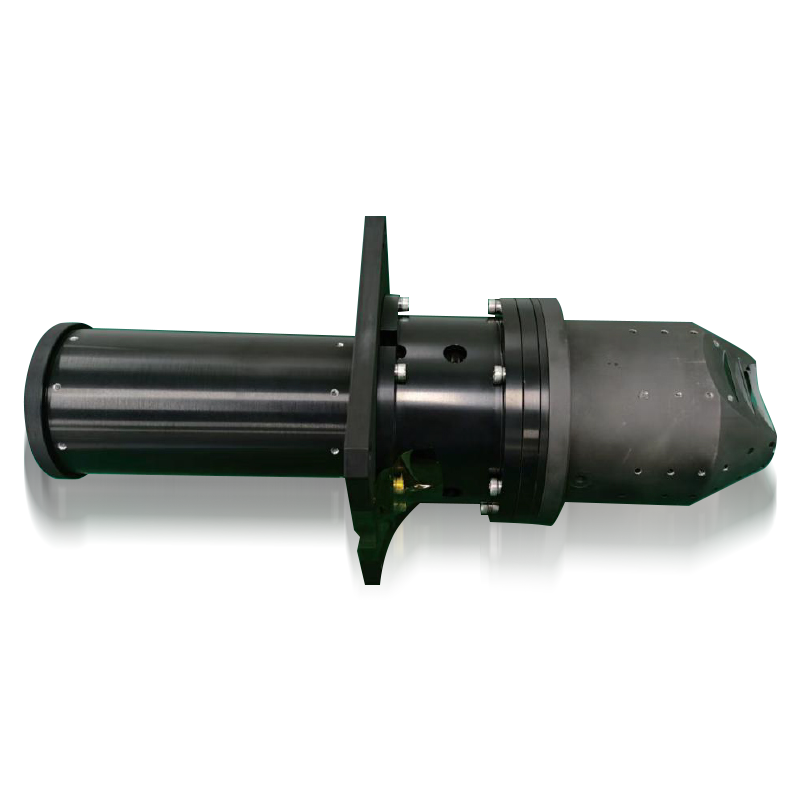
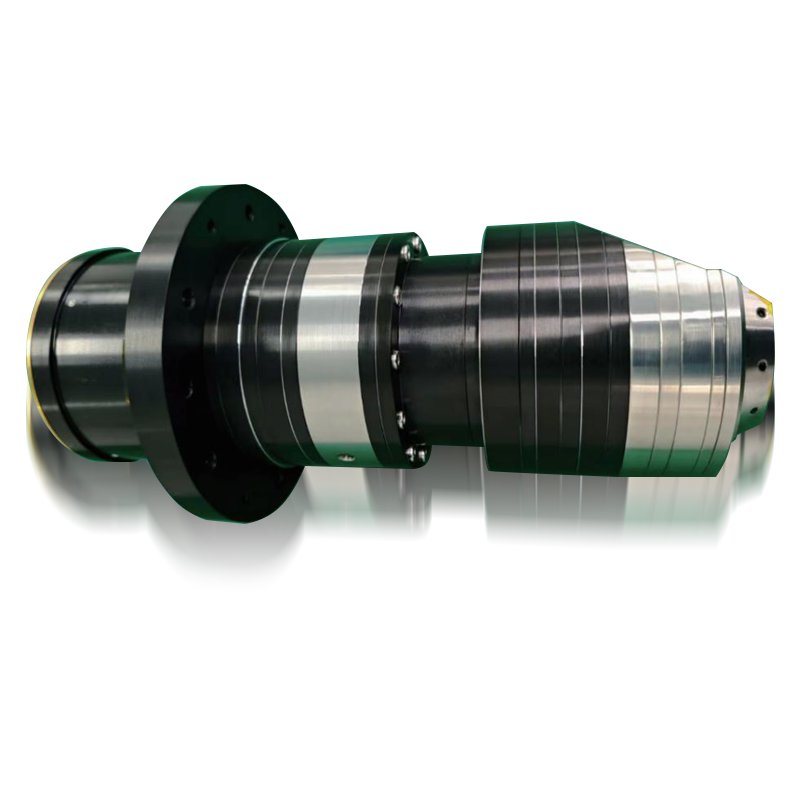
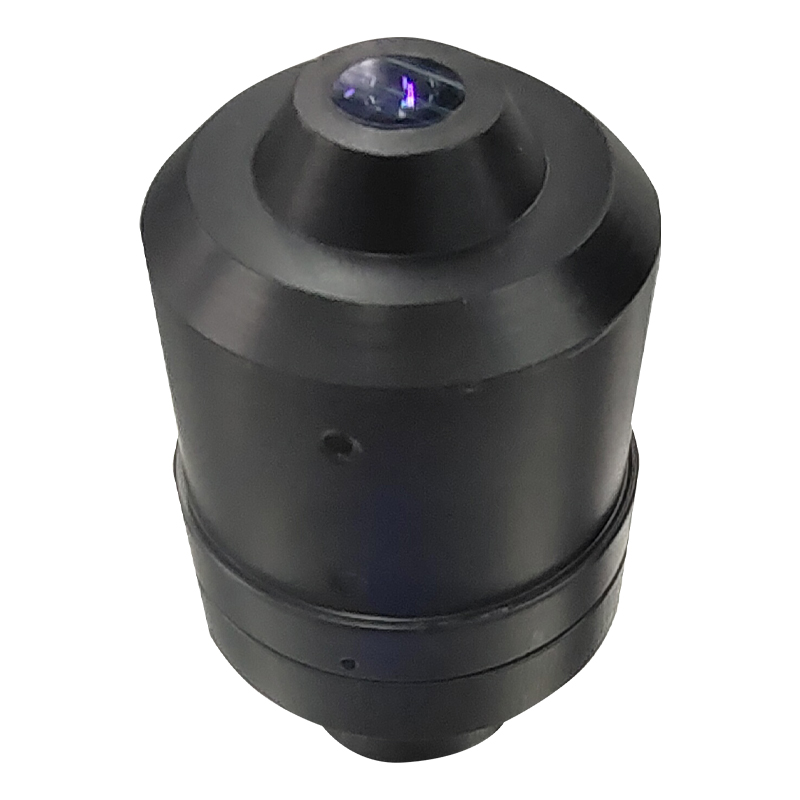
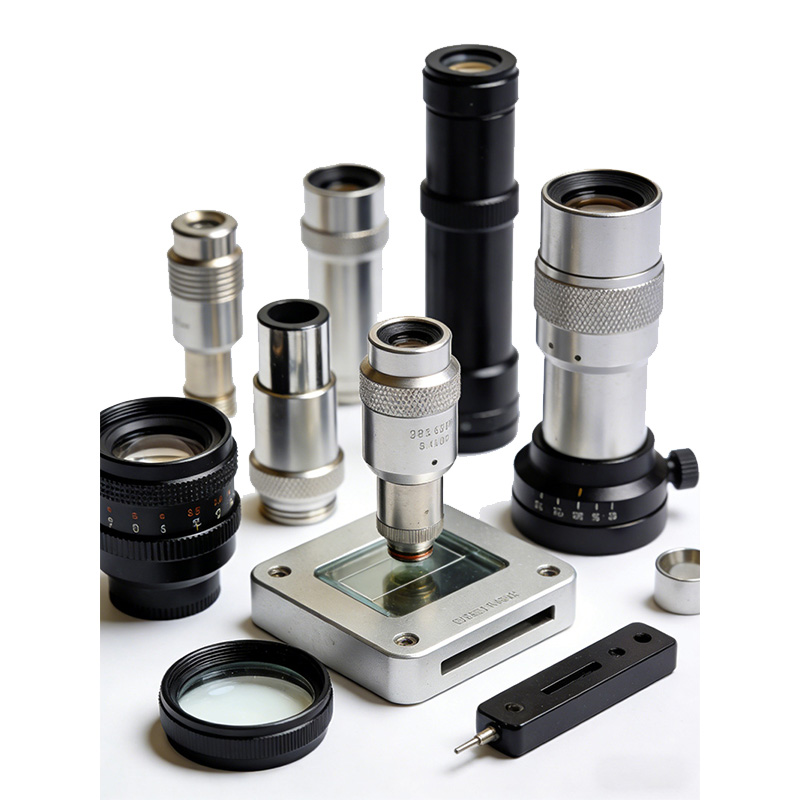
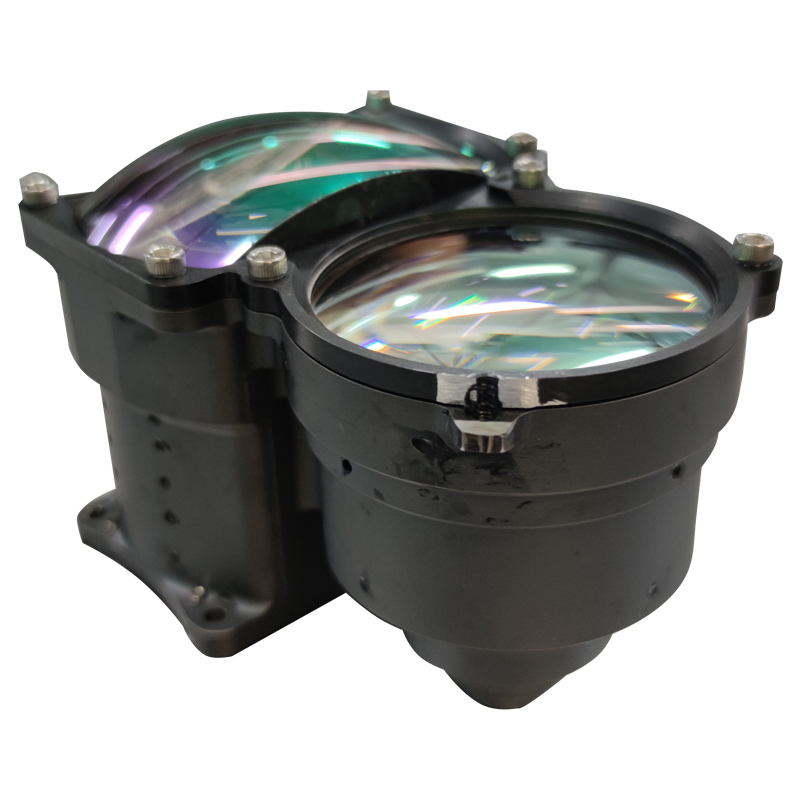
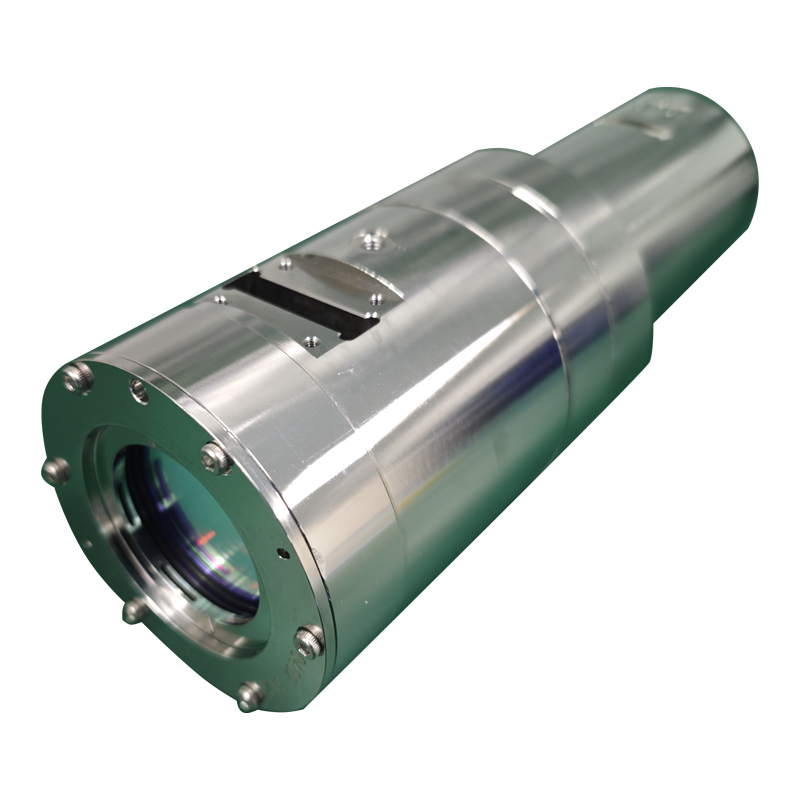
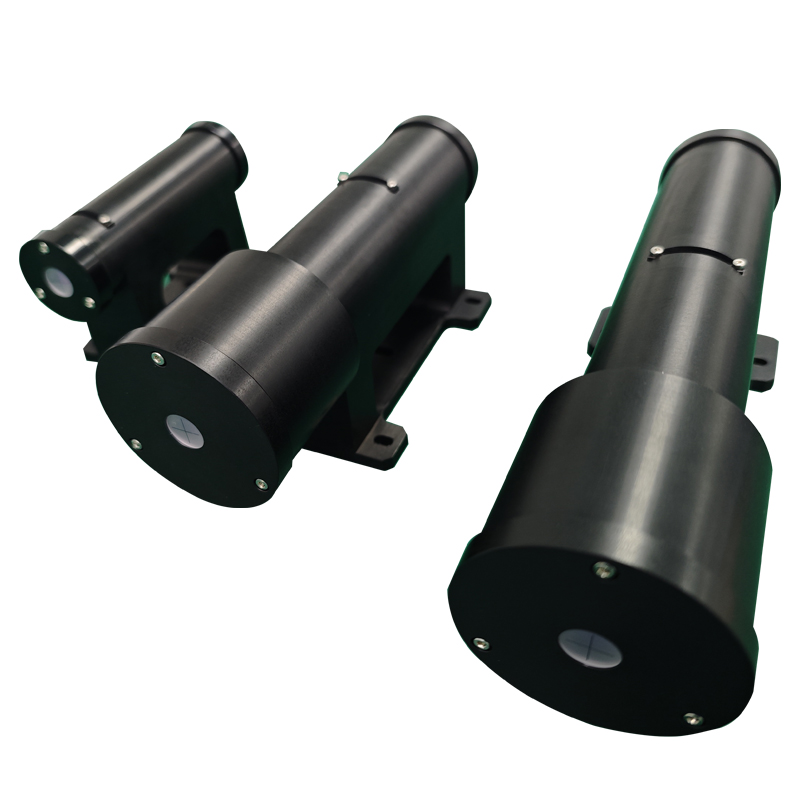
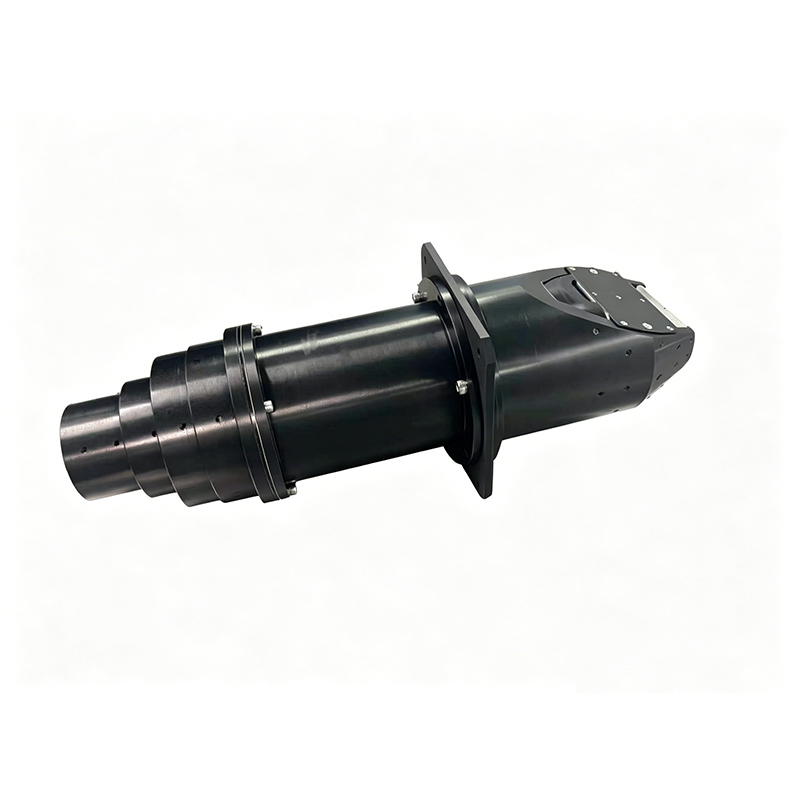
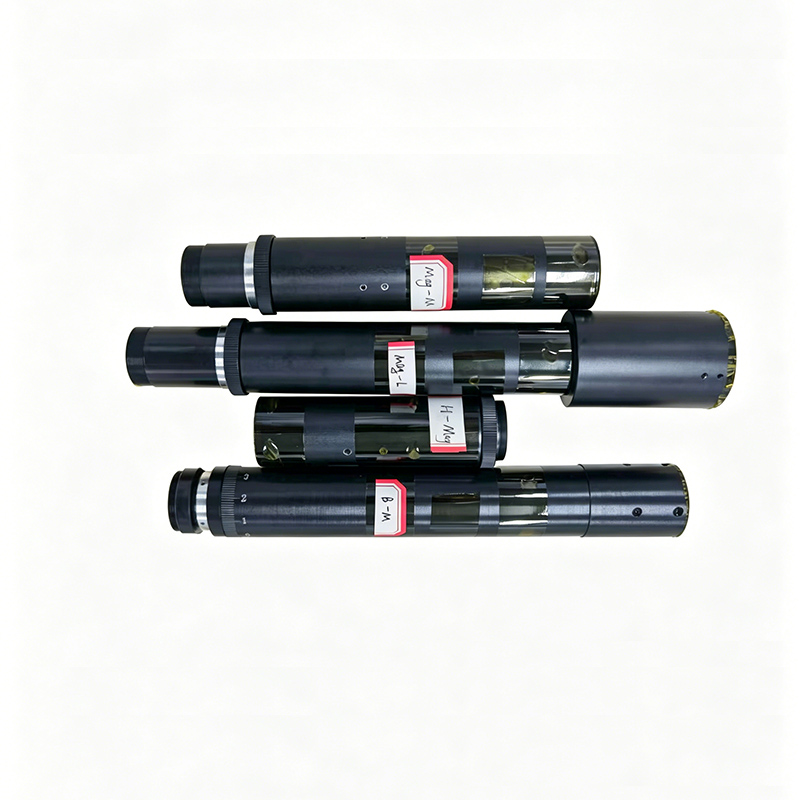
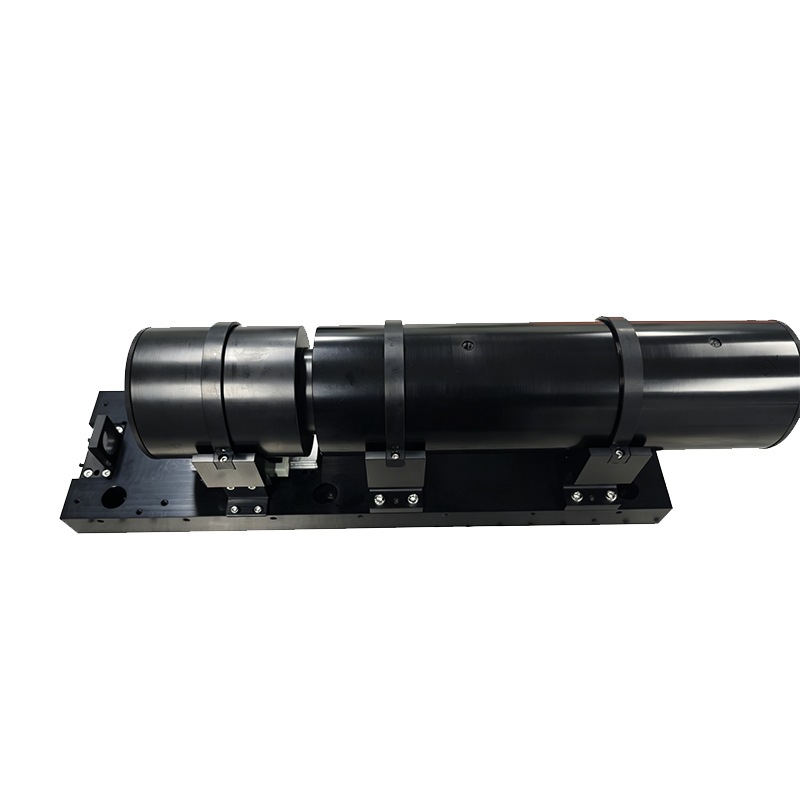
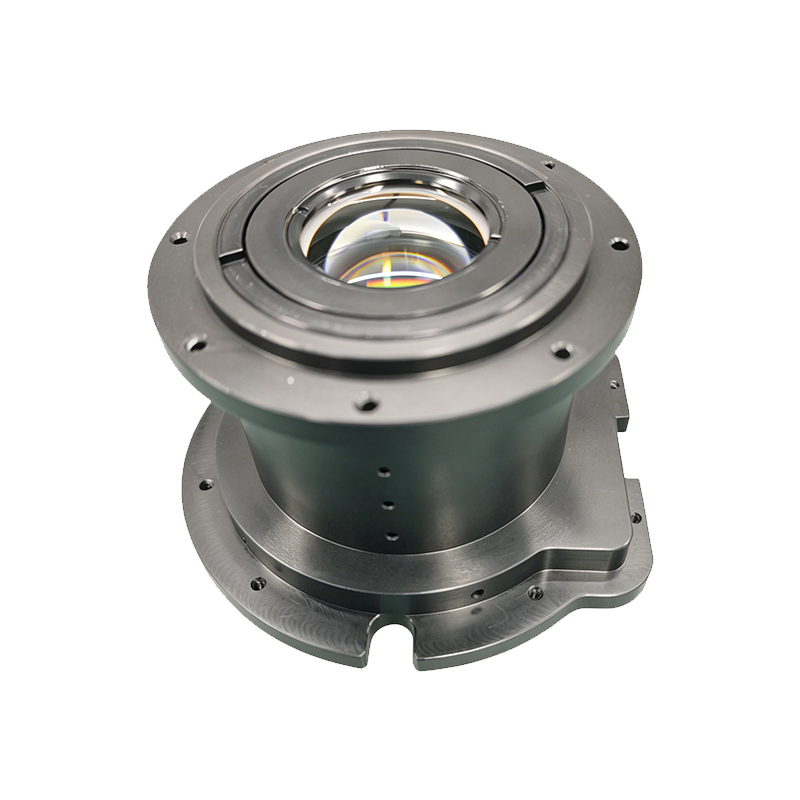
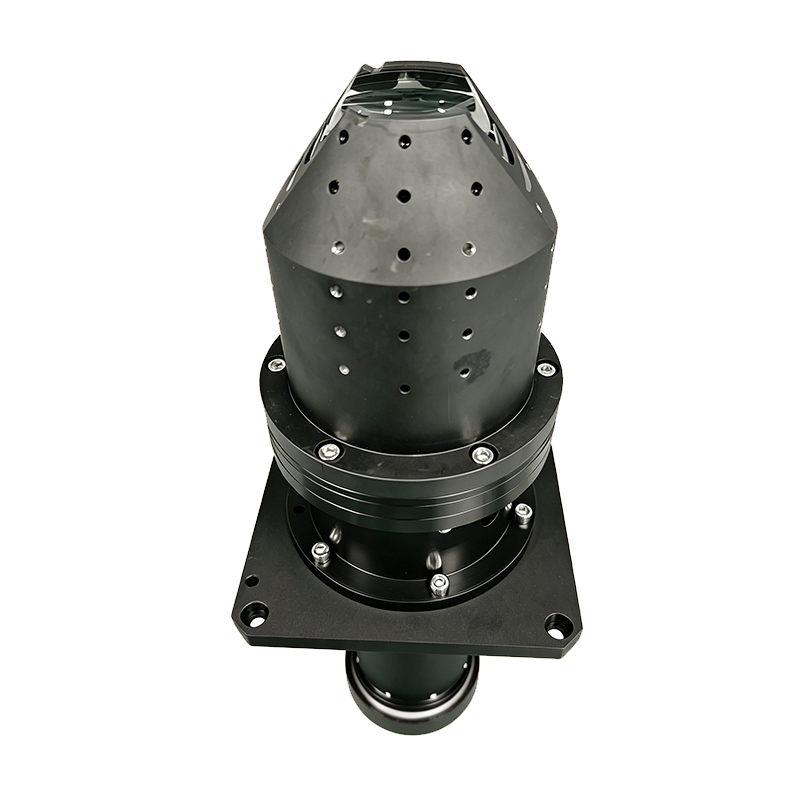
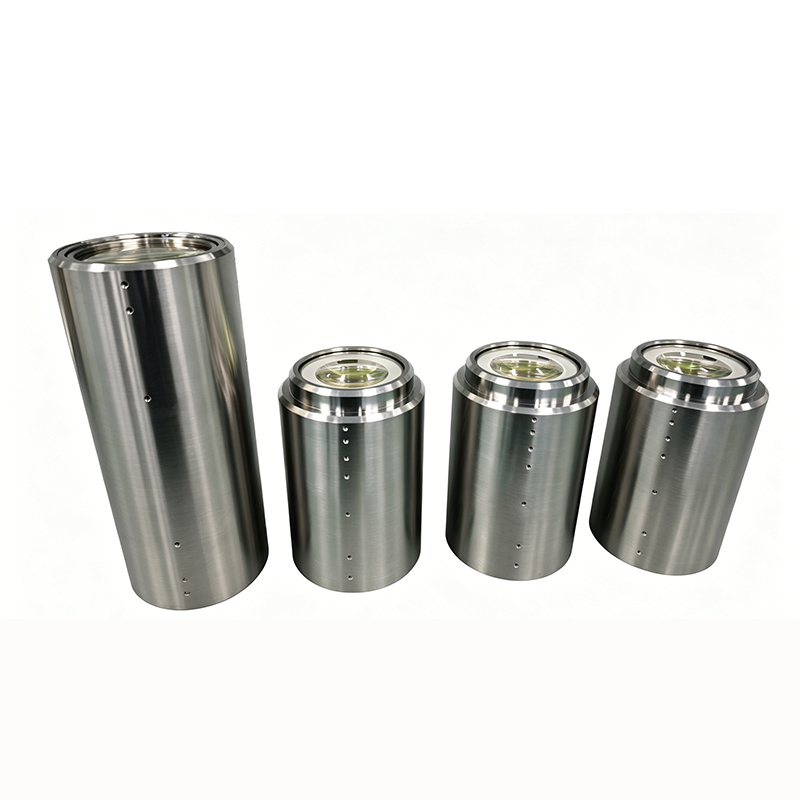
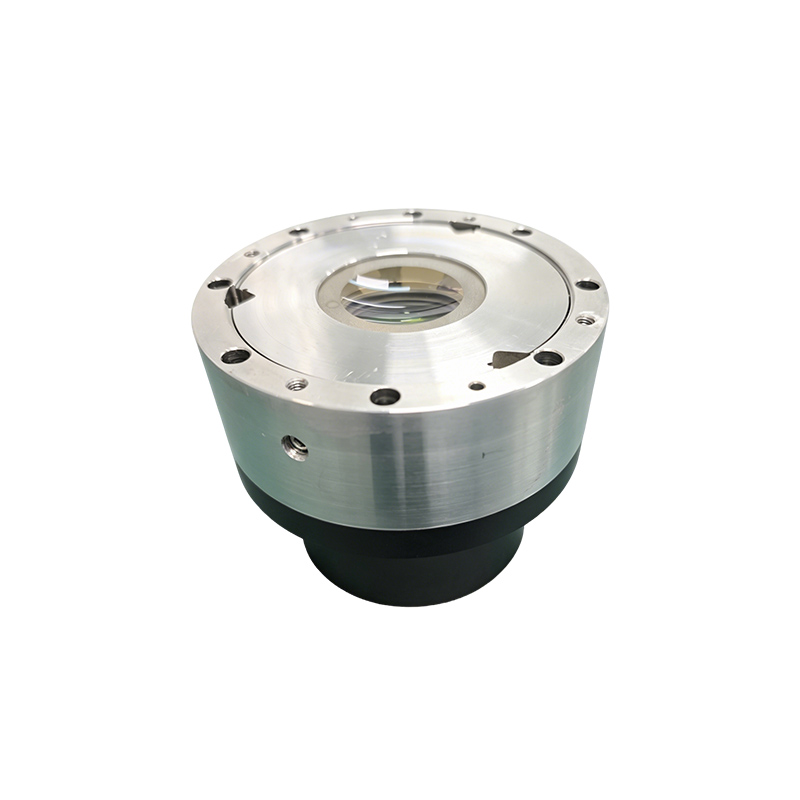
The 266 nm UV objective lens is a high-precision core optical component custom-designed for the **266 nm deep ultraviolet (DUV) band** (the fourth harmonic of an Nd:YAG laser). It is mainly applied in DUV laser precision machining, high-end microscopic observation, lithography assistance and other scenarios. With exclusive high resolution, high transmittance and high laser resistance in the deep ultraviolet band, it breaks through the performance limitations of visible-light objectives and serves as a key device for precise focusing and clear imaging in deep ultraviolet optical systems.
## I. Core Definition and Band Positioning
266 nm falls within the deep ultraviolet (DUV) band, with a wavelength approximately half that of visible light. This objective takes 266 nm as its primary working wavelength and is compatible with 355 nm (near-UV) for auxiliary observation. It is specially optimized for the propagation characteristics and application requirements of deep ultraviolet light. Unlike ordinary UV objectives, it focuses on solving three core challenges: high material absorption of DUV light, great difficulty in aberration correction, and high risk of laser damage.
**Optical Type**: Mainly adopts an **infinity-corrected Plan Apochromatic (Plan APO)** design. Some versions are specialized for high numerical aperture (HR) and long working distance (LWD) to meet different application requirements.
**Core Positioning**: Focuses 266 nm DUV laser to achieve sub-micrometer machining, or performs high-resolution observation and inspection on DUV-sensitive samples such as photoresist and biological fluorescent samples.
**Core Advantage**: Compared with 355 nm UV objectives, the resolution is improved by more than 30%, enabling finer micro-nano structure machining and observation.
## II. Key Technical Features
### 1. Optical Design and Aberration Correction
According to the optical characteristics of the 266 nm DUV band, dedicated apochromatic correction technology is adopted to fully compensate for chromatic aberration, spherical aberration, coma and field curvature of deep ultraviolet light, ensuring clear imaging and precise focusing across the entire field of view without edge distortion or blurring.
- **High Numerical Aperture (NA)**: NA ranges from 0.5 to 0.8, a core index determining resolution. At 266 nm, the theoretical resolution reaches **0.24 μm** at NA = 0.8, meeting the requirements of sub-micrometer micro-nano machining and observation.
- **Infinity Conjugate Design**: Compatible with microscope bodies, laser scanning systems and galvanometer components. It can be flexibly matched with tube lenses and high-resolution cameras to realize integrated "machining + real-time observation".
- **Working Distance Adaptation**: Standard WD is 3–12 mm, and long-working-distance models can reach over 50 mm, suitable for thick samples and machining scenarios with protective glass, avoiding damage caused by direct contact between the objective and the sample.
### 2. Material and Coating Technology
Deep ultraviolet light is easily absorbed by ordinary optical glass. Therefore, the 266 nm UV objective uses dedicated solutions in materials and coatings to ensure high transmittance and laser durability.
- **DUV High-Transmission Materials**: Uses **fused silica (SiO₂) or calcium fluoride (CaF₂)** and other DUV-specific materials, with transmittance ≥ 60% at 266 nm, effectively reducing optical energy loss and preventing material heating and aging caused by UV absorption.
- **Laser Damage-Resistant Coating**: Coated with multilayer DUV anti-reflection (AR) coating, which optimizes transmittance at 266 nm and raises the laser-induced damage threshold, typically ≥ 0.1 J/cm² (10 ns pulse). It is compatible with high-power 266 nm pulsed lasers and prevents coating peeling or lens cracking.
- **Non-Cemented Structure**: High-end models adopt air-spaced non-cemented lens design, eliminating aging and yellowing of cemented layers under DUV and high-power laser irradiation, extending service life and improving optical stability.
### 3. Resolution and Imaging Performance
- **Theoretical Resolution**: Based on the Rayleigh criterion, the resolution formula at 266 nm is σ = 0.61λ/NA. At NA = 0.8, σ ≈ 0.24 μm, enabling clear observation of sub-micrometer micro-nano structures, semiconductor wafer defects, etc.
- **Multi-Band Compatibility**: Selected models support dual-band correction for 266 nm (machining) + 355 nm/532 nm (observation), realizing synchronous laser machining and real-time coaxial imaging to improve process accuracy and inspection efficiency.
- **Large Sensor Compatibility**: Supports C-mount, CS-mount and M4/3-mount interfaces, compatible with 1/2-inch to 1.2-inch high-resolution CMOS/CCD cameras (pixel size ≤ 2 μm), meeting high-resolution imaging and inspection requirements.