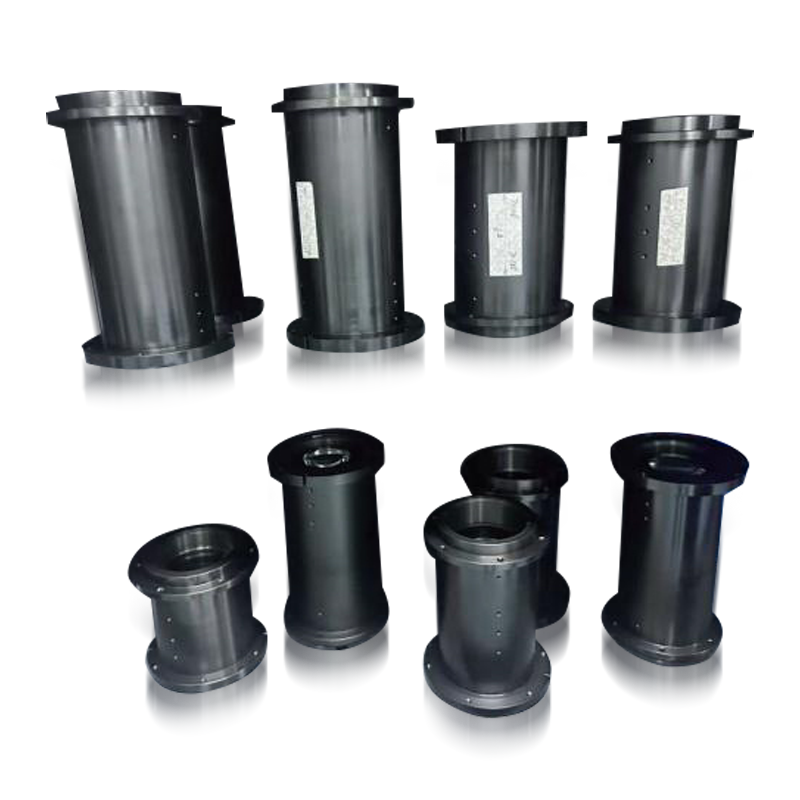
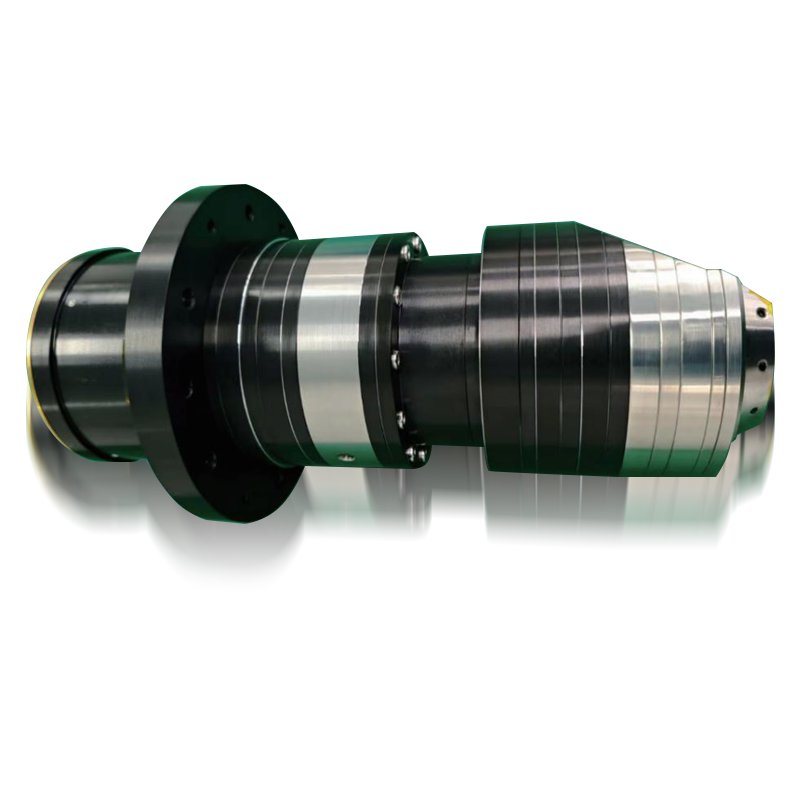
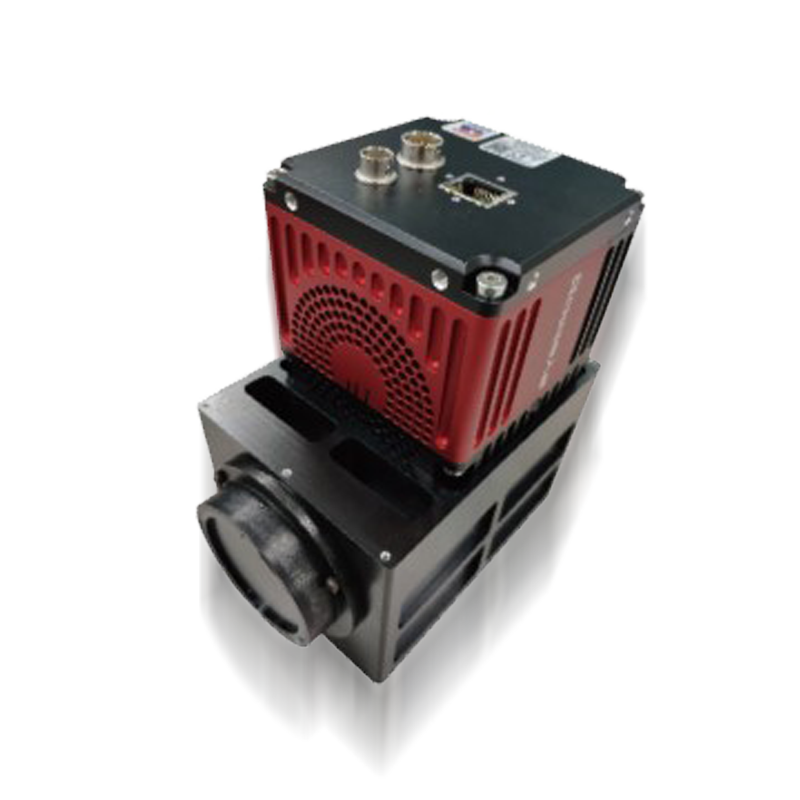
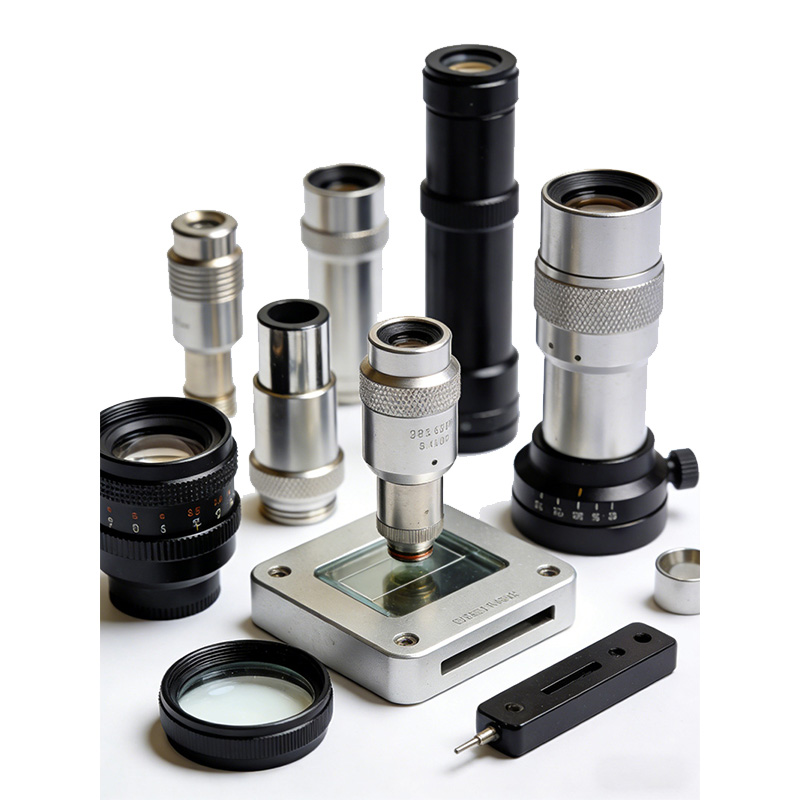
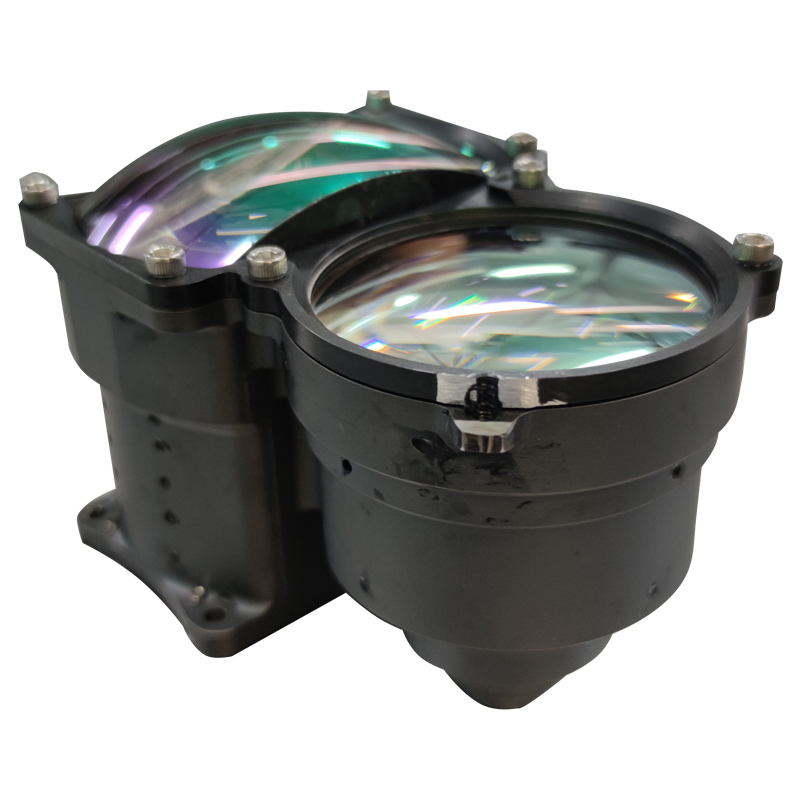
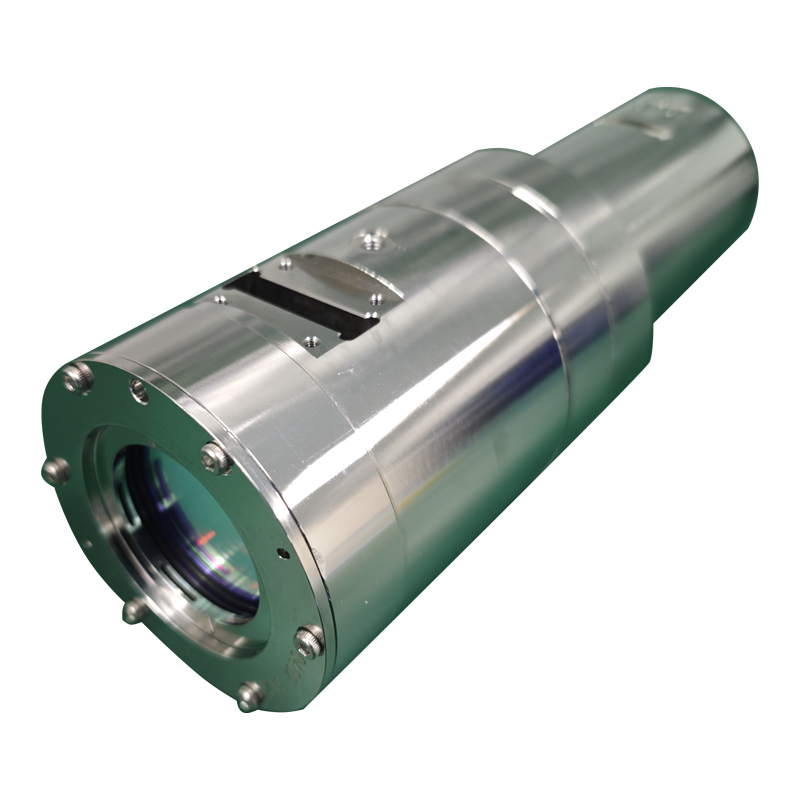
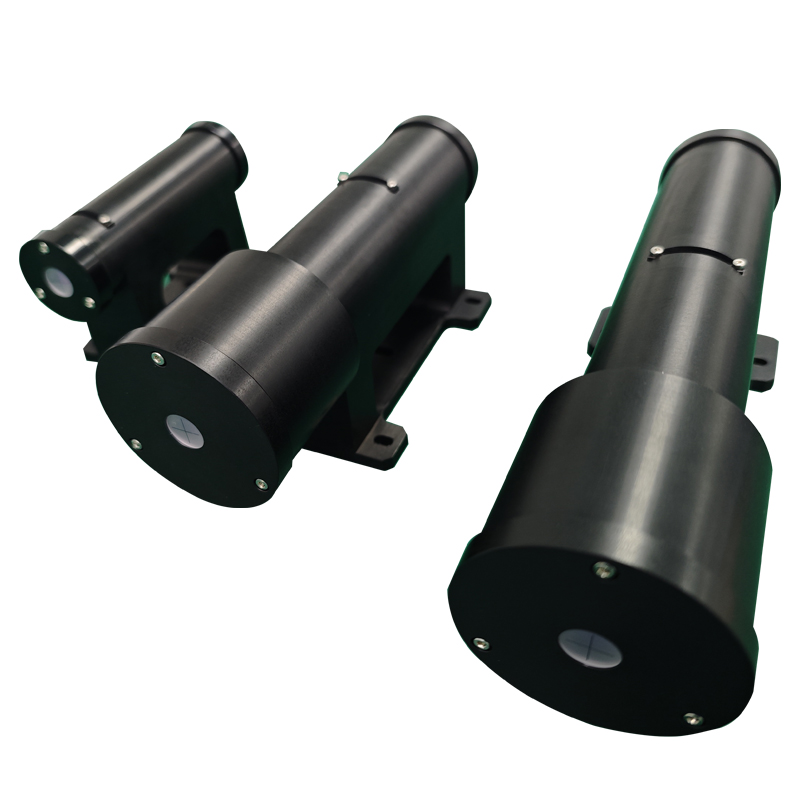
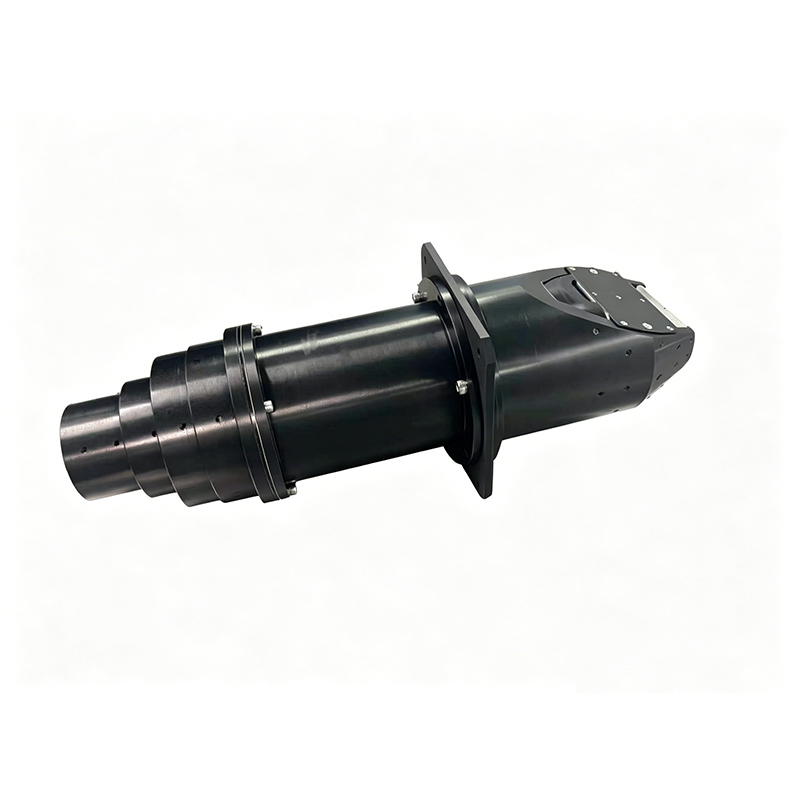
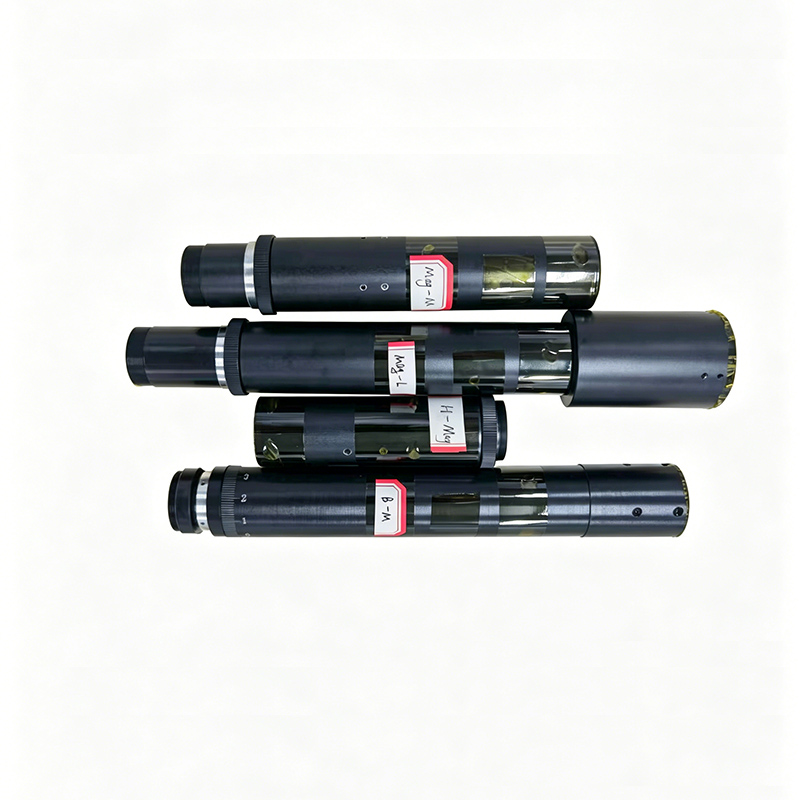
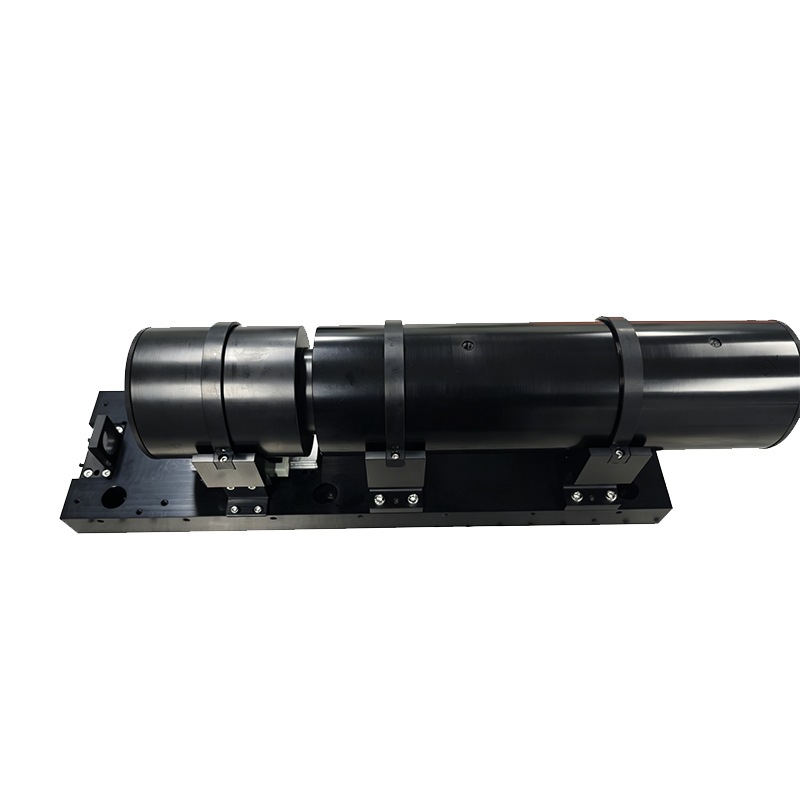
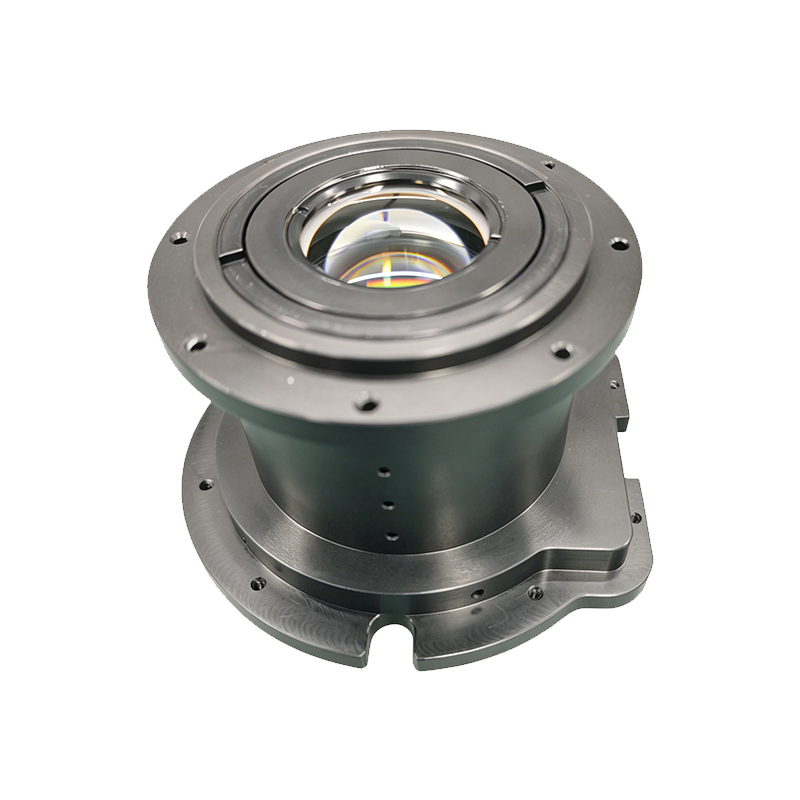
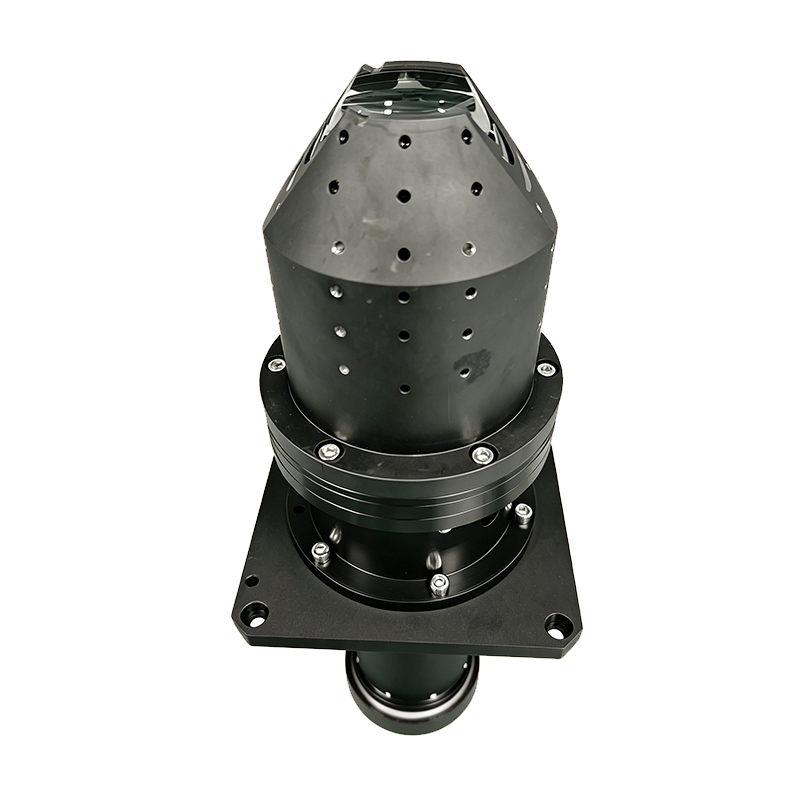
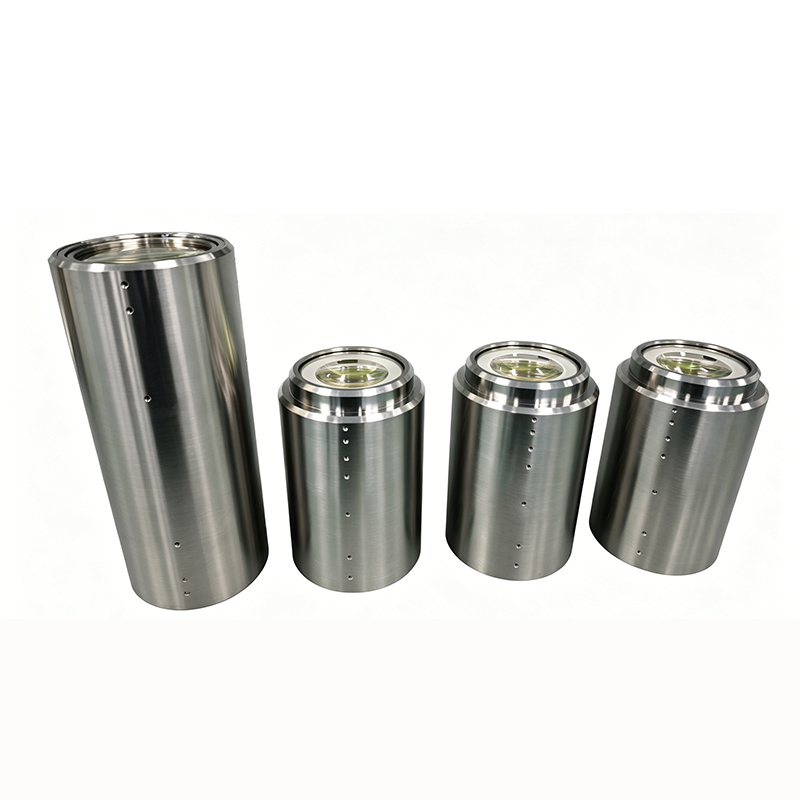
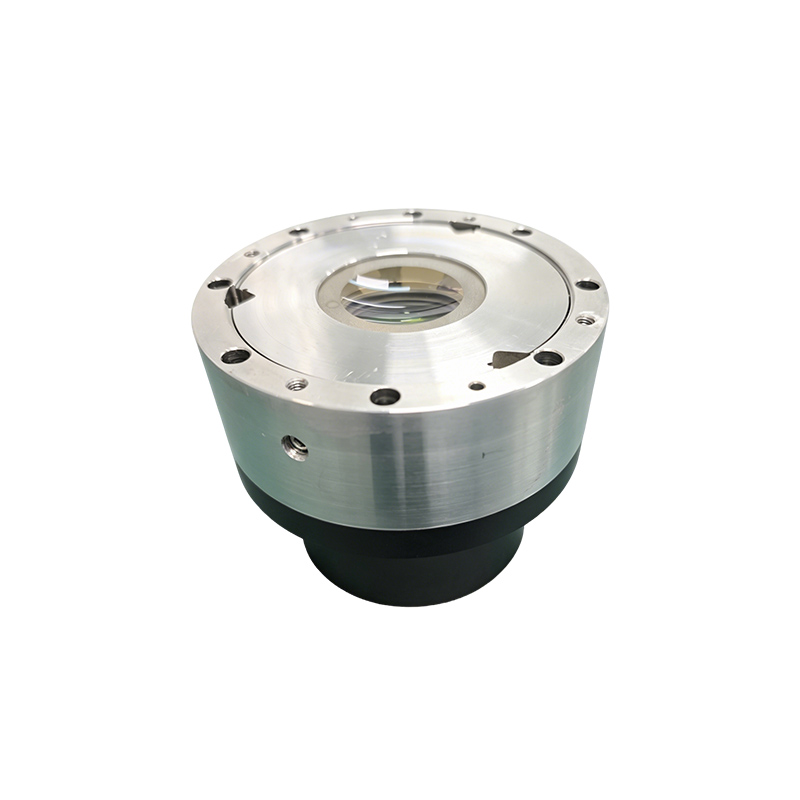
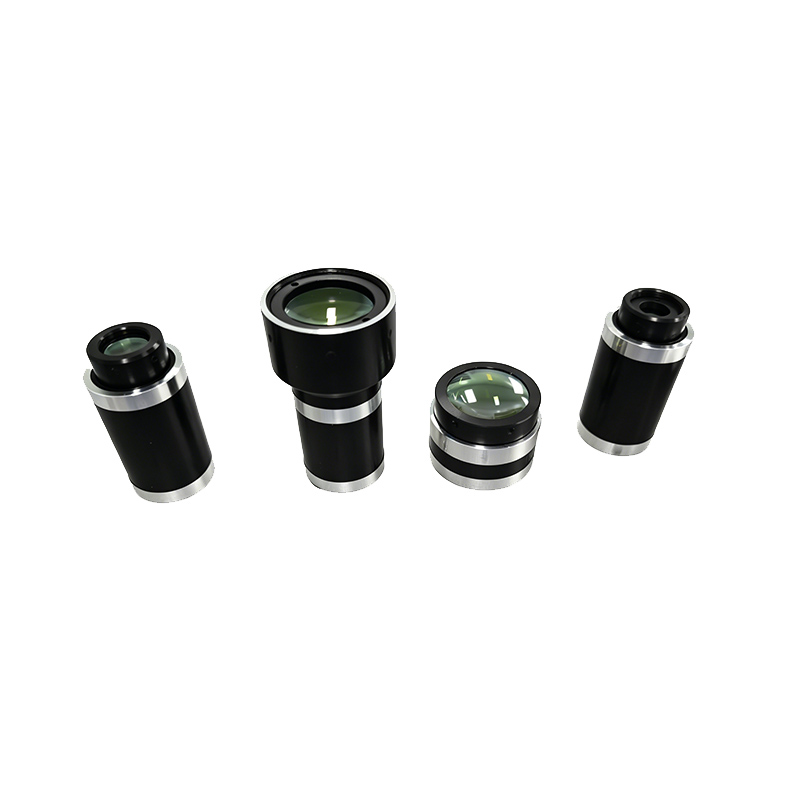
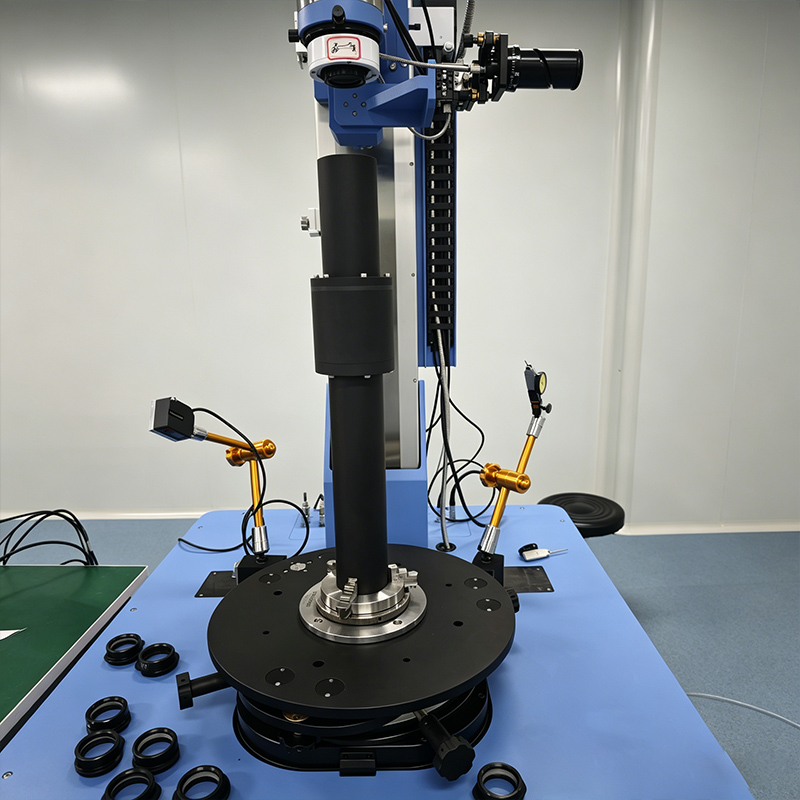
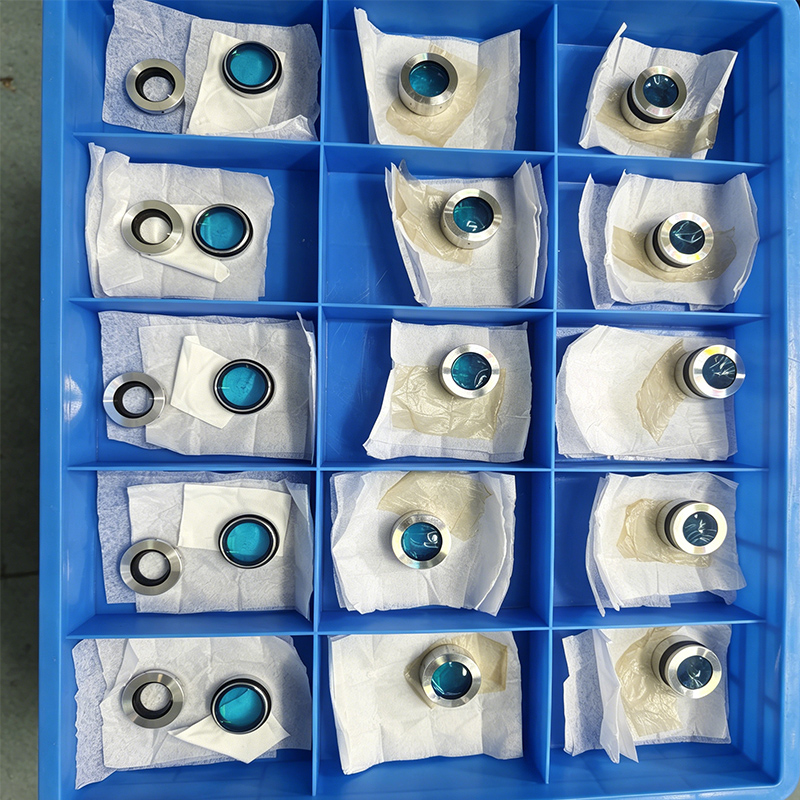
It is a precision optical device with an integrated lens barrel structure. Its core function is to convert divergent light beams into parallel (quasi-parallel) light, or conversely converge parallel light beams. It is widely used in optical measurement, laser systems, and optical communications.
## I. Core Definition and Working Principle
Definition: Collimator tube = optical lens (lens / mirror) + precision lens barrel + adjustment / fixing mechanism. When the light source is placed at the focal point of the lens, the output light is strictly parallel. Reflective types use parabolic mirrors; light emitted from the focal point forms a parallel beam after reflection.
Principle: Transmissive types are based on the law of refraction in geometric optics; reflective types follow the law of reflection. The core is focal point-parallel light conversion, which can operate bidirectionally (parallel light → focusing, divergent light → collimation).
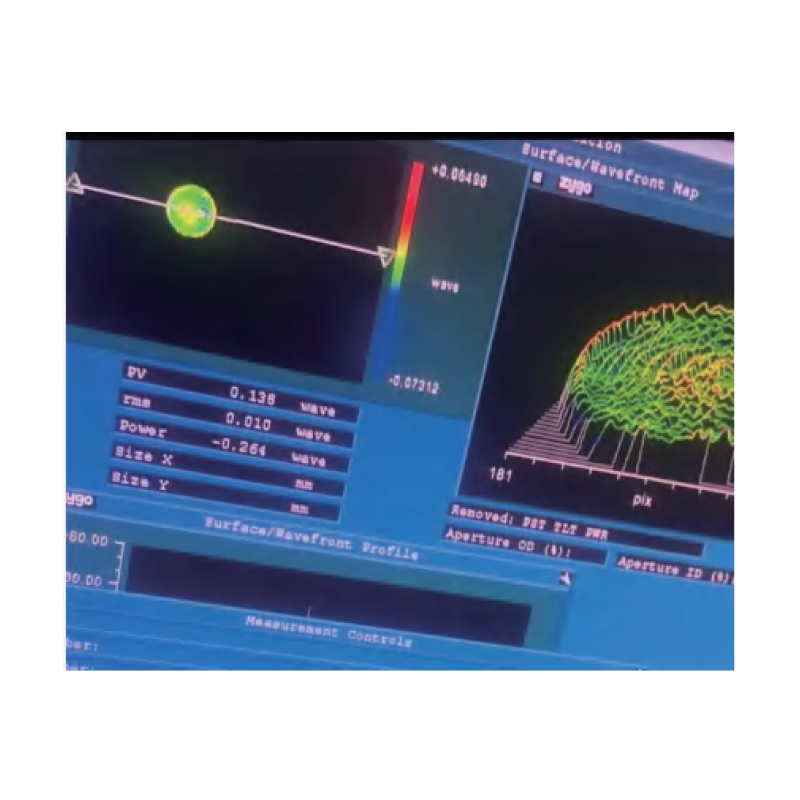
Key indicators: operating wavelength, focal length, divergence angle, transmittance / reflectivity, wavefront error, clear aperture, mechanical accuracy.
## II. Common Types and Structures
Transmissive type (lens type): single lens (low cost, with aberrations), cemented doublet / achromatic lens (reduces chromatic aberration, suitable for visible light), aspherical lens (free of spherical aberration, ideal for lasers). The lens barrel is mostly made of aluminum alloy / stainless steel, with threaded focusing and sealed dustproof design. Materials include optical glass, fused silica, zinc selenide (for CO₂ lasers).
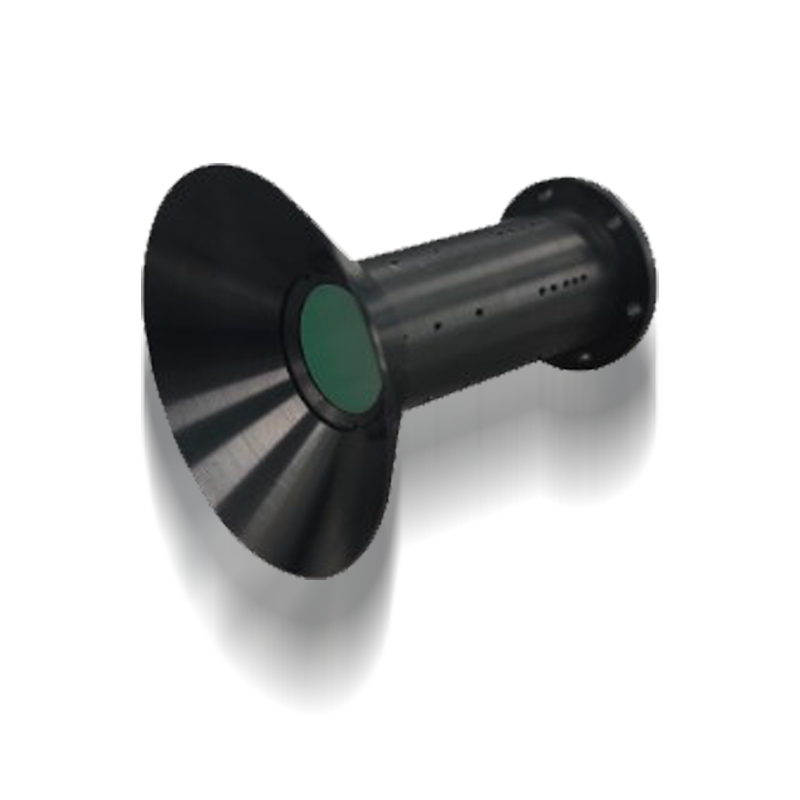
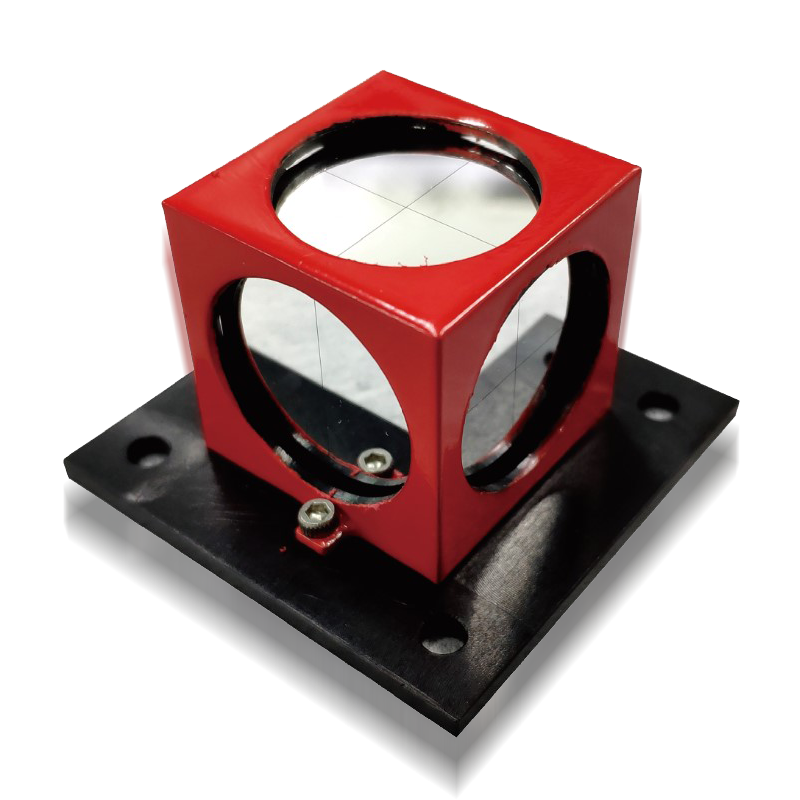
Reflective type (mirror type): mainly parabolic mirrors, suitable for infrared / high-power lasers (avoids material absorption). Structures can be coaxial / off-axis. Commonly used in astronomy, lidar, and high-power laser systems.
Reflective Collimator
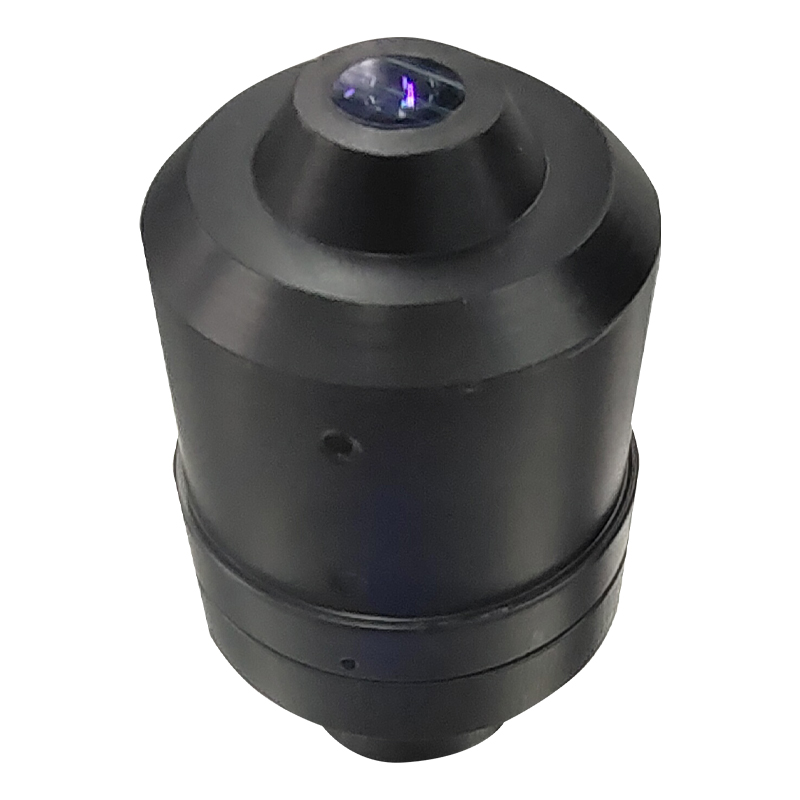
Fiber Collimator Tube: Integrated structure of fiber ferrule + lens + sleeve, used for fiber-free space coupling with interfaces such as SMA905, widely applied in optical communication modules and spectrometers.
Fiber Collimator Tube
## III. Core Features and Advantages
Stable beam direction with minimal change in spot size during long-distance transmission;
Precise control over divergence angle to improve measurement / transmission efficiency;
Compact structure, integrable inside instruments with strong anti-interference capability;
High-quality coated versions achieve reflectivity / transmittance over 99% in specific bands with low loss.
## IV. Typical Application Fields
Laser processing: laser cutting, welding, marking, used with beam expanders to ensure small focused spots and concentrated energy;
Optical measurement: interferometers, theodolites, laser rangefinders, providing reference parallel light and eliminating parallax errors;
Optical communications: fiber coupling, optical switches, wavelength division multiplexers, enabling efficient optical path connection;
Scientific instruments: spectrometers, microscopes, telescopes, lidar systems;
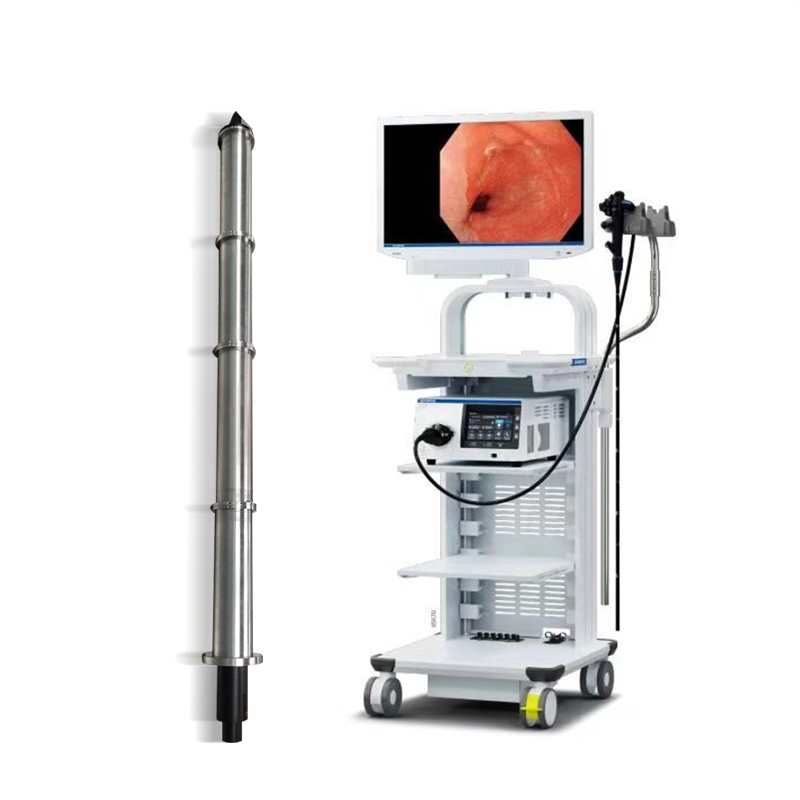
Medical equipment: laser therapy, endoscopes, optical coherence tomography (OCT).
## V. Selection and Usage Guidelines
Clarify the operating wavelength (avoid loss / damage caused by coating mismatch);
Determine focal length and clear aperture to match beam diameter and divergence angle;
Choice between transmissive / reflective type: reflective type preferred for high-power lasers; transmissive type for visible light / low-power lasers;
Environmental requirements: sealed, temperature-resistant and corrosion-resistant materials for high-temperature / humid environments;
Ensure coaxial optical axis during installation to avoid introducing aberrations and energy loss.