# 400–1000 nm Hyperspectral Imaging Lens
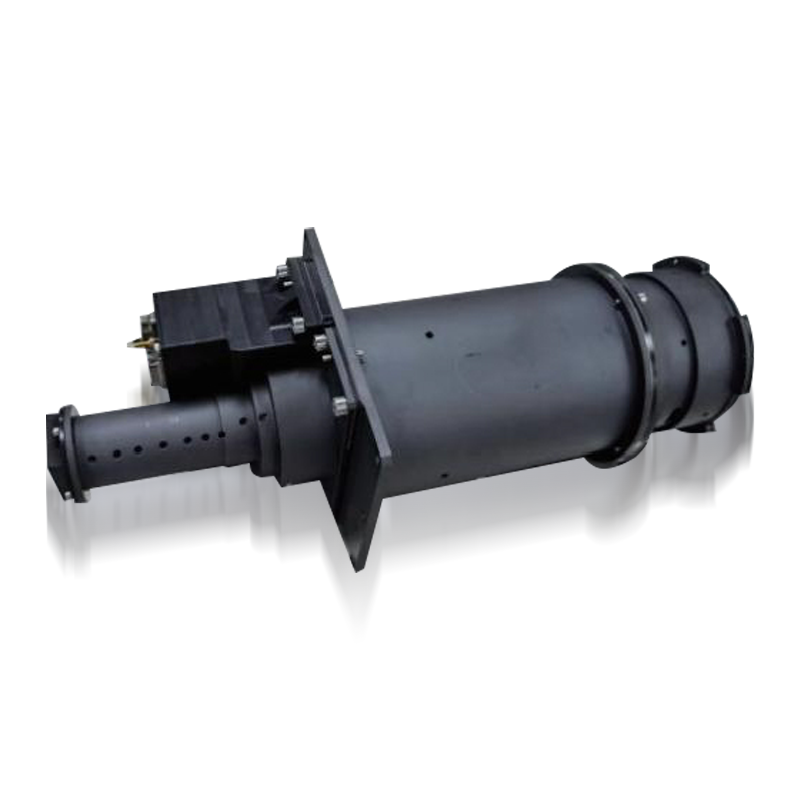
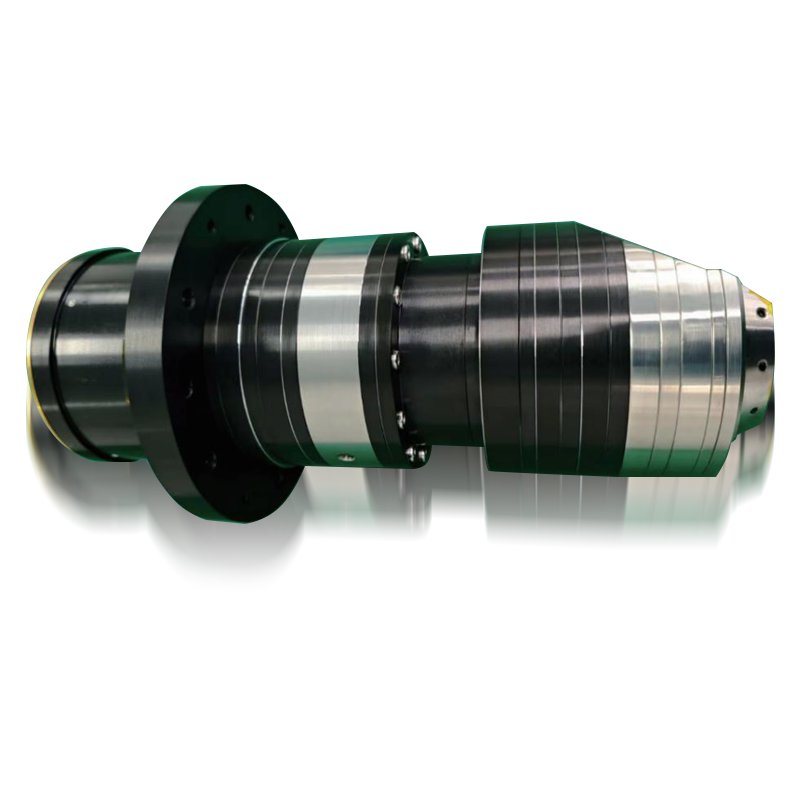
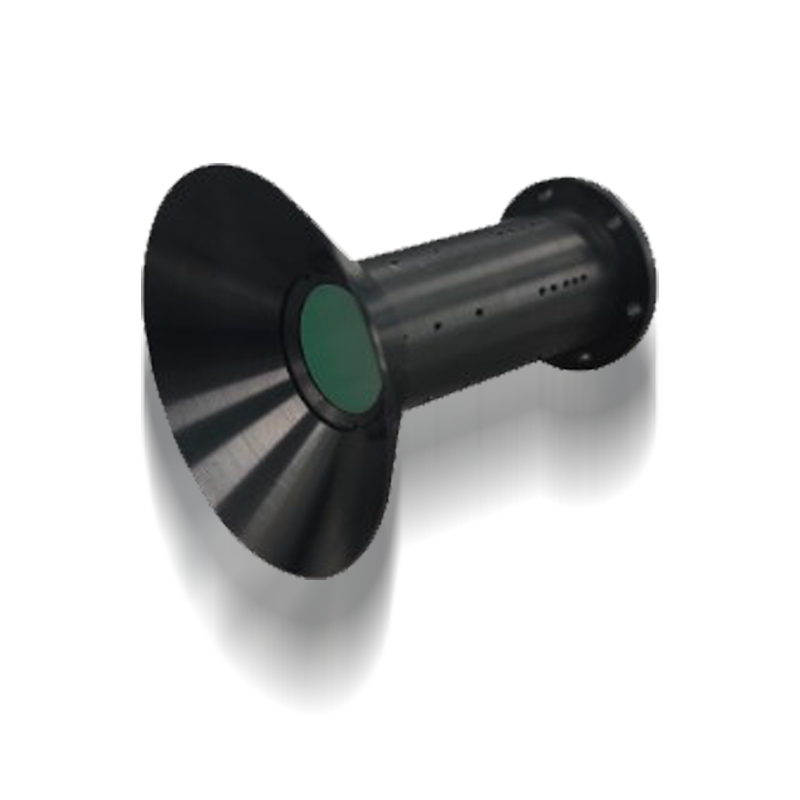
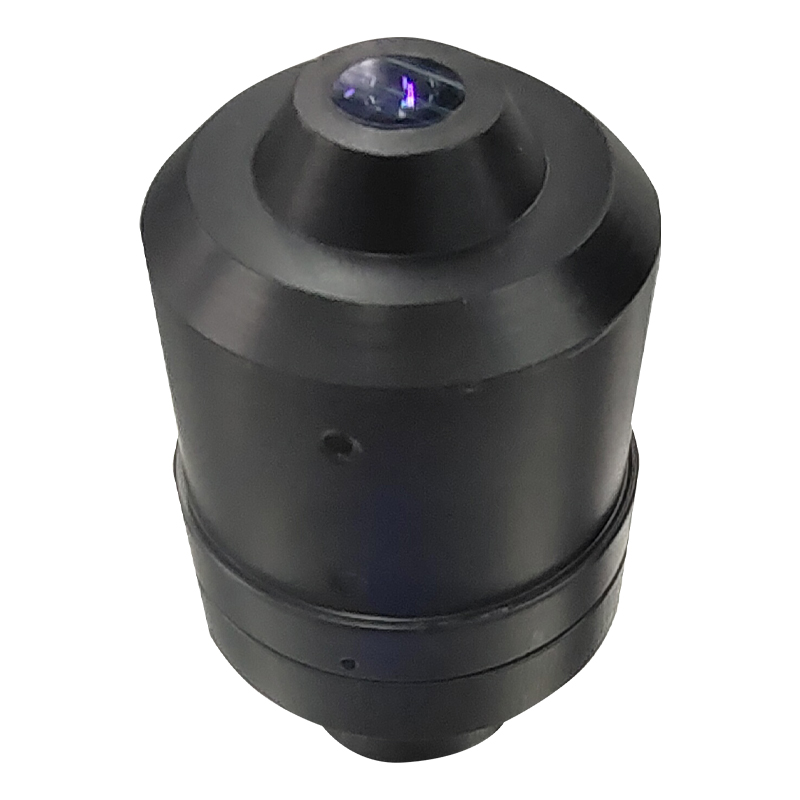
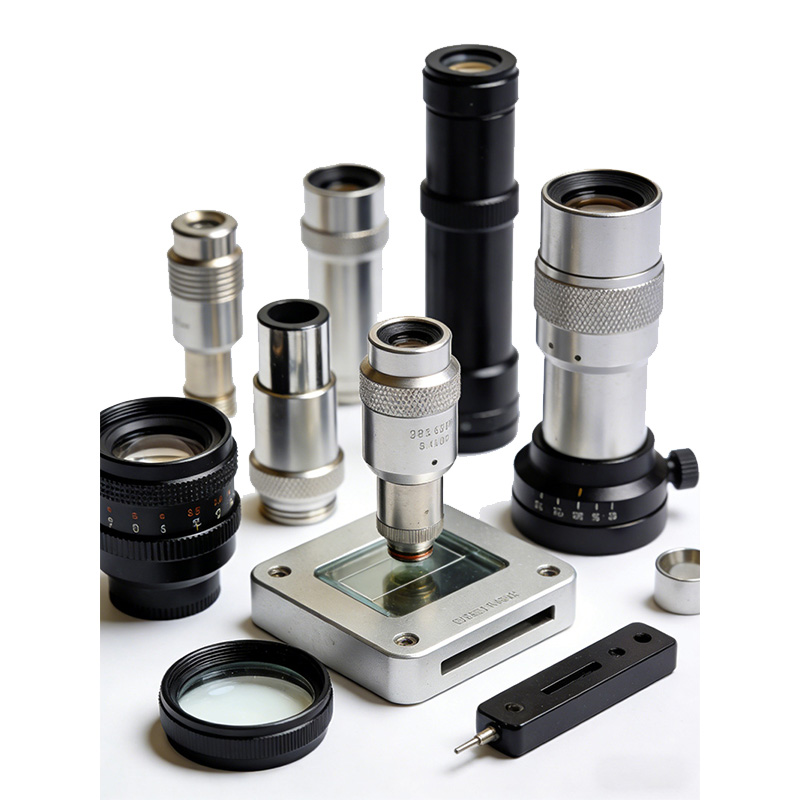
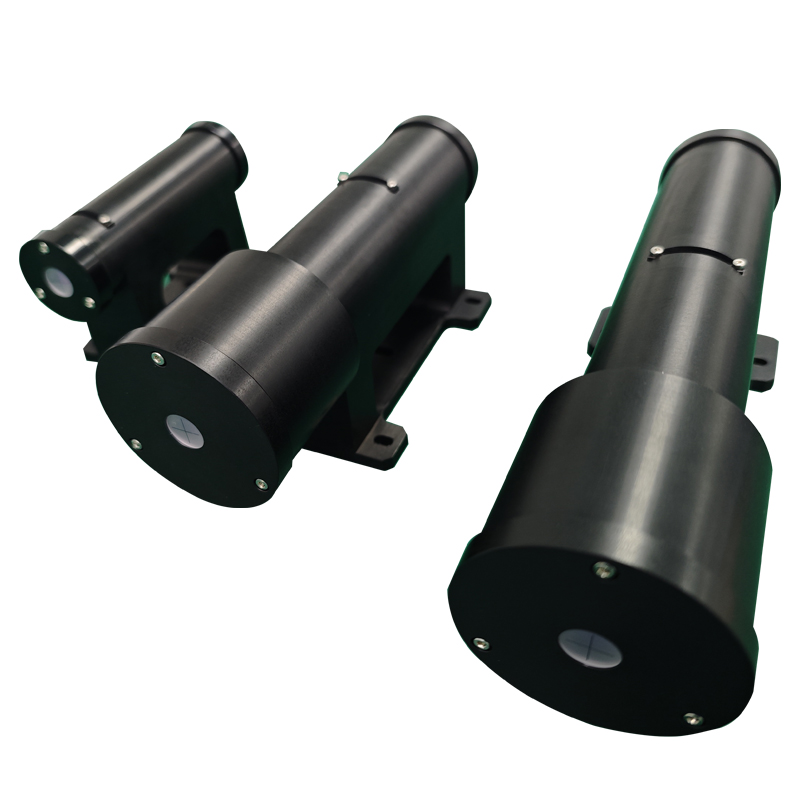
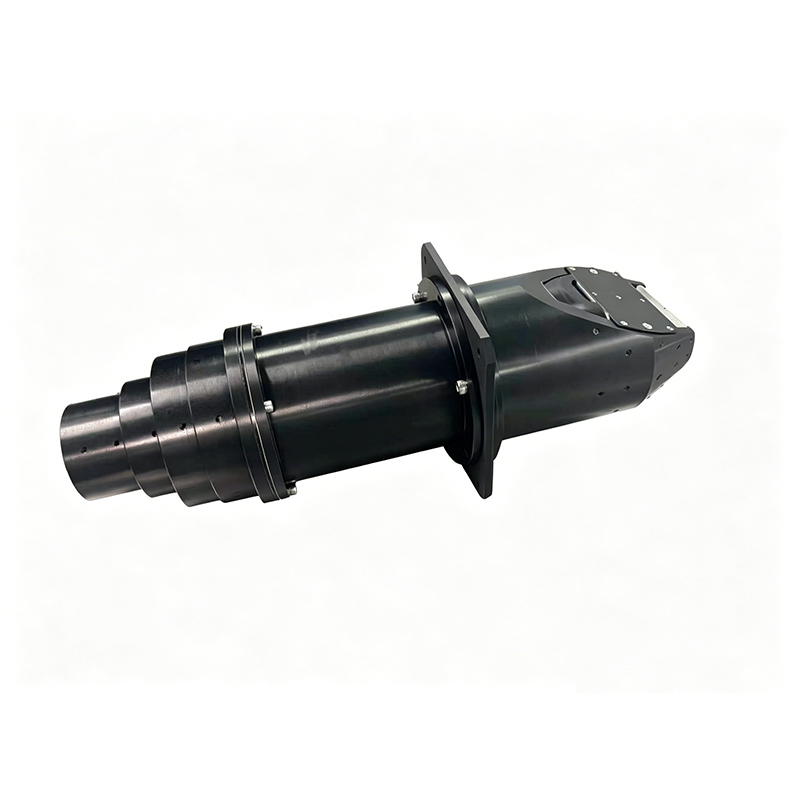
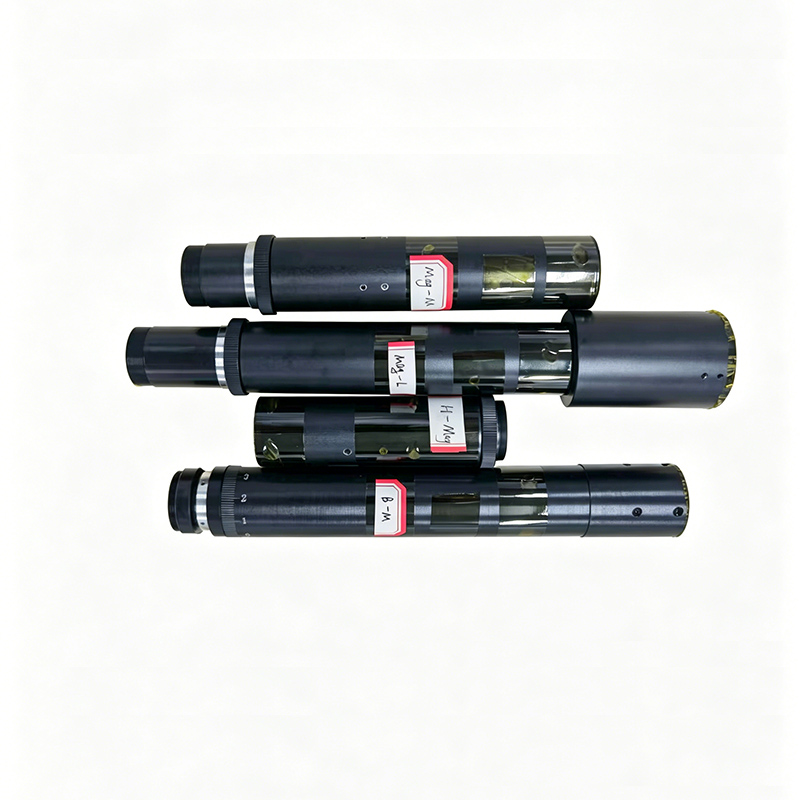
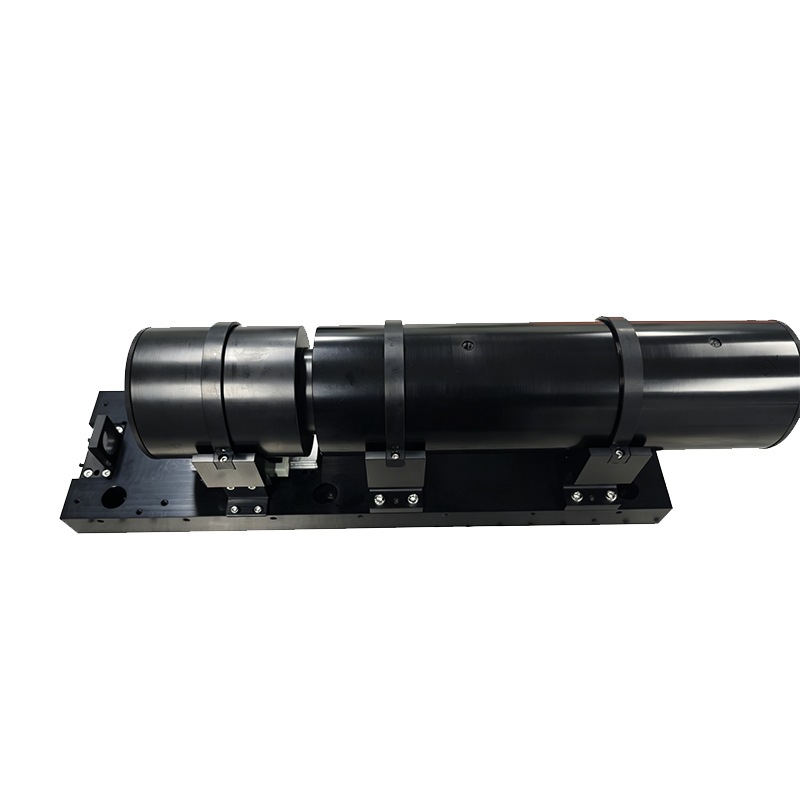
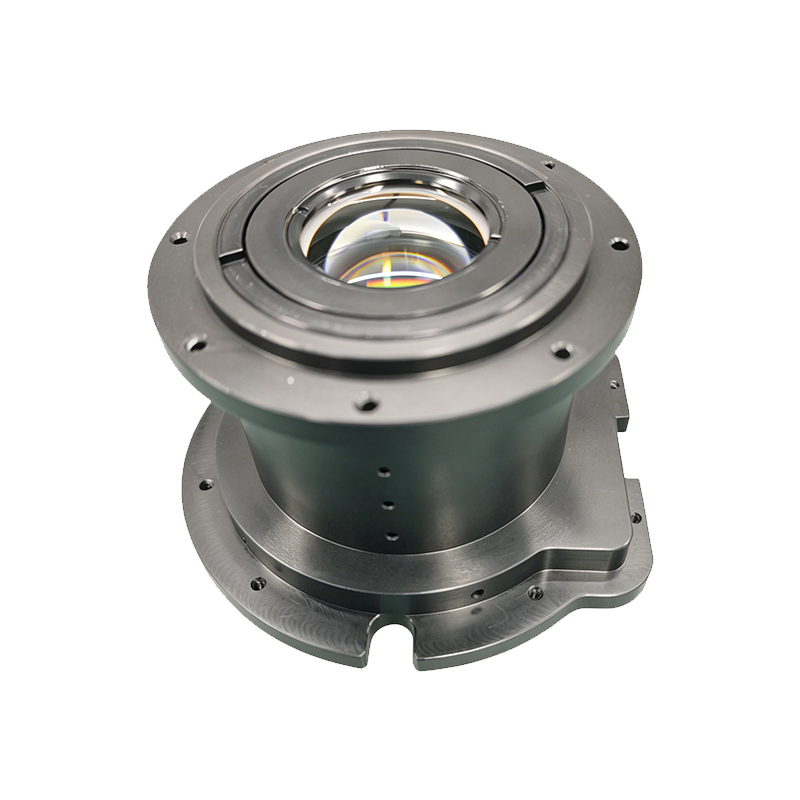
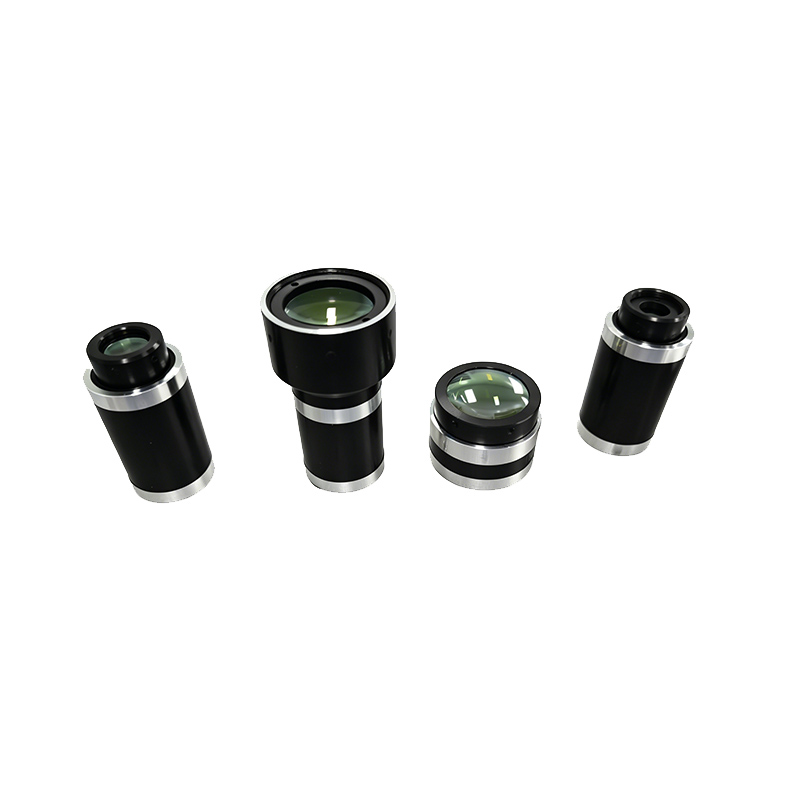
The 400–1000 nm hyperspectral imaging lens is a precision core optical component designed for the visible-near-infrared band, suitable for hyperspectral imaging systems. Its core function is to accurately acquire optical signals in the continuous band from 400 nm (visible light) to 1000 nm (near-infrared), synchronously capturing two-dimensional spatial images and spectral information of targets. By restoring the unique "spectral fingerprint" of substances, it enables refined analysis from "observing appearance" to "analyzing essence". As a key optical support for hyperspectral detection, remote sensing mapping, scientific research and exploration, it is widely used in industrial quality inspection, smart agriculture, environmental monitoring, cultural relic protection and other scenarios, featuring high resolution, high transmittance and wide-band compatibility.
## I. Core Technical Parameters (Industry Mainstream Standards)
- **Spectral range**: 400–1000 nm, fully covering the visible (400–760 nm) and near-infrared (760–1000 nm) regions. It precisely matches the spectral response range of most substances, balancing color information capture and component analysis. The 680–760 nm red-edge band can sensitively detect vegetation growth status, serving as a key monitoring band for agriculture.
- **Spectral resolution**: 2–3 nm (FWHM), with continuous and gap-free bands. It captures subtle spectral differences to identify materials, components and micro-defects invisible to the naked eye, achieving a qualitative leap in detection accuracy over traditional RGB three-band and discrete multispectral imaging.
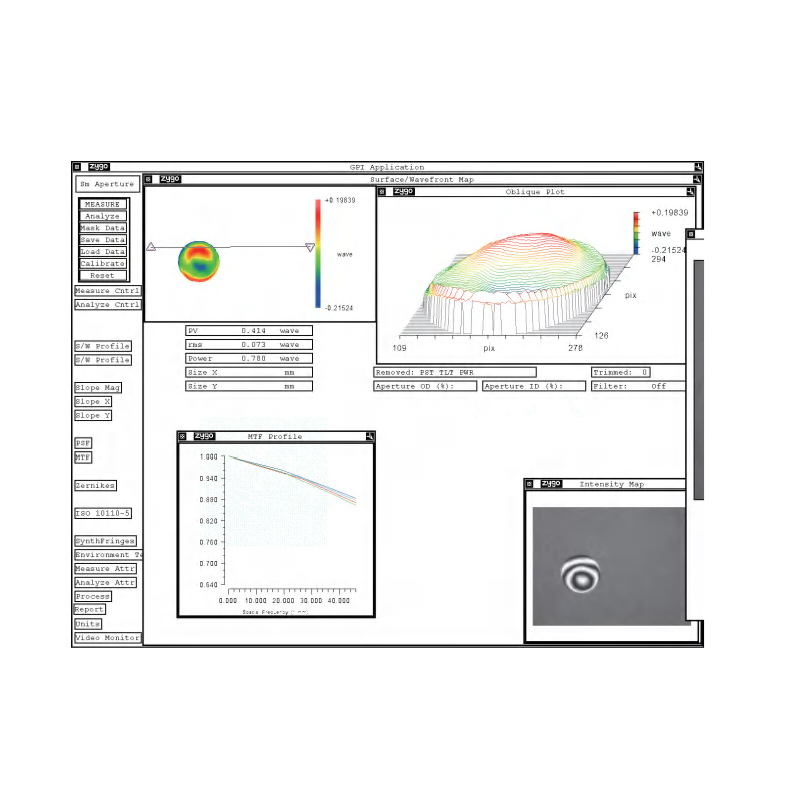
- **Optical performance**: Broadband anti-reflection coating ensures full-band transmittance ≥ 92%, and over 95% for high-end models, with no polarization dependence and stable total efficiency. Stray light ≤ 0.5%. Multi-stage shading, internal surface extinction and optimized apertures effectively suppress stray light and ensure imaging quality in low-light conditions.
- **Imaging parameters**: Spatial pixels up to 1775–2184, RMS spot size < 9 μm, distortion ≤ 0.1%, guaranteeing sub-pixel accuracy for centroid positioning and spectral imaging. Relative aperture F/2.4–F/4.0, field of view 10°–60°, suitable for push-broom imaging to support both large-area coverage and micro-detail detection.
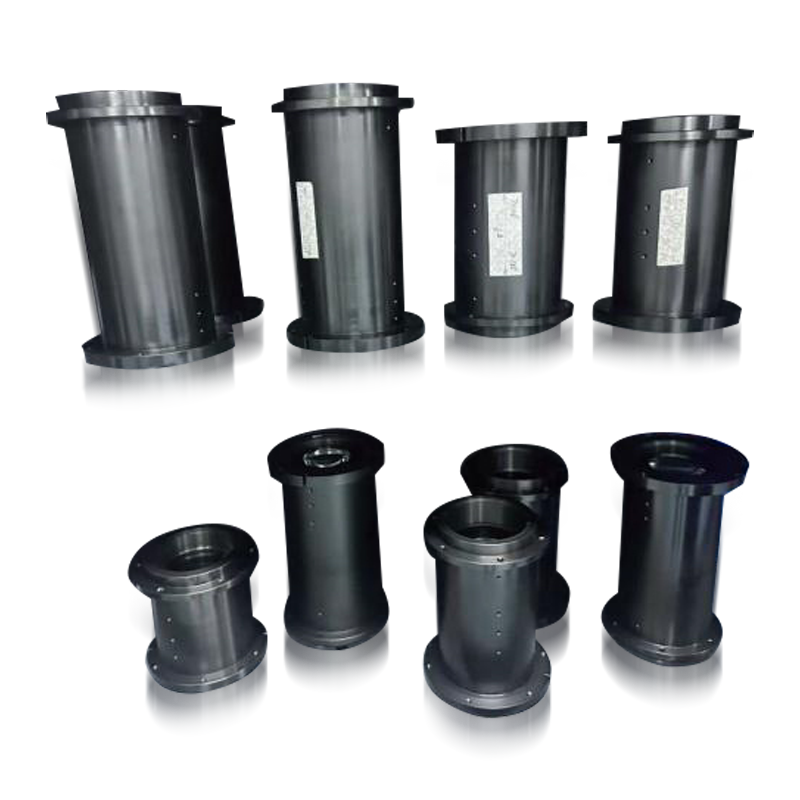
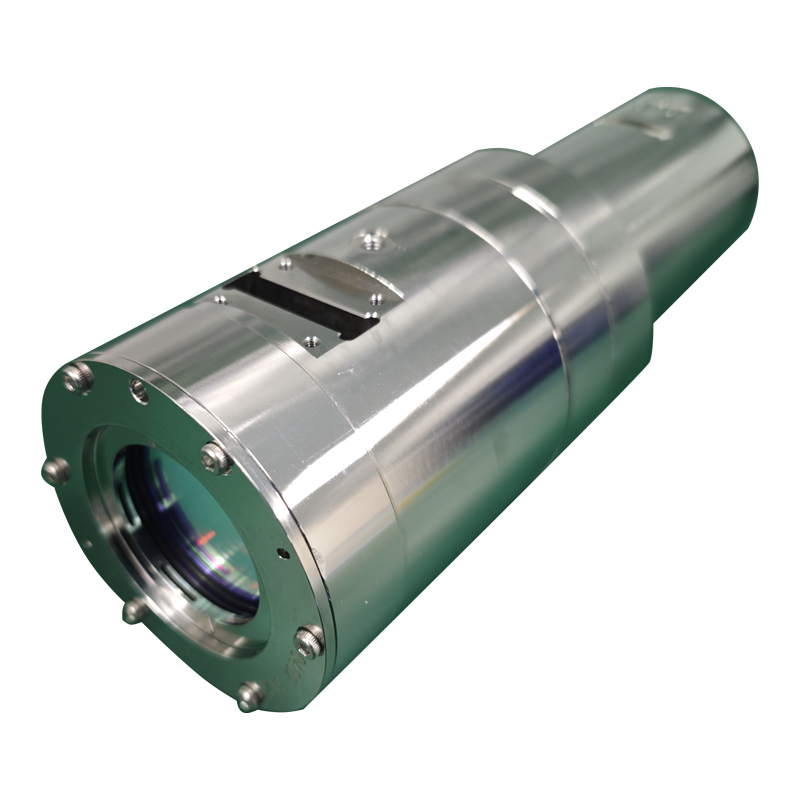
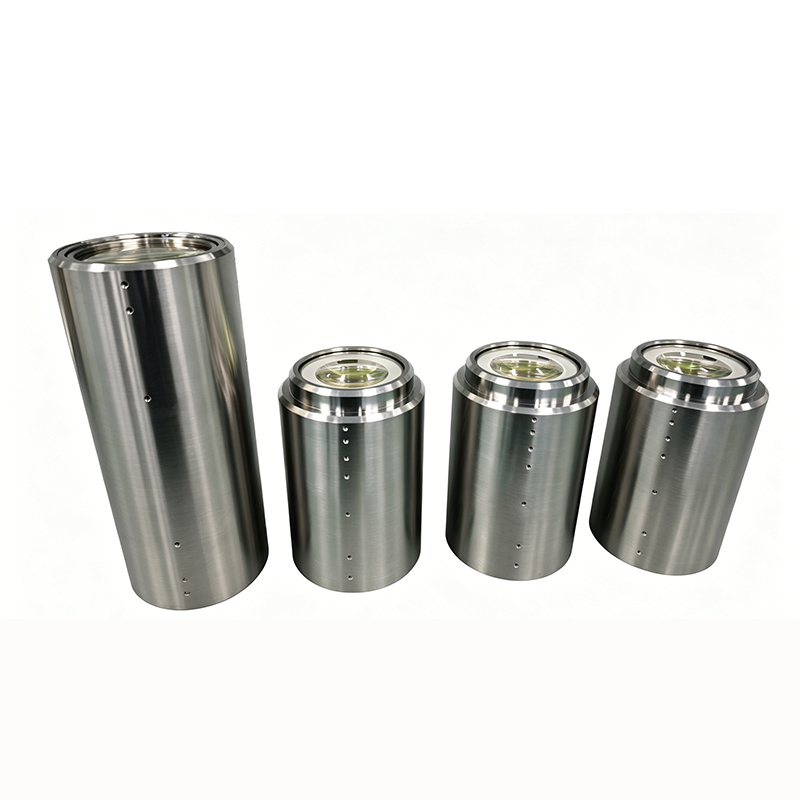
- **Environmental adaptability**: Operating temperature −10 °C to +50 °C, storage temperature −20 °C to +50 °C, stable in non-condensing environments. Anodized aluminum alloy barrel, lightweight design (OEM models down to 1.8 kg), vibration and shock resistant, suitable for laboratory, airborne, handheld and UAV-mounted applications.
## II. Core Structure and Design Advantages
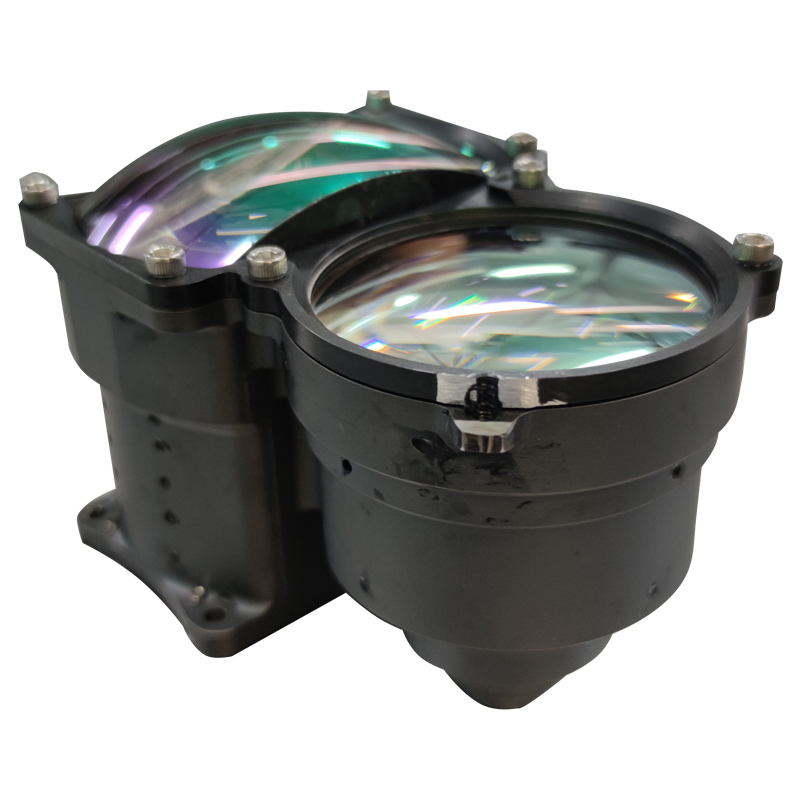
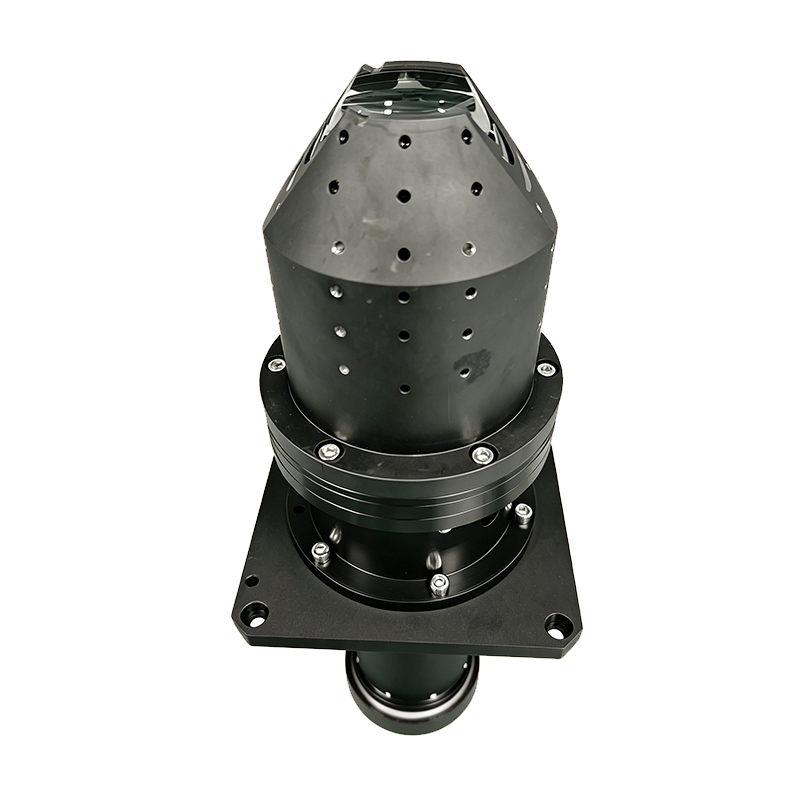
The 400–1000 nm hyperspectral imaging lens adopts a modular design, composed of multiple spherical/aspherical optical elements, mainly in transmissive structure. Some high-end models integrate diffraction gratings or prismatic spectroscopic components for push-broom imaging. The optical system disperses broadband mixed light into monochromatic light of different frequencies projected onto the detector to form a "data cube", realizing synchronous acquisition of spatial and spectral information.
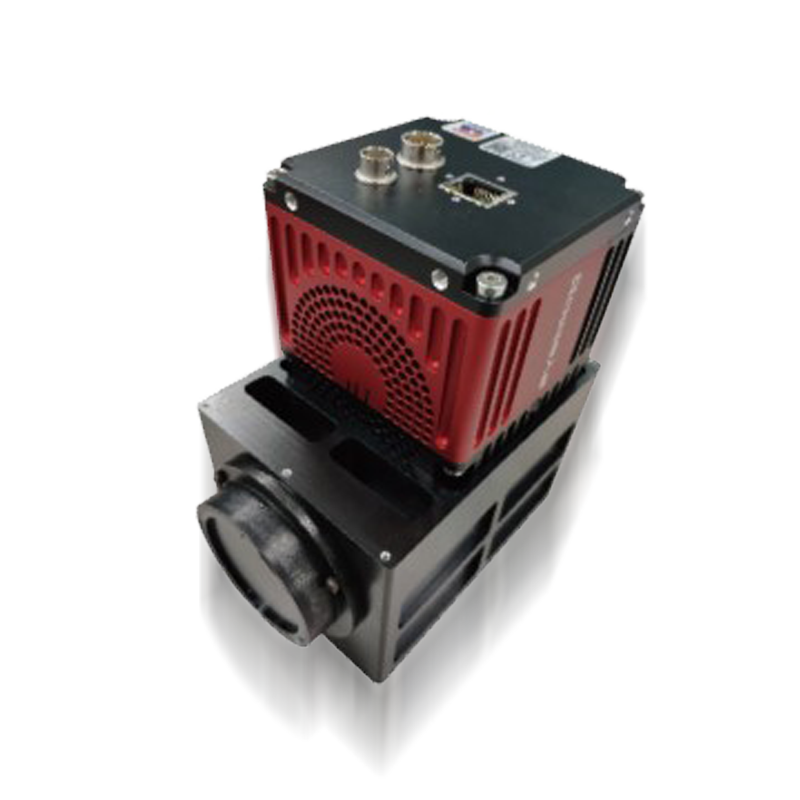
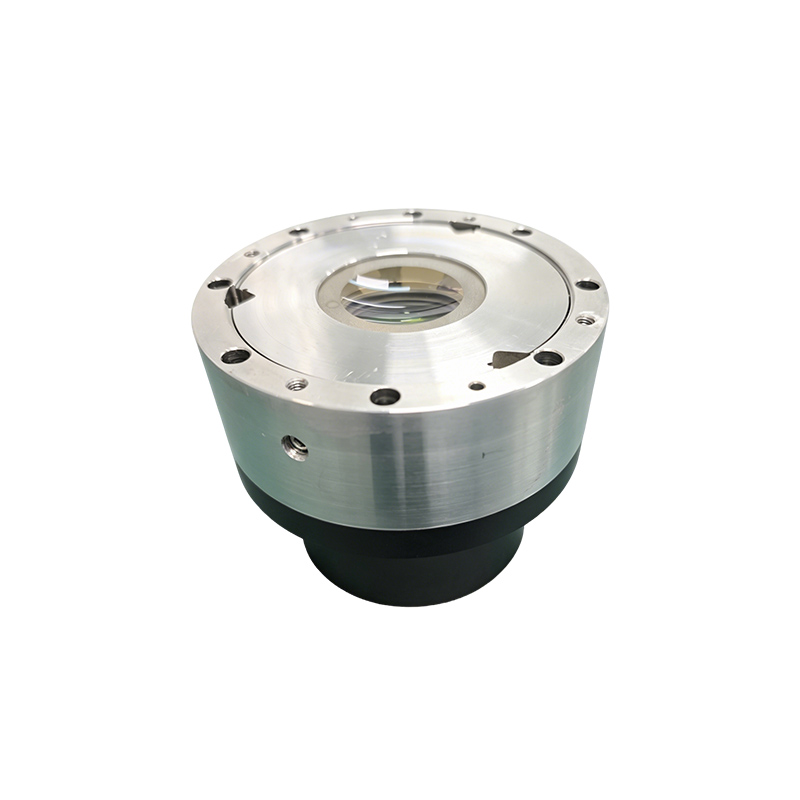
The design balances precision and practicality. Front-stop design reduces stray light interference. Optimized coating technology minimizes reflection loss and avoids spectral distortion. Athermal design ensures imaging consistency over a wide temperature range. The sealed barrel is dustproof and anti-fog for extended service life. It supports industry-standard interfaces such as C-mount, flexibly matching CMOS/sCMOS detectors and most hyperspectral systems. Some models support spectral merging and multi-ROI selection for diverse detection requirements.
## III. Core Features
- **Image-spectrum integration**: Synchronously acquires spatial images and continuous spectral data, enabling non-contact, non-destructive qualitative and quantitative analysis without additional equipment, meeting high-precision intelligent detection demands.
- **Wide-band compatibility**: 400–1000 nm coverage captures visible color information and uses near-infrared spectral features for component analysis, adapting to core monitoring needs across industries.
- **High stability**: Aerospace-grade optical glass and precision manufacturing ensure wear resistance, radiation resistance, stable long-term performance and excellent imaging repeatability for consistent data acquisition.
- **Flexible adaptation**: Compact structure (OEM models as small as 231×80.5×78 mm) and lightweight design suit laboratory, airborne, UAV, industrial production line and other installation scenarios with strong compatibility.
- **User-friendly operation**: Compatible with dedicated data processing software for spectral calibration, feature extraction, qualitative and quantitative analysis, enabling data interpretation without professional spectral knowledge and lowering operation barriers.
## IV. Typical Application Scenarios
1. **Smart agriculture**: Analyzes spectral characteristics of crop leaves and fruits to accurately assess growth status, early pest/disease infection, maturity and sugar content, identify varieties and seed purity, enabling non-destructive rapid field screening for precise fertilization and green plant protection.
2. **Industrial quality inspection**: Supports automated in-line detection for surface defects, material classification and coating thickness analysis of films, electronic components and precision parts, identifying micro-scratches and material doping. Some models reach 100 fps for high-speed inspection.
3. **Environmental monitoring**: Qualitatively analyzes water pollutants, soil heavy metals and atmospheric particulates, quickly identifies pollution zones and types; distinguishes vegetation types, calculates coverage and evaluates ecosystem stability and restoration effects.
4. **Scientific research and cultural relic protection**: Used for spectral analysis in life science and materials science; in cultural relic conservation, identifies materials, pigments and evaluates damage without contact to avoid harm to relics.
5. **Land and emergency mapping**: Accurately classifies paddy fields, dry land, woodlands and construction land, detects illegal construction; in emergencies, identifies spectral differences in flooded and burned areas for damage mapping to support rescue and reconstruction.
6. **Food and pharmaceutical inspection**: Rapidly screens adulteration, pesticide residues and drug composition with non-destructive testing, far more efficient than traditional sampling methods to safeguard public health.
## V. Core Value
As the core optical component of hyperspectral imaging systems, the 400–1000 nm hyperspectral imaging lens directly determines spectral resolution, imaging accuracy and environmental adaptability. It breaks the limitation of traditional imaging devices that only capture appearance and pure spectral instruments lacking spatial imaging capability. Its non-contact, non-destructive nature solves the low efficiency, high damage and insufficient precision of conventional detection. It has become key equipment for refined monitoring and intelligent upgrading across industries, serving as the preferred choice for entry-level hyperspectral applications and a core support for high-precision detection in scientific research and industry.