# Introduction to Industrial and Medical Applications of Endoscopes
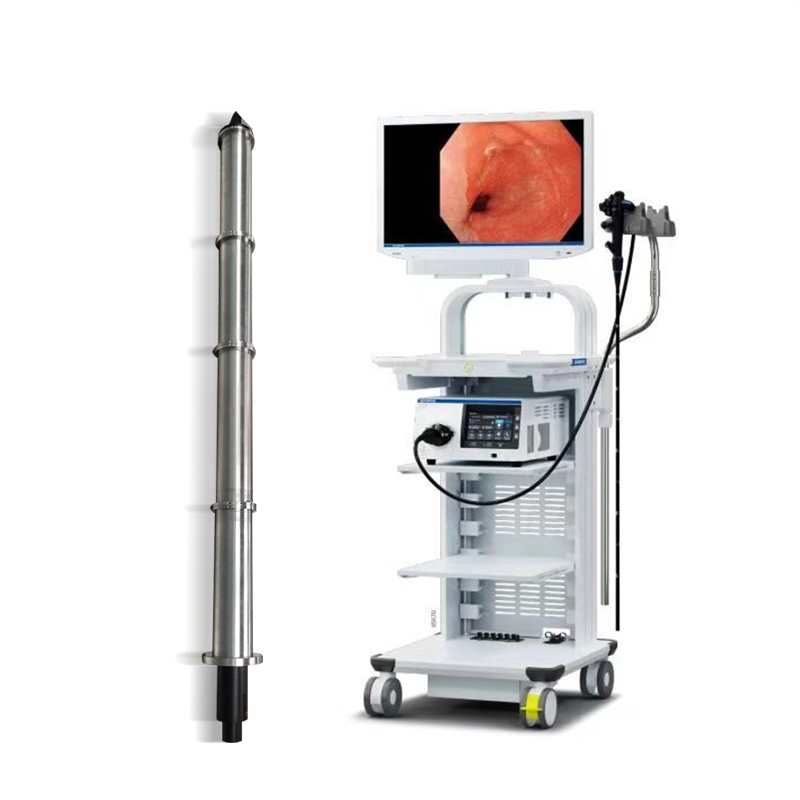
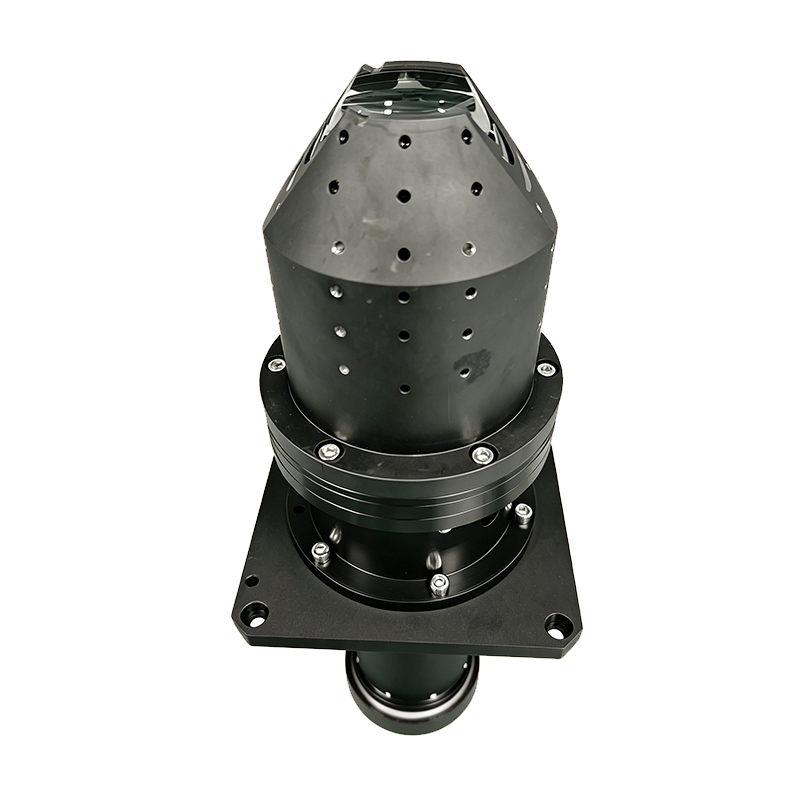
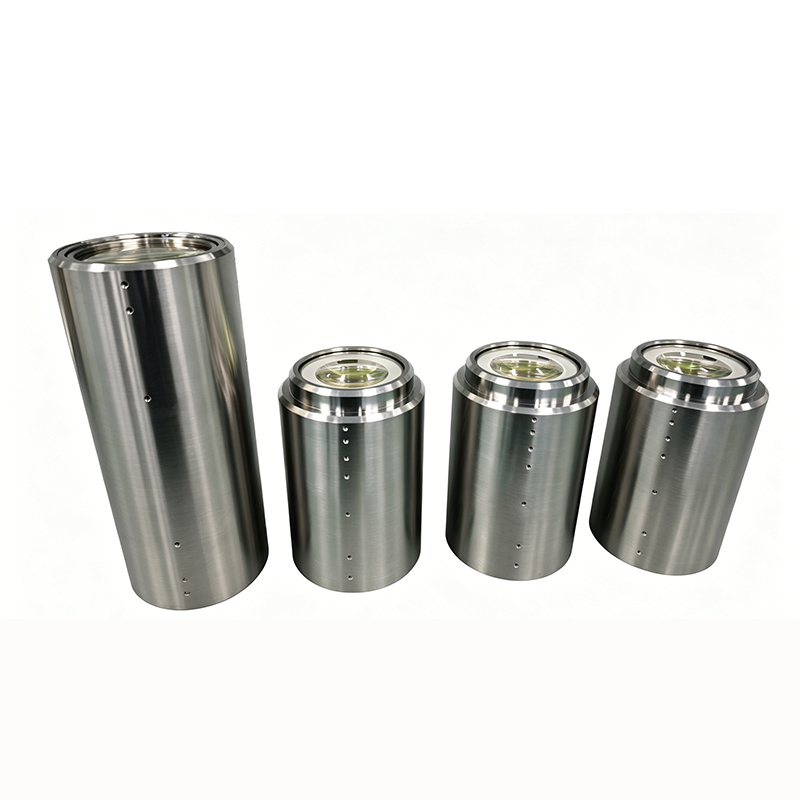
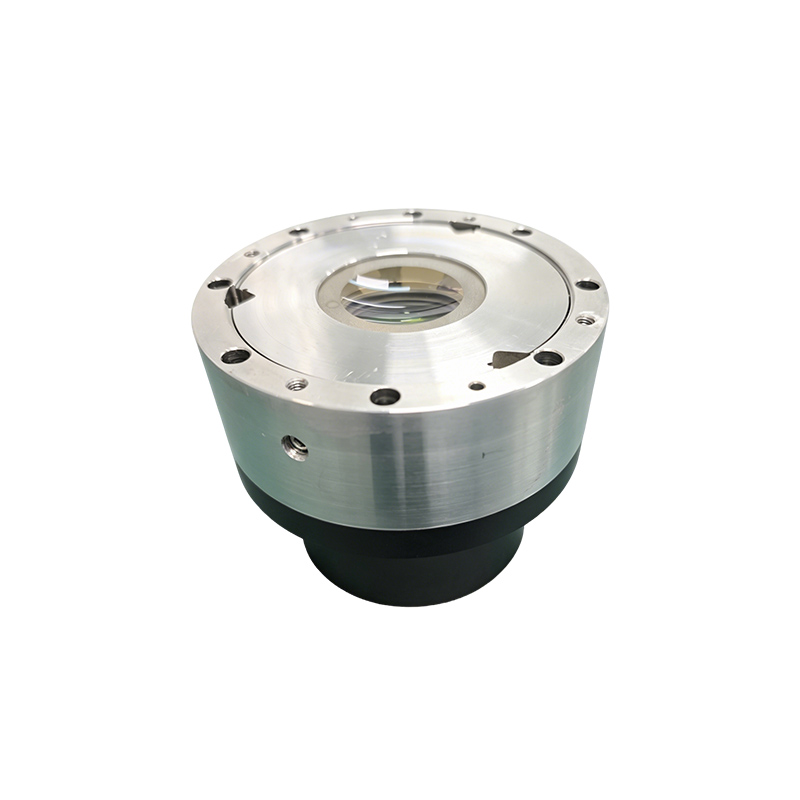
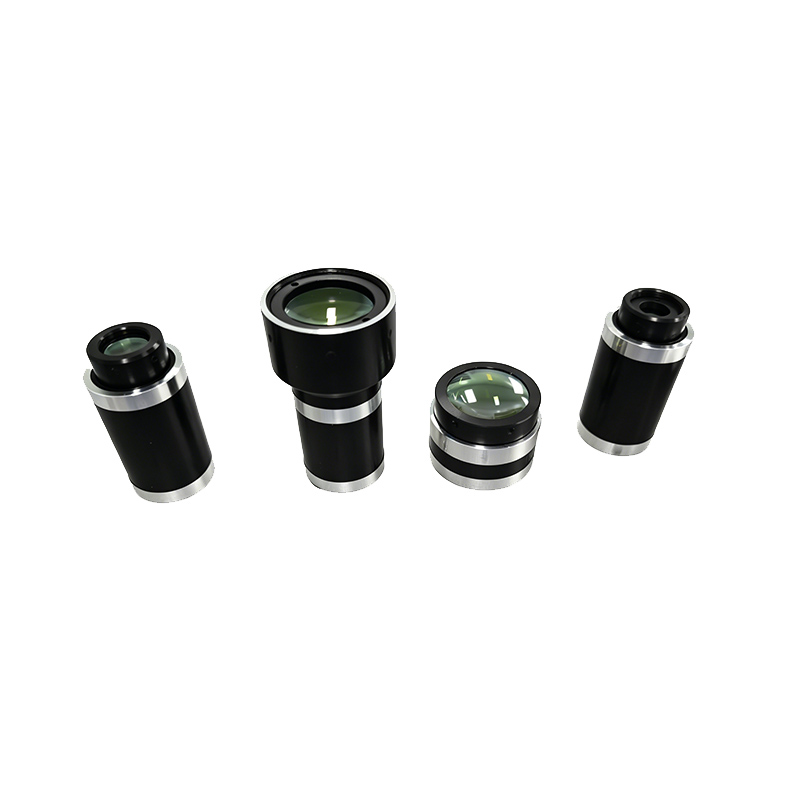
An endoscope is a precision optical device integrating micro-optical imaging, illumination and signal transmission functions. Designed with flexible or rigid probes, it can reach into enclosed and narrow spaces for visual inspection, detection and manipulation. Based on application scenarios, endoscopes fall into two main categories: industrial endoscopes and medical endoscopes, which differ in structural design and functional priorities to suit the core requirements of respective fields.
## (I) Applications of Industrial Endoscopes
Industrial endoscopes are positioned as **nondestructive testing (NDT) tools**, featuring resistance to harsh environments, ultra-fine probes and high stability. They allow inspection inside enclosed spaces without disassembling equipment, enabling defect detection and condition assessment. They are widely used in machinery manufacturing, aerospace, petrochemical, electric power and other industries, with key applications as follows:
**Aerospace**: Inspect for cracks, wear, carbon deposits and other defects in core components such as aero-engine blades, turbines and combustion chambers; detect blockages and corrosion in ducts and pipelines, avoiding cost loss and performance impact caused by engine disassembly, thus ensuring flight safety. Also used for assembly inspection and maintenance troubleshooting of satellite and rocket components.
**Machinery Manufacturing & Automotive**: Inspect processing defects, assembly errors and wear in internal structures such as engine blocks, crankshafts and gearboxes; identify blockages and leaks in pipes and oil circuits. Applied in factory inspection and after-sales repair of automotive parts to improve product qualification rate and maintenance efficiency.
**Petrochemical & Electric Power**: Enter enclosed vessels including oil pipelines, storage tanks and reactors to inspect inner wall corrosion, scaling, cracks and hidden dangers of blockage or leakage. Used for regular inspection of power plant boilers, steam turbines and pipelines to prevent safety accidents caused by equipment failure.
**Other Industrial Scenarios**: Detect foreign objects and faults inside precision instruments and electronic equipment; monitor internal conditions of tunnels, bridges and building pipelines, achieving nondestructive and high-efficiency inspection while reducing operation and maintenance costs.
## (II) Applications of Medical Endoscopes
Medical endoscopes serve as **minimally invasive diagnostic and therapeutic tools**, emphasizing non-invasiveness/minimal invasiveness, high imaging precision and biocompatibility. They can access human cavities for disease diagnosis and minimally invasive treatment, making them indispensable in clinical practice. Widely applied in gastroenterology, respiratory medicine, urology, surgery and other departments, their main applications include:
**Gastroenterology**: Electronic gastroscopes and colonoscopies are core devices. With flexible tubes, they reach the esophagus, stomach and intestines to observe mucosal lesions, collect biopsies for pathological testing, and diagnose conditions such as gastritis, gastric ulcers, intestinal polyps and early-stage cancers. They also support minimally invasive treatments including polypectomy and hemostasis without open surgery.
**Respiratory Medicine**: Bronchoscopes are inserted into the trachea and bronchi to identify lung infections, tumors, foreign bodies and other abnormalities. Biopsies, lavage and other procedures assist in diagnosing pneumonia, lung cancer, bronchiectasis and other diseases, supporting treatment planning.
**Surgery & Urology**: Rigid endoscopes such as laparoscopes and thoracoscopes are used in minimally invasive surgeries of the abdomen, thoracic cavity and urinary system. By inserting endoscopes and surgical instruments through small incisions, procedures including cholecystectomy, hernia repair and kidney stone removal are performed, with advantages of small trauma, fast recovery and fewer complications. Ureteroscopes and cystoscopes are applied for diagnosis and treatment of urinary system diseases.
**Other Medical Scenarios**: Otolaryngology endoscopes detect lesions and deliver minimally invasive treatment in the nasal cavity, throat and ear canal; confocal laser endomicroscopy enables cellular-level observation for accurate diagnosis of early cancers; gynecological endoscopes support screening and minimally invasive treatment of gynecological diseases, improving diagnostic accuracy and safety.