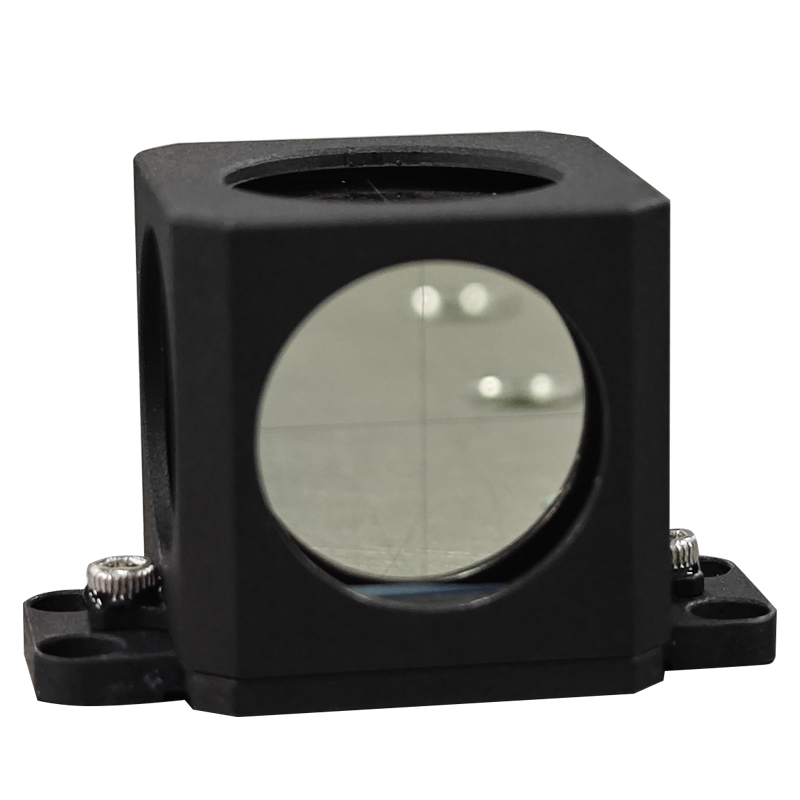
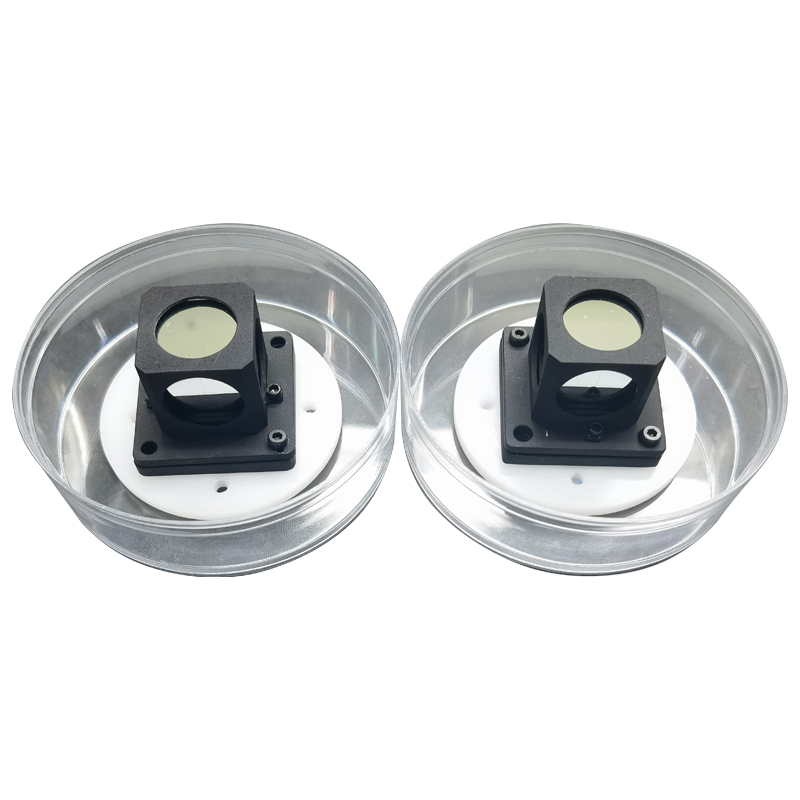
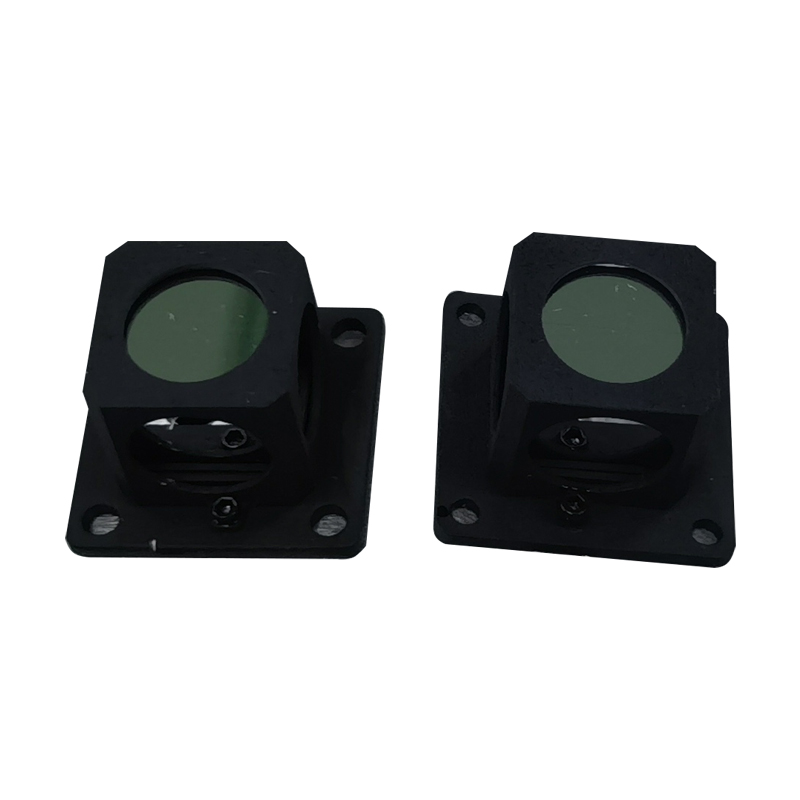
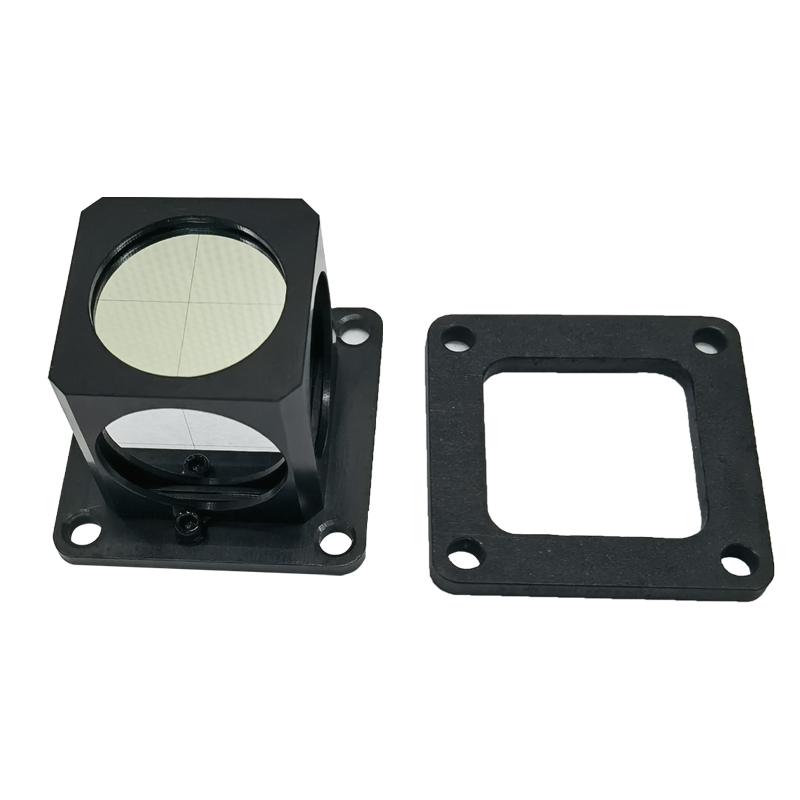
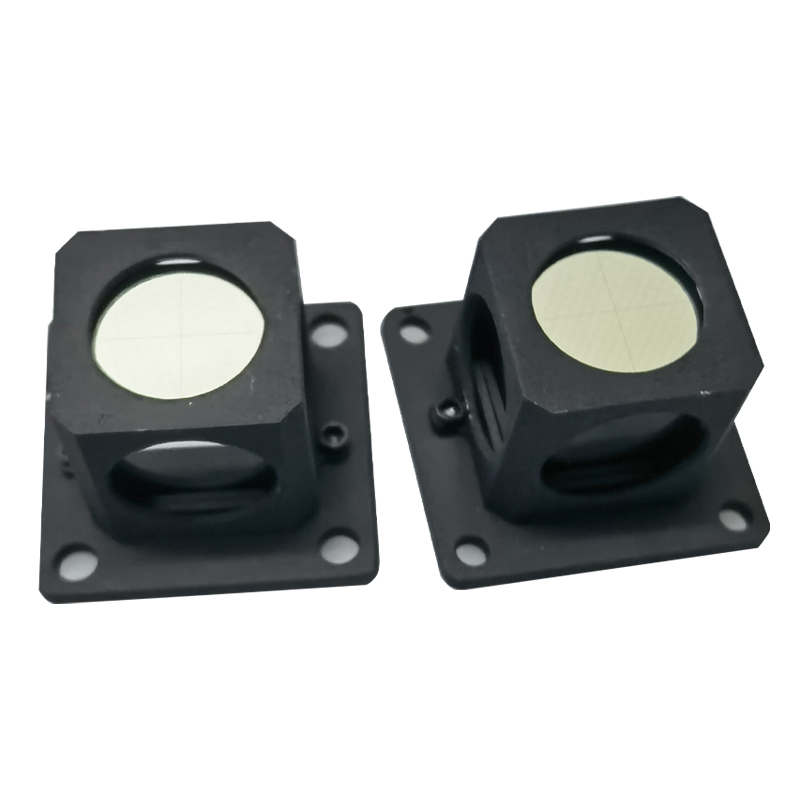
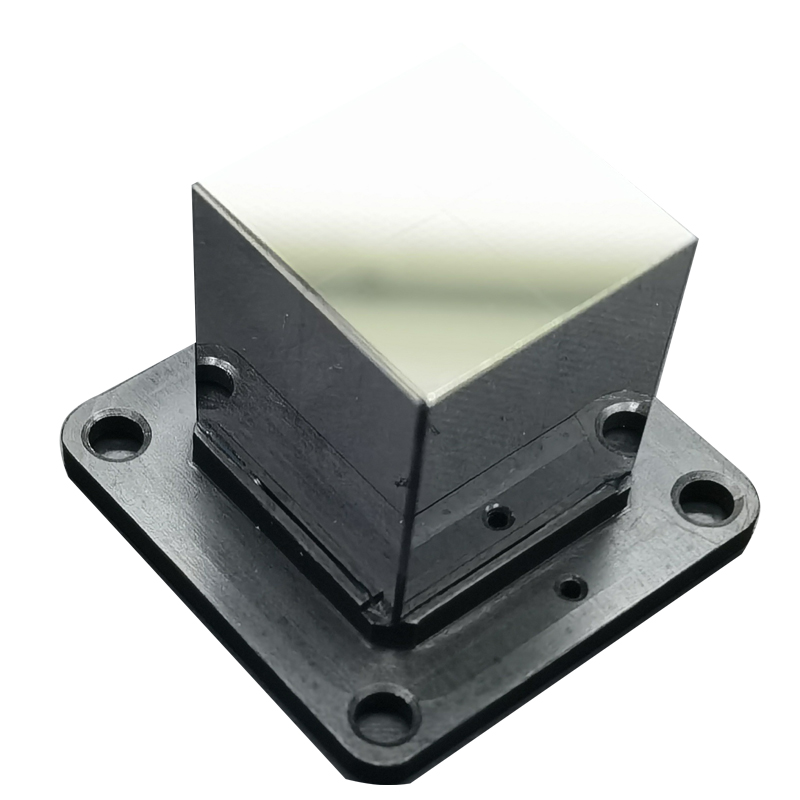
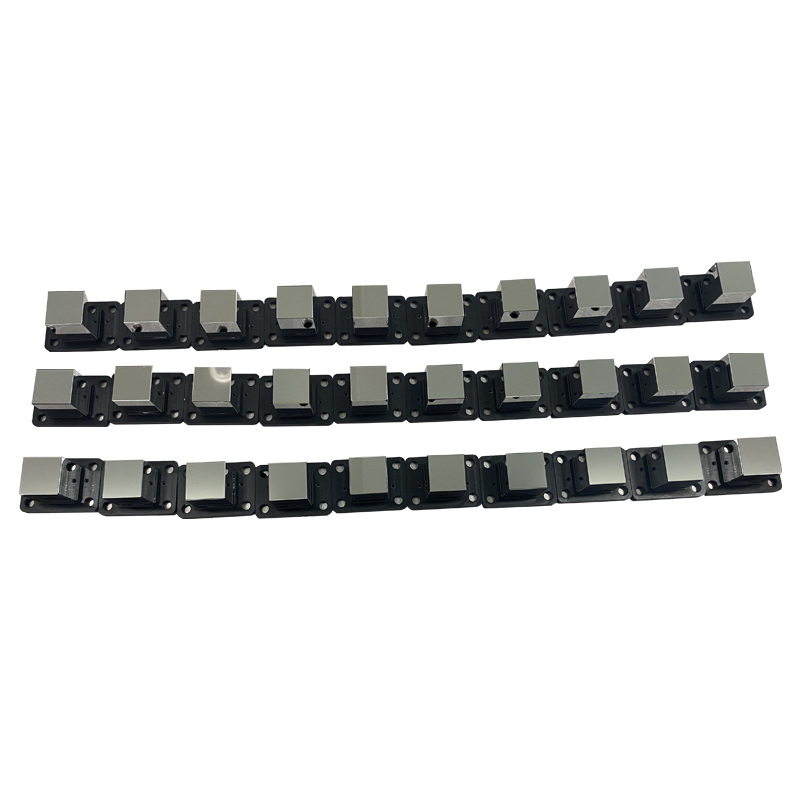
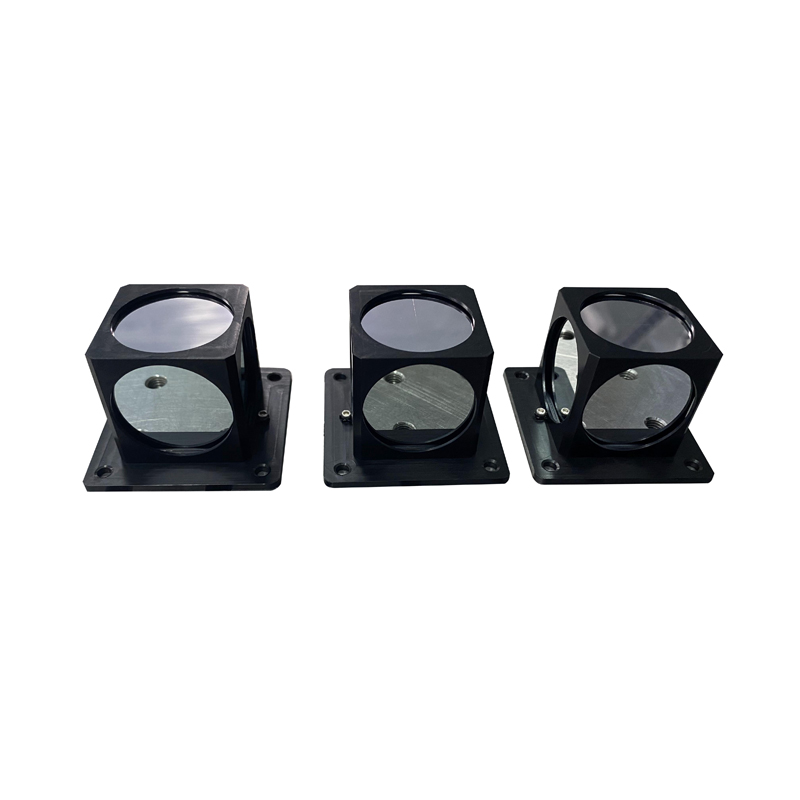
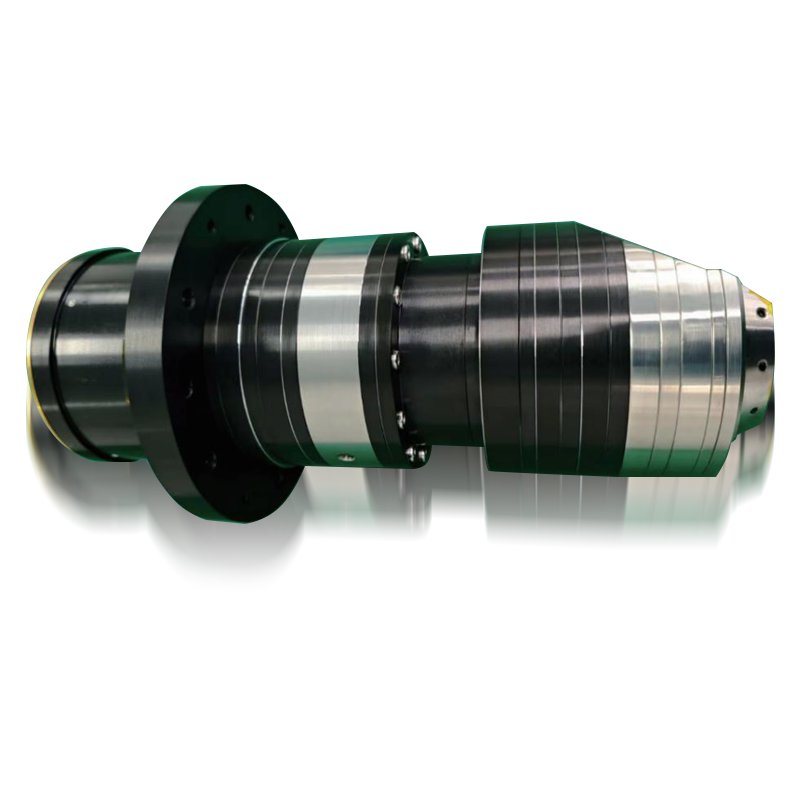
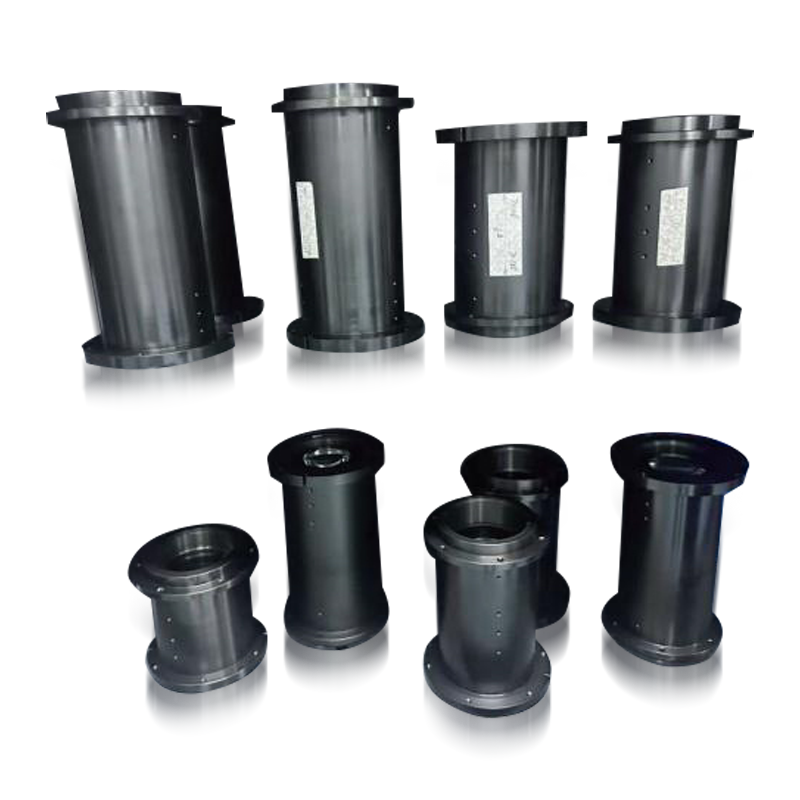
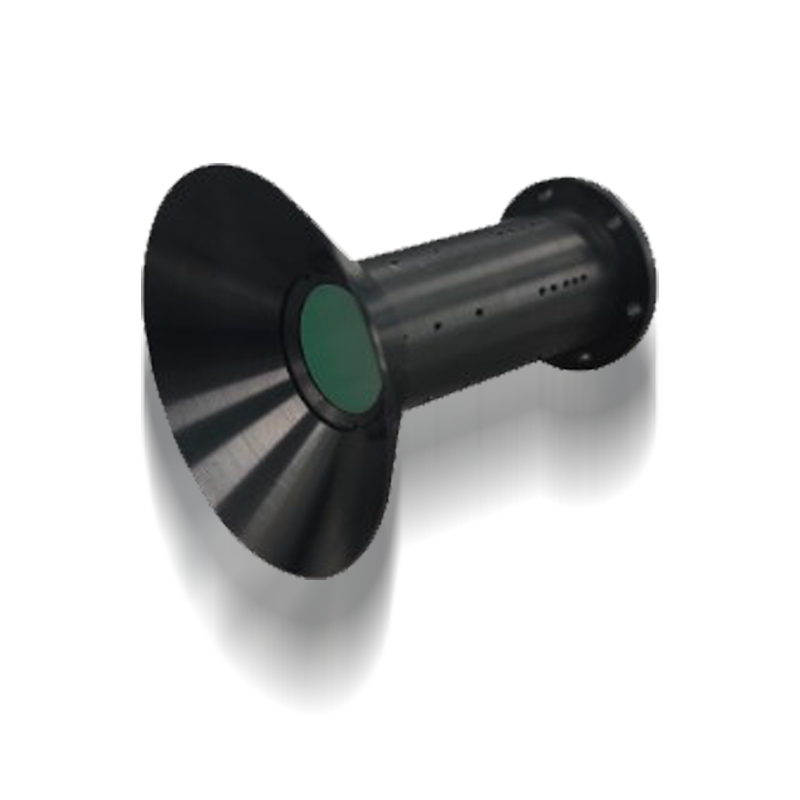
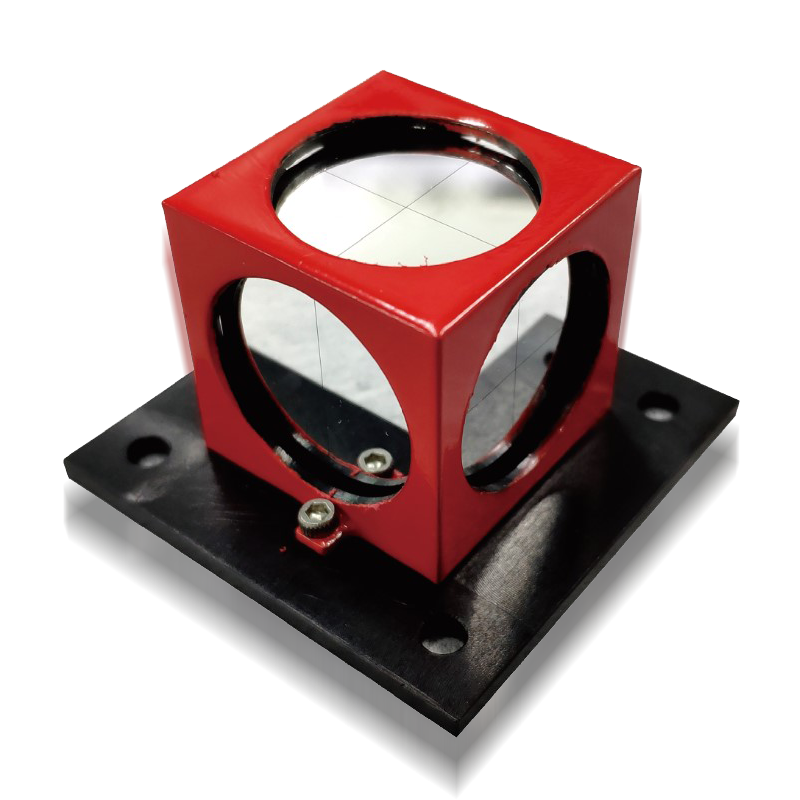
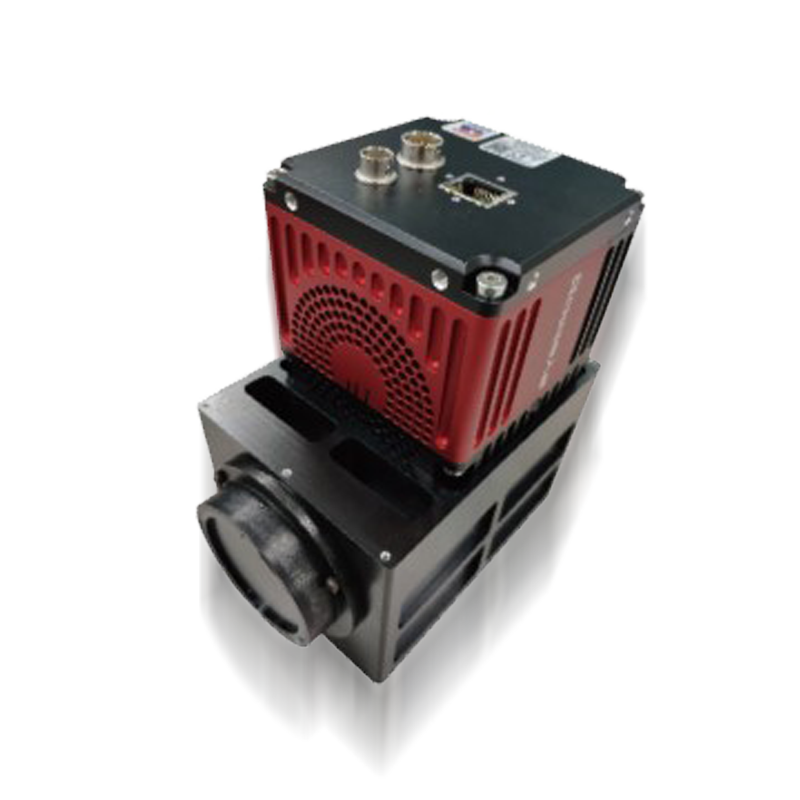
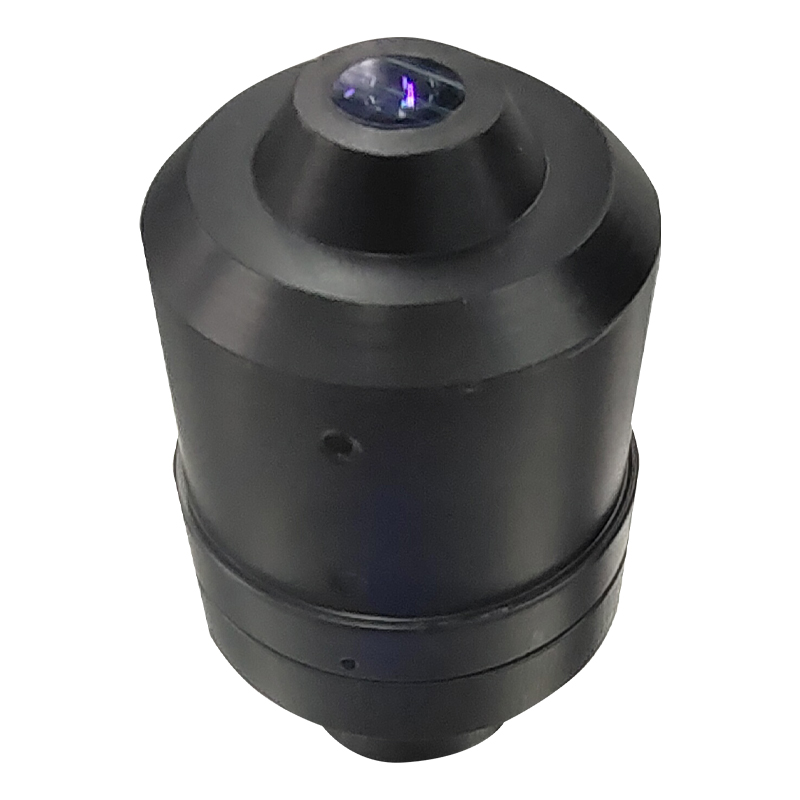
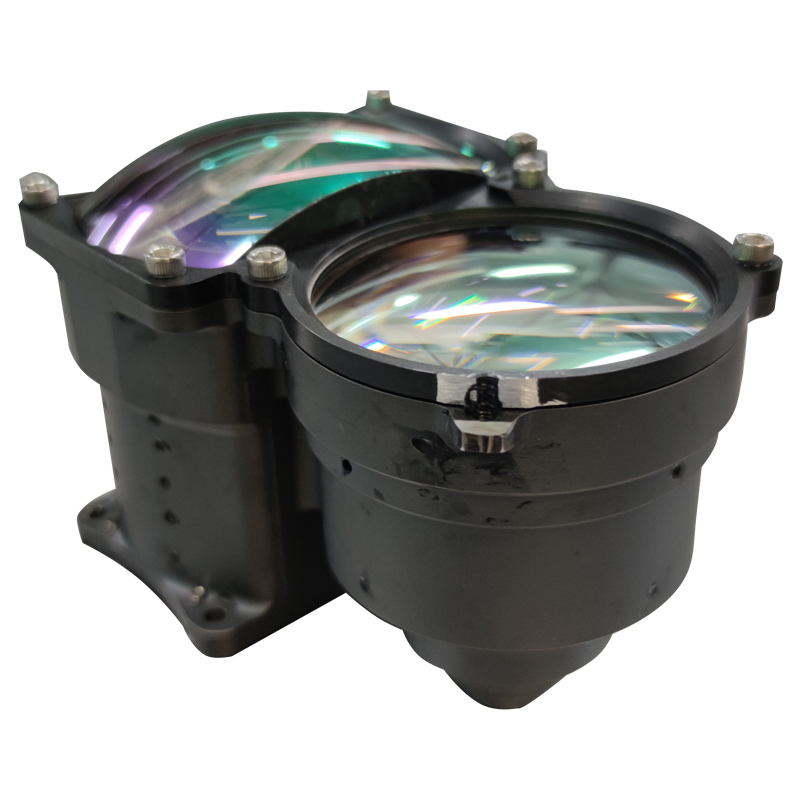
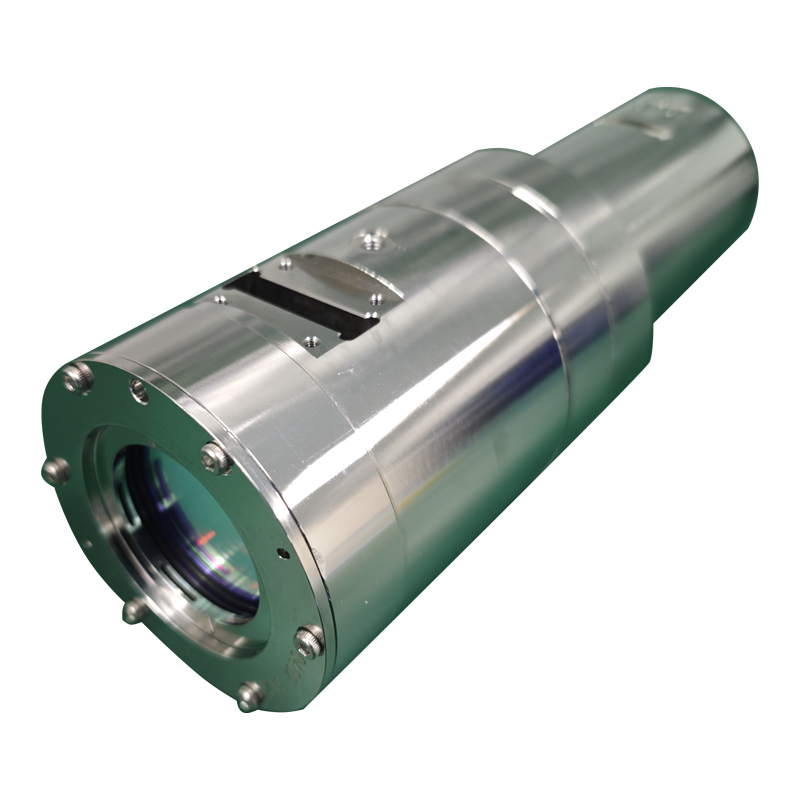
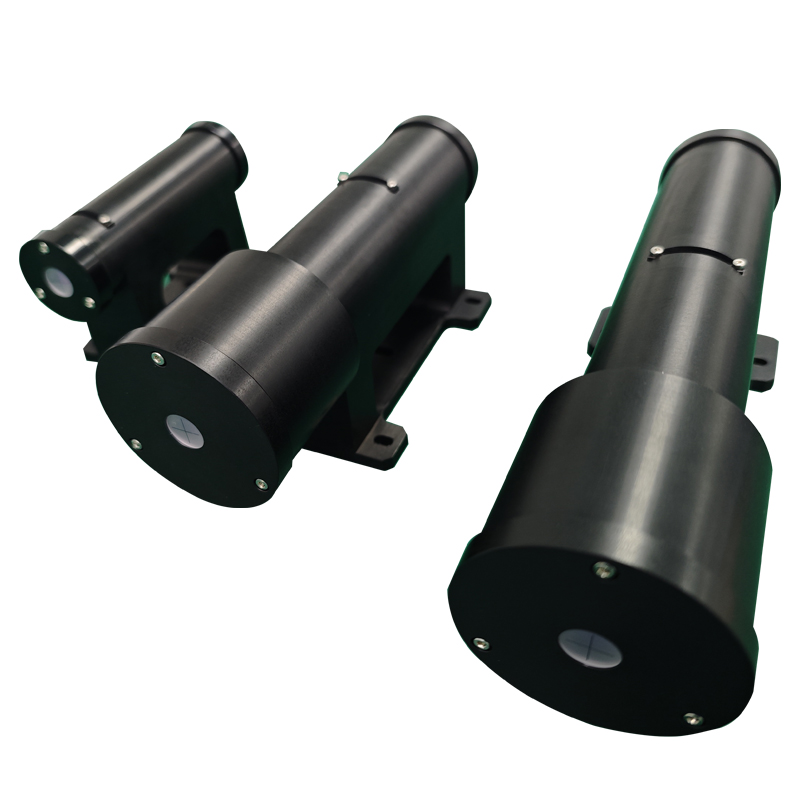
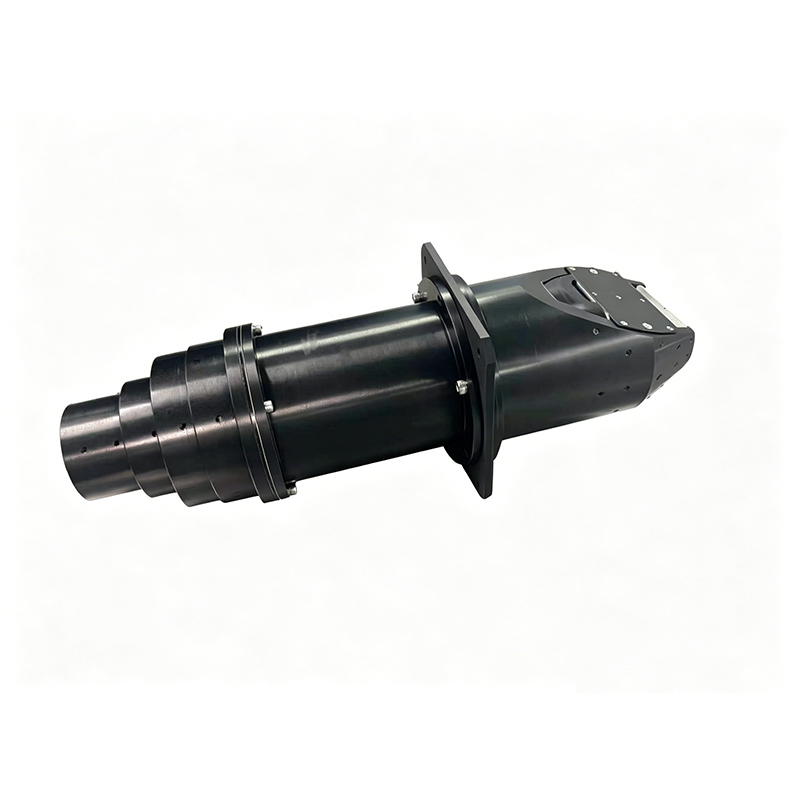
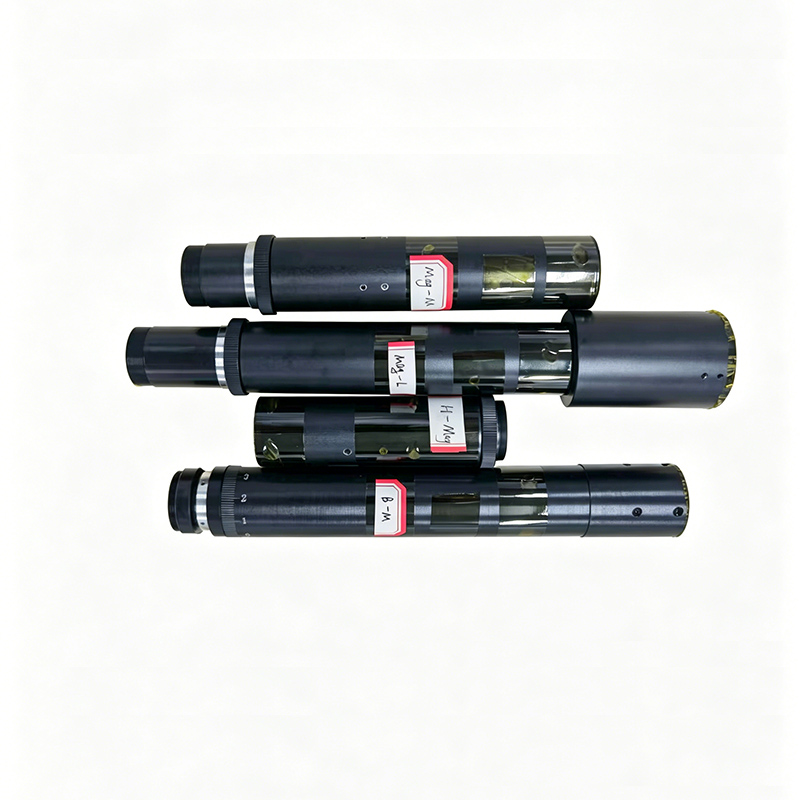
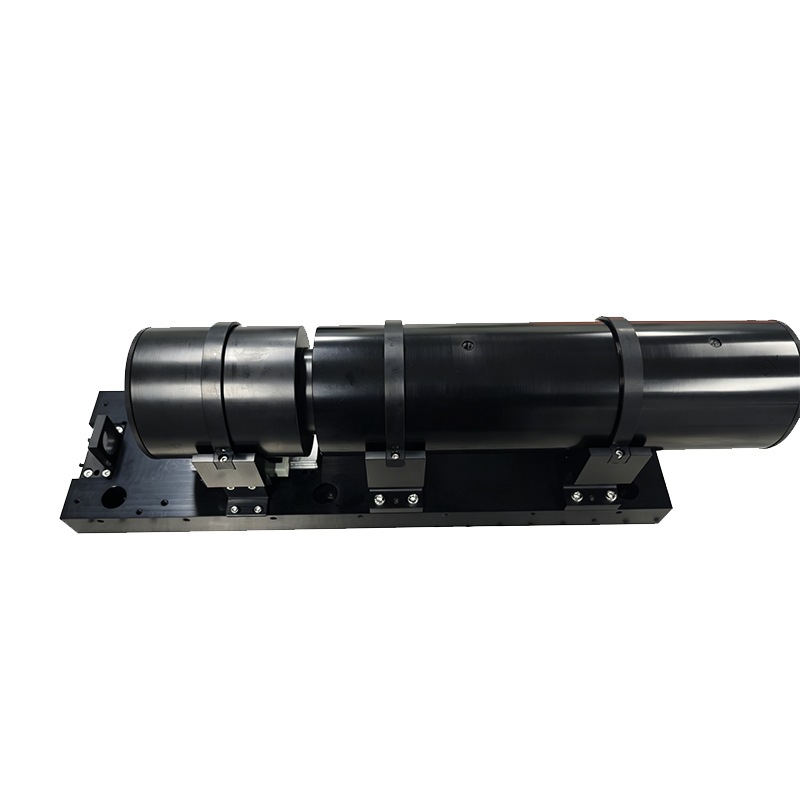
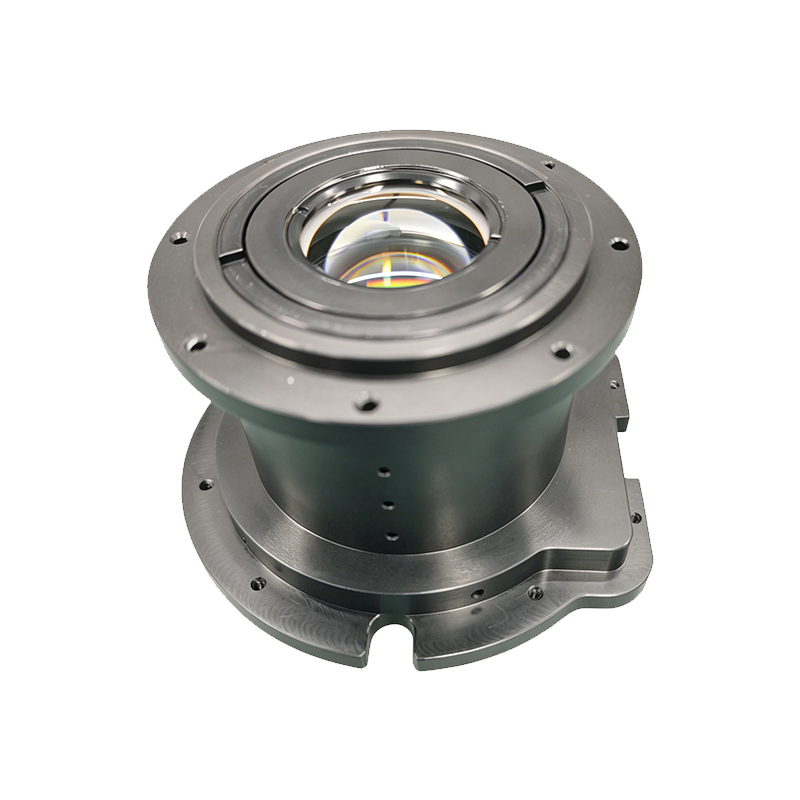
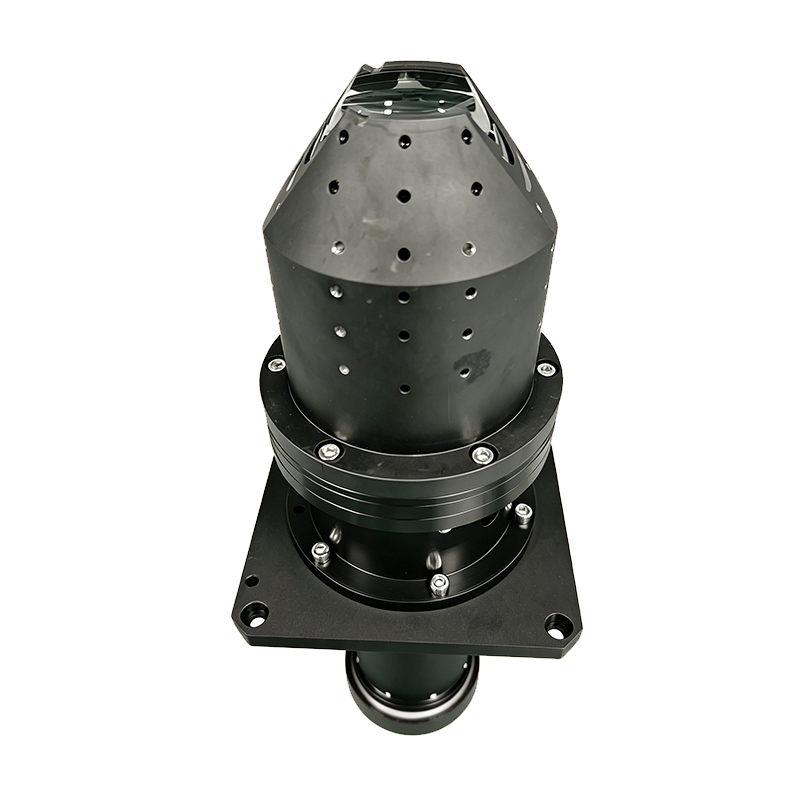
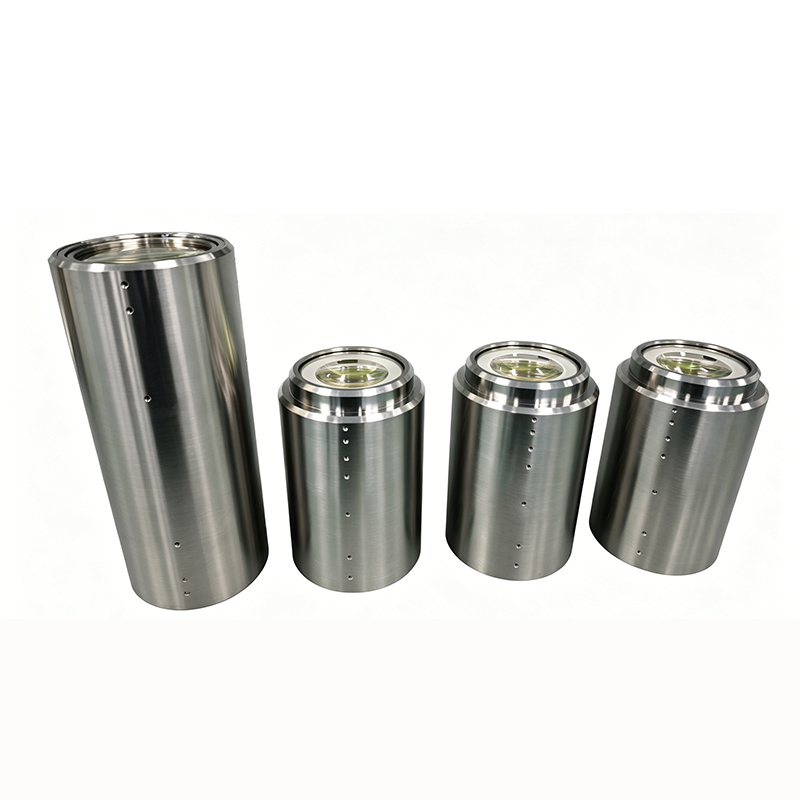
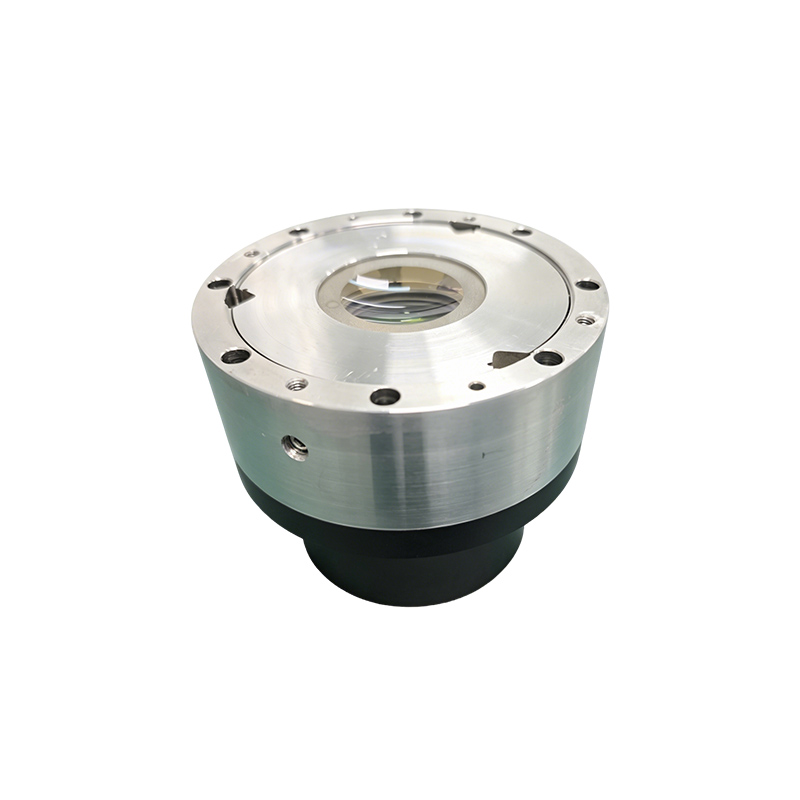
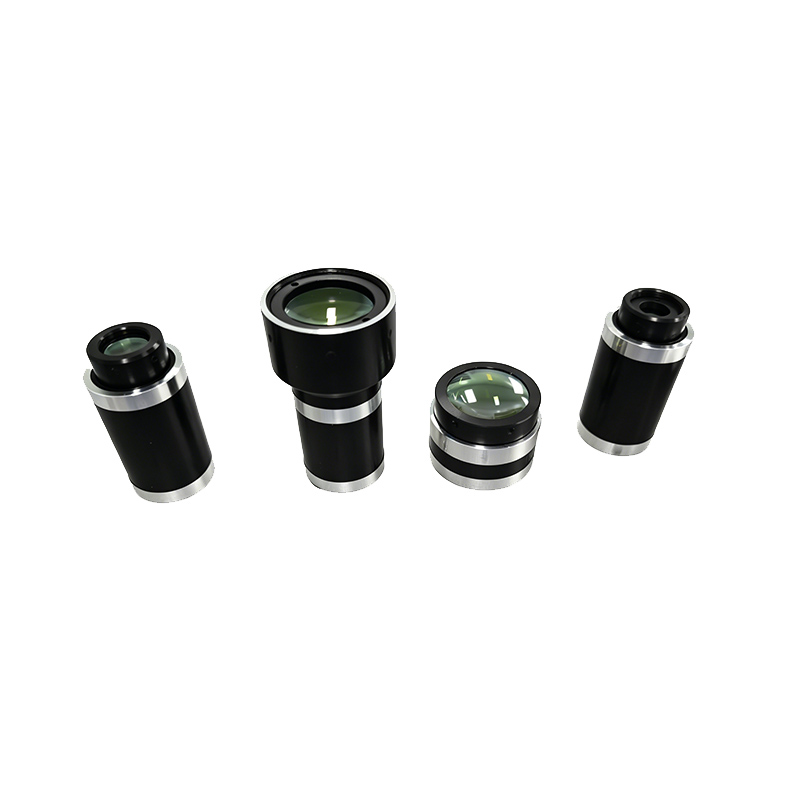
A star sensor lens is the core optical imaging component of a star tracker. Specially designed to provide high-precision stellar imaging for spacecraft, satellites and deep-space probes, it is a space-grade optical system featuring ultra-low distortion, high stability, radiation resistance and low-light detection, known as the "attitude-determining eye" of spacecraft.
I. Core Functions
Collect starlight and form high-quality images on the detector focal plane.
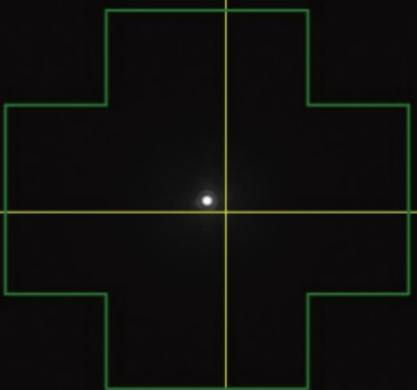
Provide distortion-free, highly stable star centroid coordinates to support attitude calculation.
Suppress stray light, sunlight and Earth albedo interference to enable all-day star observation.
Provide a reference for satellite attitude control, orbit determination and laser communication pointing.
II. Key Technical Characteristics
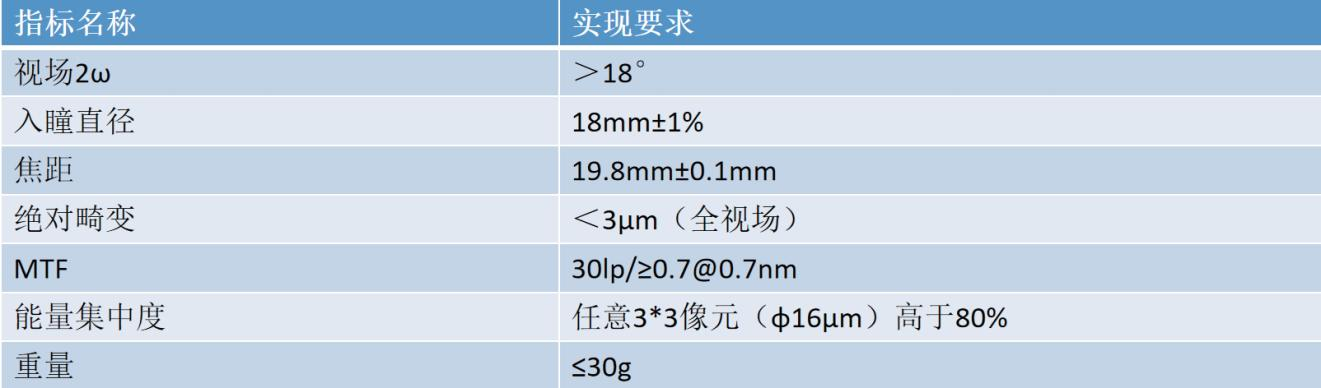
Ultra-low distortion: distortion < 0.01%, ensuring sub-pixel star positioning accuracy.
High transmittance: broadband anti-reflection coating, delivering strong faint star detection capability.
Ultra-low stray light: multi-stage light shielding, internal surface extinction and optimized diaphragms.
High stability: athermal design ensuring consistent imaging across a wide temperature range.
Space-grade reliability: radiation resistance, vibration and shock resistance, and long service life.
Lightweight and compact design: compatible with CubeSats, nano-satellites and micro-satellites.
III. Typical Structure and Design
Mainly transmissive optical system with a combination of multiple spherical and aspherical lenses.
Front-positioned diaphragm with large relative aperture (F/1.2–F/2.8).
Wide field of view (10°–30°), balancing star acquisition speed and attitude determination accuracy.
Space-grade optical glass resistant to space environmental aging.
IV. Application Scenarios
Satellites: attitude determination for communication, remote sensing, navigation and meteorological satellites.
Deep-space exploration: attitude reference for lunar/Mars probes and manned spacecraft.
Commercial aerospace: CubeSats, micro-nano satellites and recoverable launch vehicles.
Aviation/near space: high-altitude UAVs and daytime star observation systems.
V. Core Value
Star sensor lenses directly determine attitude accuracy, star detection sensitivity and environmental adaptability. They are irreplaceable core optical components for high-resolution remote sensing, space laser communication and deep-space exploration missions.